
Why Expensive Houseplants Die First Year: Root Suffocation Mechanics
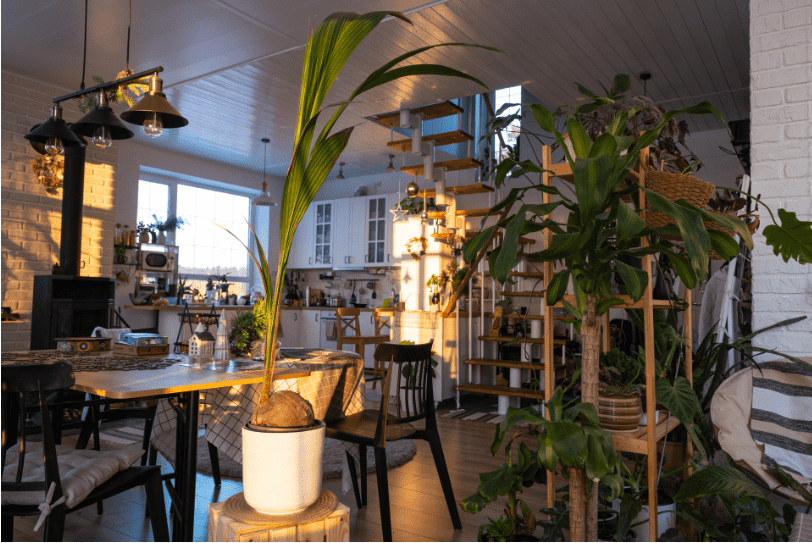
You spent hundreds on that fiddle leaf fig, watered it carefully, and watched it die anyway. The problem isn't neglect—it's suffocation. Here's why expensive houseplants' roots are actually drowning in your "perfect" care routine.
Key Takeaways
- Root suffocation from overwatering kills more expensive houseplants than any other single cause, creating oxygen-free conditions that prevent nutrient absorption
- Poor drainage and heavy soil compounds turn well-meaning care into deadly root traps, especially in pots without drainage holes
- The greenhouse-to-home transition creates acclimation shock that weakens plants during their most vulnerable first month
- Professional-grade hydrogel technology and mycorrhizal fungi can create resilient root systems that resist suffocation damage
- Advanced plant nutrition solutions address the root-level problems that cause expensive plant failures before they become visible symptoms
That stunning fiddle leaf fig or rare monstera you just brought home carries a hidden vulnerability—its roots are about to face conditions they've never encountered. Despite your best intentions and careful investment, expensive houseplants face significant mortality rates in their first year, with root suffocation emerging as the primary killer.
Root Suffocation: The Hidden Killer Behind First-Year Plant Deaths
Root suffocation, scientifically known as anoxia, occurs when plant roots become deprived of oxygen due to waterlogged soil conditions. Unlike the dramatic wilting of an underwatered plant, root suffocation kills silently and systematically. The roots literally drown in soil, unable to absorb water and nutrients despite being surrounded by moisture.
When soil becomes saturated, air pockets that normally contain oxygen get filled with water. Plant roots require oxygen for cellular respiration—the process that generates energy for nutrient uptake and growth. Without adequate oxygen, root cells begin dying within 24-48 hours, starting a cascade of problems that manifest as yellowing leaves, stunted growth, and eventually plant death.
The cruel irony is that root suffocation symptoms often mirror those of underwatering, leading plant parents to add more water to an already drowning root system. HUMKO's advanced plant nutrition systems address this fundamental problem by supporting root health and resilience from the moment of planting, helping prevent the conditions that lead to suffocation.
The Overwatering-Suffocation Cycle That Dooms Premium Plants
Overwatering consistently ranks as the leading cause of houseplant death, even surpassing neglect and underwatering. This statistic becomes particularly painful when applied to expensive plants, where a single mistake can cost hundreds of dollars in lost investment.
How Waterlogged Soil Creates Oxygen-Free Death Zones
Healthy soil contains air spaces between particles that provide oxygen to roots. When this space fills with water, oxygen levels plummet to near zero within hours. Plant roots adapted to terrestrial conditions cannot extract dissolved oxygen from water like aquatic plants—they require gaseous oxygen from air pockets in the soil matrix.
Waterlogged conditions also promote anaerobic bacteria growth, which produces toxic compounds like hydrogen sulfide and organic acids. These byproducts further damage root tissues and create the characteristic foul odor associated with overwatered plants. The root zone transforms from a life-supporting environment into a toxic wasteland.
Why High-Value Plants Face Greater Root Rot Risk
Premium houseplants often originate from specialized greenhouse environments with precisely controlled drainage and moisture levels. These plants develop delicate root systems optimized for perfect conditions, making them particularly vulnerable to the variable watering practices of home cultivation.
Many expensive plants arrive in moisture-retentive substrates designed for greenhouse conditions. While beneficial for consistent hydration in controlled environments, these substrates become death traps when combined with anxious overwatering by concerned plant parents.
The Critical Signs Your Plant Is Suffocating
Early symptoms of root suffocation include yellowing of lower leaves, despite wet soil conditions. Unlike nutrient deficiencies that affect older leaves first, suffocation-induced yellowing often appears randomly across the plant. Leaves may also develop a dull, lifeless appearance and feel slightly soft or mushy.
Advanced symptoms include wilting despite moist soil, stunted growth, leaf drop, and a musty or sour odor emanating from the soil surface. Black or brown mushy roots visible at drainage holes indicate severe root rot—often too late for recovery.
Poor Drainage: When Well-Meaning Care Turns Deadly
Drainage problems create the perfect storm for root suffocation, turning caring plant parents into unwitting executioners of their prized specimens.
Pots Without Drainage Holes Create Silent Killers
Decorative pots without drainage holes are beautiful death traps for expensive plants. Water accumulates at the bottom, creating a reservoir that slowly saturates the entire root zone from below. Even careful watering cannot prevent this deadly accumulation, as gravity inevitably pulls moisture downward.
The "pebble layer" myth—adding rocks or gravel to the bottom of non-draining containers—actually worsens the problem by creating a perched water table that keeps the soil above constantly saturated. This false solution has killed countless expensive plants despite good intentions.
Heavy Soil Compounds Become Root Suffocation Traps
Dense, clay-heavy potting mixes or garden soil used indoors create impermeable barriers around roots. These heavy substrates drain slowly and compact over time, eliminating air pockets. Water moves through heavy soil like molasses, creating persistently wet conditions that suffocate even drought-tolerant plants.
Well-draining soil mixes containing perlite, bark chips, or pumice maintain air spaces even when moist. These amendments create a sponge-like structure that holds appropriate moisture while allowing excess water to escape and air to circulate around root surfaces.
The Acclimation Shock That Triggers Root Failure
The transition from greenhouse to home represents the most dangerous period in an expensive plant's life, when root systems are most vulnerable to suffocation damage.
Greenhouse-to-Home Transition Stress
Professional greenhouses maintain precise environmental controls: optimal humidity, consistent temperatures, perfect light conditions, and expert watering schedules. Plants develop root systems adapted to these ideal conditions, with fine feeder roots optimized for steady moisture and nutrition.
Home environments present dramatic changes: fluctuating temperatures, varying humidity, different light quality, and irregular watering patterns. This environmental shock weakens plants' natural defenses, making them more susceptible to root problems that would normally be manageable.
Critical First-Month Watering Decisions for Plant Survival
The first 30 days determine whether an expensive plant thrives or begins its decline toward death. During this acclimation period, plants cannot tolerate the same watering frequency they received in greenhouse conditions. Their stressed root systems process water more slowly, making them prone to suffocation from well-meaning over-care.
Successful acclimation requires reducing watering frequency by 30-50% compared to nursery recommendations, while monitoring soil moisture levels daily. Plants may show some leaf drop during this period—a normal stress response that shouldn't trigger increased watering.
Advanced Plant Nutrition Supports Root Health and Resilience Against Suffocation
Modern horticultural technology offers solutions that address root health proactively, creating conditions that prevent suffocation problems before they begin.
How Professional-Grade Hydrogel Technology Works
Hydrogel polymers absorb excess water during heavy watering while releasing it slowly as soil dries, creating a moisture buffer that prevents both drought stress and waterlogging. These super-absorbent crystals can hold 100 times their weight in water, acting as microscopic reservoirs throughout the root zone.
Advanced hydrogel formulations can store dissolved nutrients and release them gradually to plant roots. This prevents nutrient leaching while ensuring consistent feeding, reducing the need for frequent fertilization that can stress sensitive root systems.
Mycorrhizal Fungi: Nature's Root Enhancement System
Mycorrhizal fungi form symbiotic relationships with plant roots, significantly extending the effective root system's reach. These beneficial fungi create networks of microscopic threads (hyphae) that access water and nutrients in soil pores too small for plant roots to penetrate.
More importantly for suffocation prevention, mycorrhizal fungi improve soil structure by producing sticky compounds that bind soil particles into stable aggregates. This biological soil improvement creates better drainage and aeration around roots, reducing suffocation risk even in challenging growing conditions.
The fungi also provide biological protection against root pathogens that proliferate in waterlogged conditions, offering an additional layer of defense during the vulnerable acclimation period.
Protect Your Investment With Root-Health-Promoting Plant Nutrition Technology
Prevention remains the most effective strategy for protecting expensive houseplants from first-year mortality. Rather than reacting to problems after they develop, proactive root health management addresses the underlying conditions that cause suffocation and other root-related failures.
Professional-grade plant nutrition systems combine multiple technologies—slow-release fertilizers, hydrogel water management, mycorrhizal inoculants, and soil structure improvers—in convenient applications that work for months without repeated intervention. This approach eliminates the guesswork and reduces the risk of well-meaning mistakes that kill expensive plants.
The investment in advanced plant nutrition technology pays for itself by preventing the loss of even a single premium plant, while supporting robust growth that transforms your collection from surviving to thriving.
For plant parents serious about protecting their investments and creating thriving indoor gardens, HUMKO offers professional-grade plant nutrition solutions designed to prevent root suffocation and support long-term plant health from the moment of planting.

The Humko Plant Health Expert Team is a group of horticultural scientists, soil biologists, and professional gardeners based in Bled, Slovenia. With roots going back to 1985, our team brings together nearly four decades of hands-on research in mycorrhizal biology, humic acid chemistry, substrate science, and professional plant nutrition.
We've worked on over 1,000 projects — from Dutch-style commercial greenhouses and golf courses to vertical green walls, ornamental gardens, and urban rooftop installations. Our formulas have been field-tested in the most demanding growing environments on earth before we ever offered them to home gardeners.
Everything we publish is grounded in real science and real growing experience. We don't repeat what's already on the bag — we explain why plants behave the way they do, and what actually makes a difference in the soil. Our goal is simple: help you grow plants that don't just survive, but thrive — with less guessing and less anxiety.
Based in Slovenia | EU-certified products | 40 years of professional horticulture