
By Humko Plant Health Expert Team - May 16, 2026
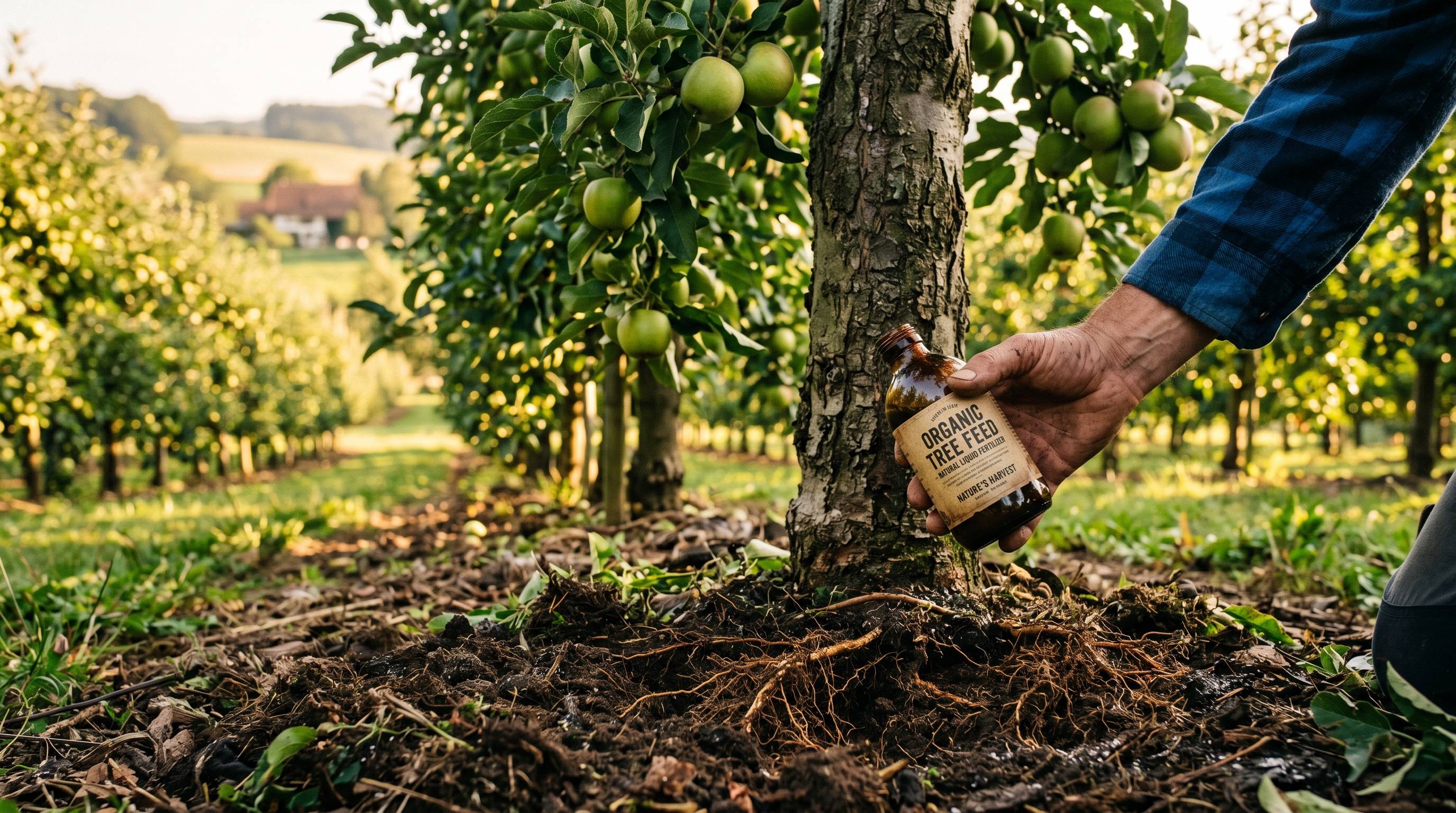
If you're growing fruit trees in alkaline soil, you've probably noticed yellowing leaves and disappointing yields—no matter how much fertiliser you apply. The problem isn't what you're feeding your trees; it's that they can't access the nutrients already locked in your soil.Key TakeawaysLiquid humic acid improves nutrient availability in calcareous soils by chelating essential micronutrients like iron, zinc, and manganese that become locked up in alkaline conditionsVermicompost-derived humic acids offer superior molecular structure compared to leonardite extracts, providing enhanced biological activity for fruit treesProfessional applications show yield increases in fruit crops, with improved water retention reducing irrigation needs under stress ...
By Humko Plant Health Expert Team - May 14, 2026
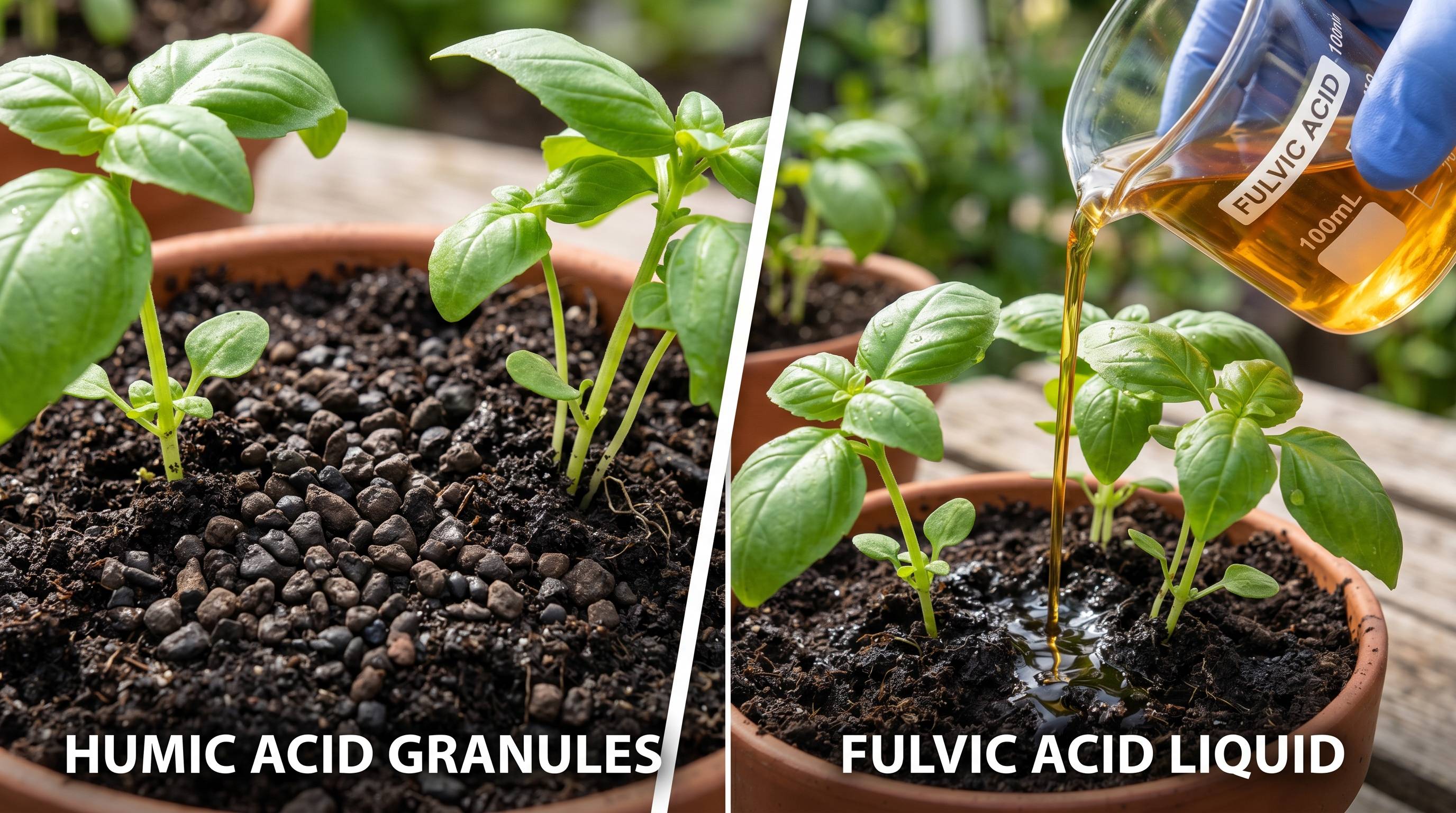
Key TakeawaysSoil applications work best with a 3:1 humic to fulvic acid ratio, whilst foliar sprays perform optimally with a 1:2 ratioHumic acids excel at building soil structure and water retention, while fulvic acids penetrate plant tissue directly for rapid nutrient deliveryMolecular size determines application method: large humic molecules improve soil; small fulvic molecules cross plant membranesCombining both substances increases fertiliser efficiency by 20-50%, particularly for trace minerals and macronutrientsProfessional-grade products deliver consistent results through controlled extraction and standardised concentrationsUnderstanding the science behind humic and fulvic acid applications transforms how gardeners approach plant nutrition. These natural soil conditioners work differently ...
By Humko Plant Health Expert Team - May 11, 2026
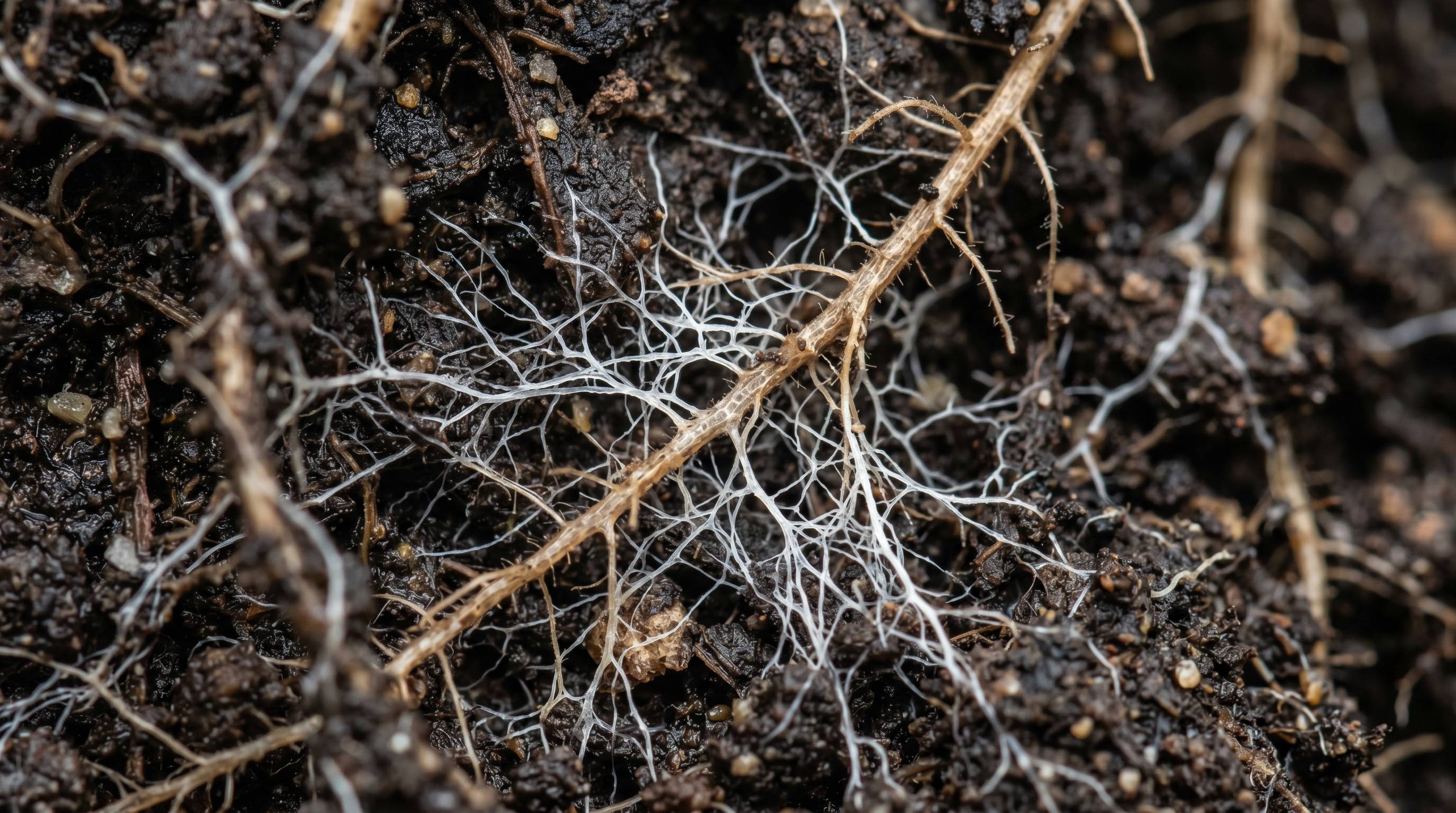
If you added your fruit trees to the ground before learning about mycorrhizal fungi, you're not alone—and you're not too late. But success depends on choosing the right fungal species and applying them at precise times most gardeners miss.Key TakeawaysMycorrhizal fungi can be successfully applied to established apple, citrus, and stone fruit trees after planting through soil drench or subsurface injection methodsApple, citrus, and stone fruit trees exclusively form partnerships with arbuscular (endomycorrhizal) fungi—not ectomycorrhizal types commonly sold for conifersMulti-species mycorrhizal inoculants consistently outperform single-species products, with citrus trees showing the strongest response in field trialsOrganic and low-phosphorus soil conditions ...
By Humko Plant Health Expert Team - April 22, 2026
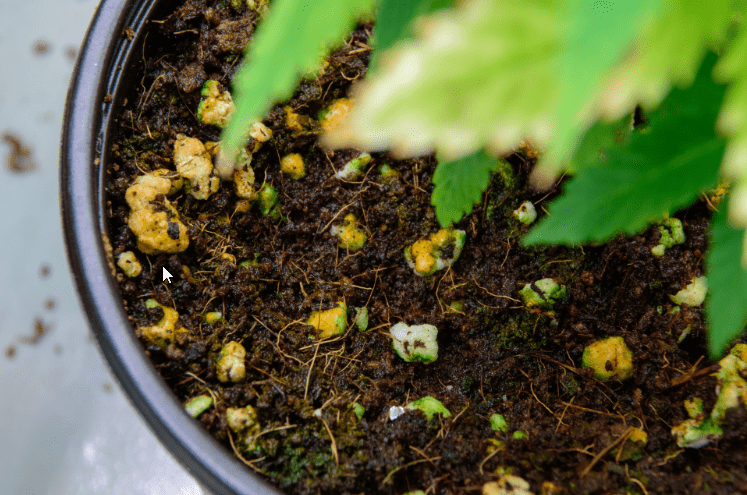
You probably think all water-retention crystals work the same way, but choosing the wrong one could waste money—or worse, harm your plants. The absorption capacity difference between consumer and professional-grade polymers is shocking, and application mistakes are surprisingly common.Key TakeawaysSuperabsorbent polymers can hold 100-1,500 times their weight in water, dramatically reducing watering needs by 40-50% in garden applicationsMiracle-Gro's water-storing crystals work well in containers and hanging baskets for single-season use, while TerraSorb provides superior long-term soil conditioning for 3-5 yearsTerraSorb increases tomato biomass under drought conditions and offers better performance in sandy soils, making it ideal for permanent plantingsProper application ...
By Humko Plant Health Expert Team - April 7, 2026
Choosing between Jobe's and Scotts fertilizers isn't just about brand preference—you're actually selecting between two completely different nutrient delivery systems. One relies on living soil organisms, while the other uses engineered polymer coatings, and understanding this difference could transform your gardening results.Key TakeawaysJobe's uses microbial release technology that depends on soil organisms to break down organic matter, while Scotts Osmocote relies on polymer-coated prills that release nutrients through temperature-controlled osmosis.Polymer-coated fertilizers offer 3-18 month precision feeding with predictable release rates, compared to Jobe's 2-3 month biological cycles that vary with soil conditions.Microbial fertilizers build soil health through beneficial microorganisms and organic matter, while ...
By Humko Plant Health Expert Team - April 4, 2026
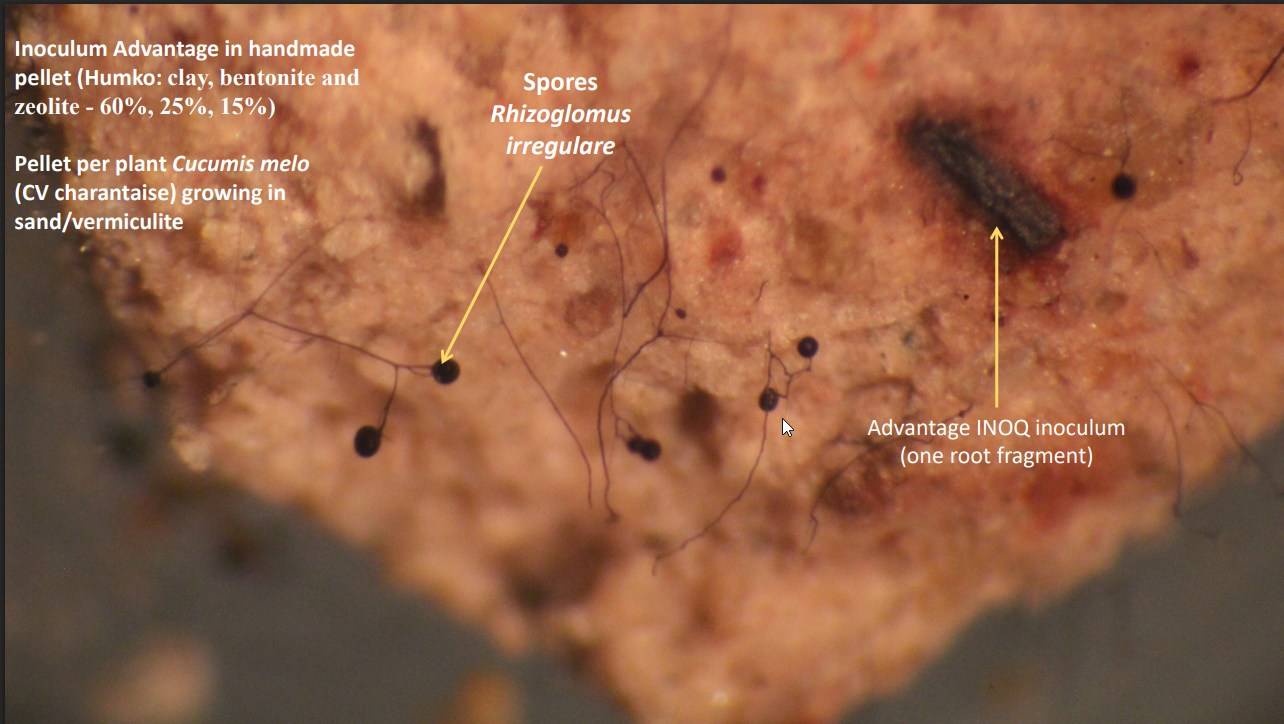
You've probably wasted money on mycorrhizal products that barely work. The difference between brands isn't just price—it's a shocking thousand-fold variation in actual fungal density. Some premium products contain 16,000+ propagules per gram, while popular alternatives deliver less than 100.Key TakeawaysPlant Success offers ultra-high propagule densities, with up to 1.6 million propagules per gram in its Soluble formulaEspoma's Myco-tone shows significantly lower concentrations at just 0.072 endomycorrhizal propagules per cubic centimeterHUMKO positions itself as a European alternative with local Slovenian production and claims 3x industry standard densityPropagule density determines colonization success, with research showing optimal ranges of 5-6 spores per ...
By Primoz (Mor art d.o.o. - SI93604777) Pintar - April 2, 2026
Are you still fertilizing your orchard every few weeks? Commercial growers are slashing labor costs by up to 60% with temperature-activated polymer coatings that feed trees for an entire season—while actually improving yields and protecting groundwater.Key TakeawaysPolymer-coated fertilizers provide 6-12 months of controlled nutrient release, reducing application frequency from multiple times per season to just once or twice annuallyTemperature-activated coating technology prevents nutrient 'sugar rush' growth while maintaining consistent feeding throughout varying weather conditionsCommercial orchards using controlled-release systems significantly reduce labour costs while maintaining or improving yields compared to traditional fertilisation programmesSandy soils and high-rainfall areas benefit most from polymer ...
By Humko Plant Health Expert Team - March 31, 2026
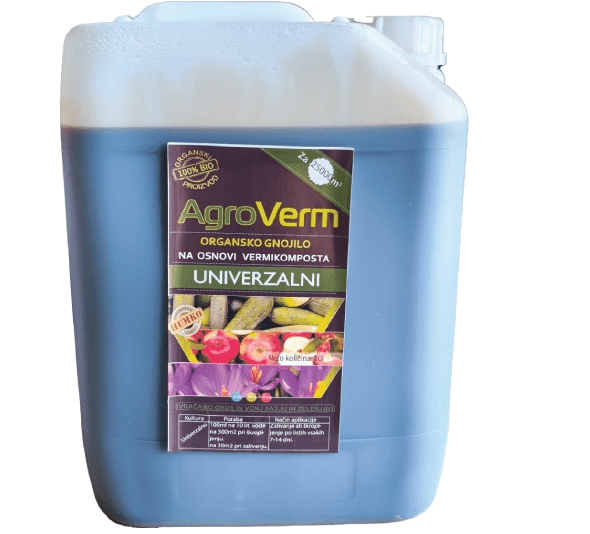
If you're a professional grower using liquid humic fertilizers, you might be wasting money on products with inflated claims. Here's what lab tests actually reveal about humic acid content—and why the source material matters more than the percentage on the label.Key TakeawaysThe HPTA Test Method provides a widely recognized and adopted standard for verifying humic and fulvic acid content in fertilizers, with its method accepted by U.S. state fertilizer regulators, AAPFCO, and the International Organization for Standardization (ISO)Source material dramatically impacts performance: vermicompost-derived humic acids offer superior bioactivity with distinct molecular characteristics compared to traditional leonardite extractionspH compatibility testing prevents ...
By Humko Plant Health Expert Team - March 30, 2026
European regulations are quietly pushing synthetic water retention gels toward extinction, with biodegradable alternatives already showing 25% water efficiency gains in Mediterranean vineyards. Here's what the EU's 2028 environmental standards could mean for your growing operation.Key Takeaways:The European Chemicals Agency is evaluating microplastic risks from synthetic water retention gels, creating regulatory pressure for biodegradable alternativesCurrent EU policies, including REACH and the Circular Economy Action Plan, are indirectly driving manufacturers towards bio-based formulationsItalian vineyard trials demonstrate that biodegradable hydrogels can achieve 25% water efficiency gains while reducing environmental impactNext-generation hydrogels targeting controlled nutrient release show promise for meeting stricter environmental standards ...
By Tomaz Cufer - March 26, 2026
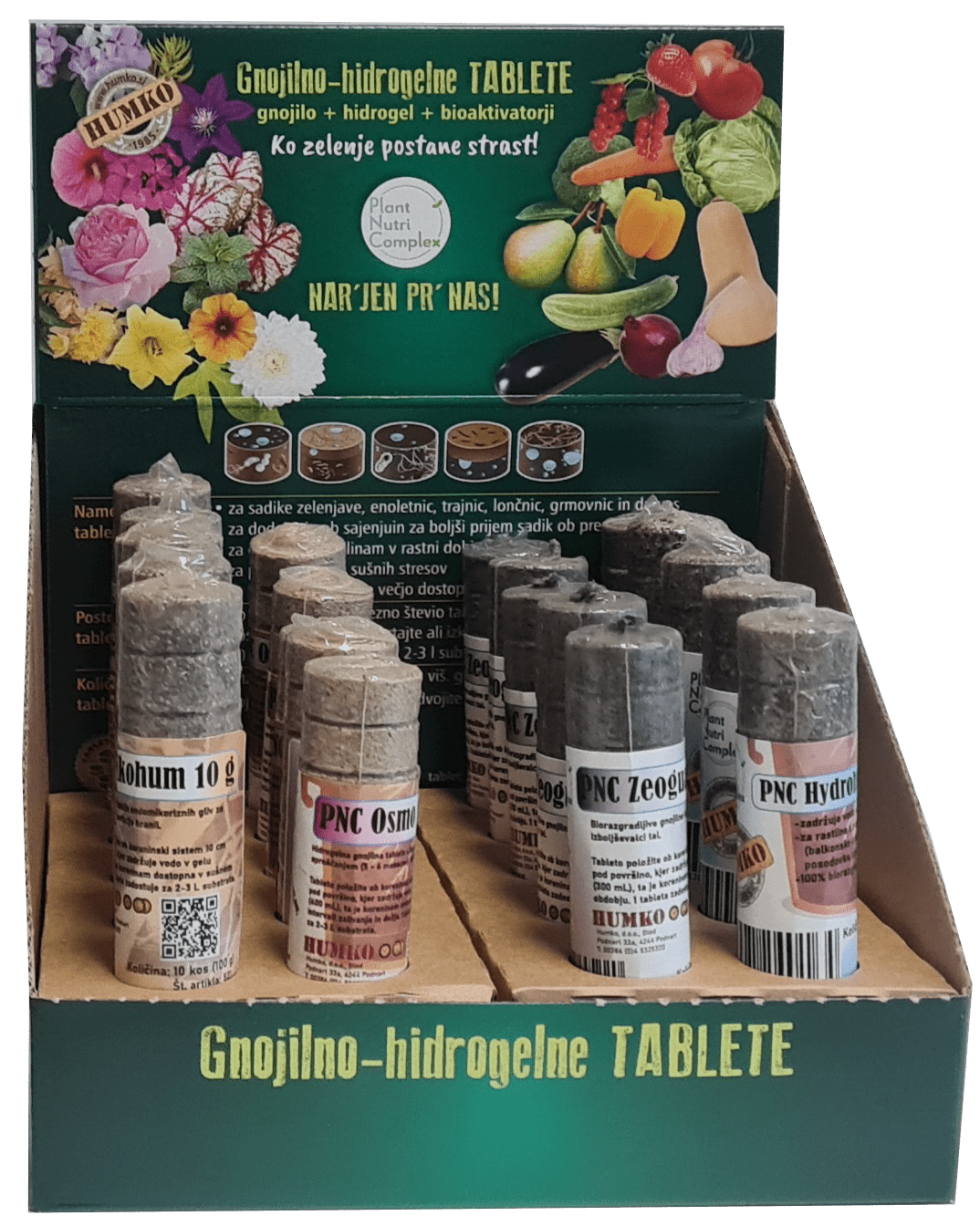
Most gardeners waste money on fertilizers that wash away after the first rain. Professional-grade slow-release tablets can cut fertilizer use by 30% while feeding plants for up to two years—but choosing the wrong type for your specific plants could be a costly mistake.Key Takeaways:Controlled-release fertilizer tablets improve nutrient use efficiency by 20-30% while reducing fertilizer requirements and lasting 6 months to 2 yearsAgriform 20-10-5 provides two-year tree nutrition, while Osmocote Exact delivers precision container feedingProfessional tablet technology uses polymer coatings that release nutrients based on soil temperatureTablets work best for trees and shrubs, but aren't recommended as the primary feeding ...