
When to Water Before Repotting: Prevent Root Shock
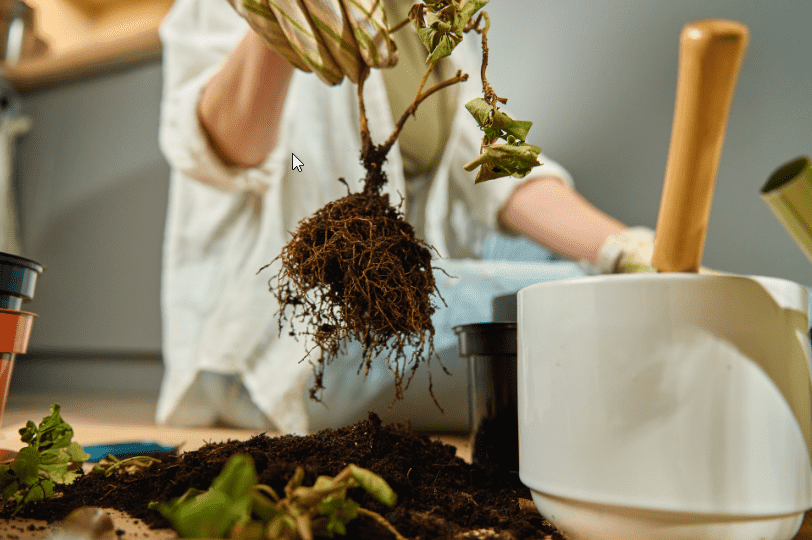
Most gardeners repot at the wrong time and wonder why their plants suffer. The secret isn't just how you repot, it's a critical watering step 1-2 days before that most people completely miss, and it could be why your plants keep dying.
Key Takeaways
- Water plants thoroughly 1-2 days before repotting to maintain root ball integrity and reduce transplant shock by ensuring cells are turgid and resilient.
- Pre-repotting hydration prevents fine root hair damage and keeps the root system intact during the stressful transition to a new container.
- Advanced root protection methods, including mycorrhizal fungi, hydrogel crystals, and humic acids, can significantly improve post-repotting success rates.
- A structured post-repotting recovery protocol with deep watering, environmental stabilization, and delayed fertilization maximizes plant survival and healthy adjustment.
Proper watering timing before repotting can mean the difference between a thriving plant and transplant shock casualties. While many urban gardeners focus on the repotting process itself, the critical preparation step of pre-hydration often gets overlooked, leading to unnecessary plant stress and poor establishment in new containers.
The Optimal Pre-Repotting Watering Window
The sweet spot for pre-repotting watering falls between 1 and 2 days before the actual transplant. This timing allows the plant to achieve optimal cellular hydration without creating waterlogged soil conditions that make root ball removal difficult. During this window, plant cells reach maximum turgidity, creating natural resilience against the physical stress of root disturbance.
Soil moisture levels should reach "slightly damp" rather than soaking wet or bone dry. This consistency facilitates easier removal from the old container while minimizing root damage. Plant nutrition specialists at HUMKO note that proper hydration timing works alongside fertilizer selection for successful plant establishment.
Temperature and humidity conditions also influence the optimal watering window. In cooler conditions, extend the timeline to 2 days to ensure adequate water uptake, while in warm, dry environments, watering 24 hours before repotting prevents excessive moisture loss.
Why Pre-Repotting Hydration Prevents Root Shock
Understanding the cellular mechanics behind transplant shock reveals why pre-hydration matters. When plants experience adequate moisture before repotting, their defense mechanisms are primed for the upcoming stress.
Turgid Cells Create Natural Resilience
Well-hydrated plant cells maintain structural integrity through turgor pressure. This cellular firmness acts as a biological shock absorber when roots encounter physical disturbance. Dehydrated cells collapse more easily under stress, leading to extensive tissue damage that triggers severe transplant shock symptoms.
Hydrated plant tissue maintains optimal metabolic function, with cells preserving energy reserves needed for rapid recovery. This biochemical advantage becomes crucial during the critical first weeks after repotting.
Intact Root Ball Preservation
Properly moistened soil holds together during transplant, preserving the delicate root architecture. Dry soil crumbles away from roots, severing the microscopic root hairs responsible for water and nutrient absorption. These fine structures, invisible to the naked eye, represent a significant portion of a plant's absorptive capacity.
Maintaining root ball integrity also preserves established mycorrhizal relationships. These beneficial fungal partnerships, which can extend root reach significantly, can take weeks to re-establish if disrupted during transplant.
Reduced Fine Root Hair Damage
Fine root hairs are the plant's primary water and nutrient uptake system. These structures are extremely fragile and easily damaged when the soil is too dry or when the root balls break apart. Pre-hydration creates a protective soil matrix that cushions these delicate structures during the repotting process.
Studies suggest that preserving more root hairs can reduce recovery time and improve survival rates in challenging growing conditions.
Identifying Transplant Shock Symptoms
Recognizing transplant shock early allows for immediate intervention that can save struggling plants. Symptoms typically manifest within 24-72 hours after repotting, though some indicators may appear up to two weeks later.
Early Warning Signs After Repotting
The first indicators of transplant shock include rapid wilting despite adequate soil moisture, leaf drooping that persists overnight, and sudden color changes in foliage. Healthy plants maintain some leaf turgidity even when slightly water-stressed, but shocked plants exhibit complete leaf collapse.
Yellowing or browning of lower leaves within the first week signals root system damage. This leaf drop represents the plant's attempt to reduce water demand while damaged roots recover their absorptive capacity.
Extended Recovery Period Indicators
Severe transplant shock manifests as stunted growth that persists beyond four weeks, mushy stems indicating cellular breakdown, or the development of fungal issues due to weakened plant defenses. Plants showing no new growth after a month may have suffered irreversible root damage.
Soil conditions can also indicate problems - persistent sogginess despite proper drainage suggests root rot, while rapid soil drying indicates root system failure to establish proper water uptake patterns.
Advanced Root Protection Methods
Beyond basic watering timing, sophisticated gardeners employ biological and technological methods to maximize repotting success. These methods address multiple stress factors simultaneously.
Mycorrhizal Fungi for Root Extension
Mycorrhizal inoculants contain beneficial fungi that form symbiotic relationships with plant roots, dramatically expanding their effective reach. These microscopic partners can access soil nutrients and water from areas much farther than roots alone can reach.
Application during repotting establishes these partnerships immediately, reducing the establishment period from months to weeks. The fungi also provide protective compounds that help plants resist transplant shock.
Hydrogel Crystals for Moisture Management
Super-absorbent hydrogel crystals can hold many times their weight in water, creating microscopic reservoirs throughout the soil. These crystals release moisture gradually as soil dries, maintaining consistent root zone hydration during the critical establishment period.
Research on urban tree planting shows that hydrogel amendments can improve establishment rates and reduce watering requirements during the first growing season.
Humic Acids for Nutrient Uptake
Humic acids derived from earthworm castings offer beneficial molecular structures for nutrient chelation and root stimulation. These organic compounds improve soil structure while providing growth-promoting substances found in natural forest ecosystems.
Post-Repotting Recovery Protocol
Successful repotting extends beyond the transplant moment into a structured recovery period that supports optimal plant establishment.
Deep Watering Technique
Immediately after repotting, apply water slowly until it drains from the container's bottom. This deep saturation eliminates air pockets and ensures intimate soil-to-root contact. Shallow watering creates dry zones that stressed roots cannot access.
Monitor soil moisture daily during the first two weeks, maintaining consistent dampness without waterlogging. Root systems damaged during repotting cannot regulate water uptake normally, making moisture management critical.
Environmental Stabilization
Place repotted plants in locations with bright, indirect light and stable temperatures between 18.3-23.9°C. Avoid direct sunlight, drafts, or temperature fluctuations that add environmental stress to an already compromised plant.
Maintain humidity levels above 50% through plant grouping, humidity trays, or room humidifiers. Higher ambient moisture reduces transpiration stress while damaged roots recover their water uptake capacity.
Delayed Fertilization Strategy
Avoid fertilization for 2-6 weeks after repotting to prevent overwhelming stressed root systems. Damaged roots cannot effectively process nutrients, and excess fertilizer salts can cause additional dehydration and burning.
When resuming fertilization, start with diluted solutions at 25% normal strength, gradually increasing as new growth indicates successful establishment. Focus on root-stimulating compounds during this recovery phase.
Professional-Grade Solutions for Home Growers
Advanced plant care technologies, once limited to commercial operations, are now available for home gardeners seeking professional results. These solutions address multiple stress factors simultaneously, dramatically improving transplant success rates.
Professional growers rely on integrated systems combining controlled-release nutrition, biological treatments, and water management technologies. These approaches can reduce plant mortality from typical rates to much lower levels when properly implemented.
The key lies in understanding that successful repotting involves managing biology, chemistry, and physics simultaneously - hydration timing, root protection, nutrient management, and environmental control must work in harmony to achieve optimal results.
For urban jungle enthusiasts seeking professional-grade plant nutrition solutions that simplify complex growing challenges, HUMKO provides slow-release fertilizer technologies tested in demanding growing environments.

Tomaž Čufer is the founder of Humko d.o.o. and one of Slovenia's most experienced names in professional horticulture. He started his journey in 1985 with the Humko-Tomaž Čufer Worm Farm near Bled — a small operation focused on producing worm humus and caring for gardens in the Julian Alps region.
Over the next four decades, what began as a worm farm grew into one of Slovenia's leading horticultural innovation companies. Under Tomaž's leadership, Humko developed more than 80 proprietary products, built 30 Dutch Bosman greenhouses, established three garden centers, and completed over 1,000 professional projects — including ornamental gardens, football fields, green roofs, living walls, and indoor plant installations.
In 1996, Tomaž founded the Humko Gardeners Club, connecting professional growers across Slovenia through shared knowledge, catalogs, and annual trade presentations. That community later became the Professional Horticultural Society, a formal economic interest group that today unites 23 horticultural businesses.
Tomaž holds multiple patents in the areas of green wall systems and complex bio-fertilizer formulations. His core belief — that professional plant nutrition should be accessible, simple, and trustworthy for everyday gardeners — is the philosophy behind every Humko product.
When he's not developing new formulations or consulting on landscape projects, he's often found in the field, testing ideas the same way he always has: in the soil.
Bled, Slovenia | Founder since 1985 | Patent holder | Professional horticultural consultant