

By Humko Plant Health Expert Team - April 7, 2026
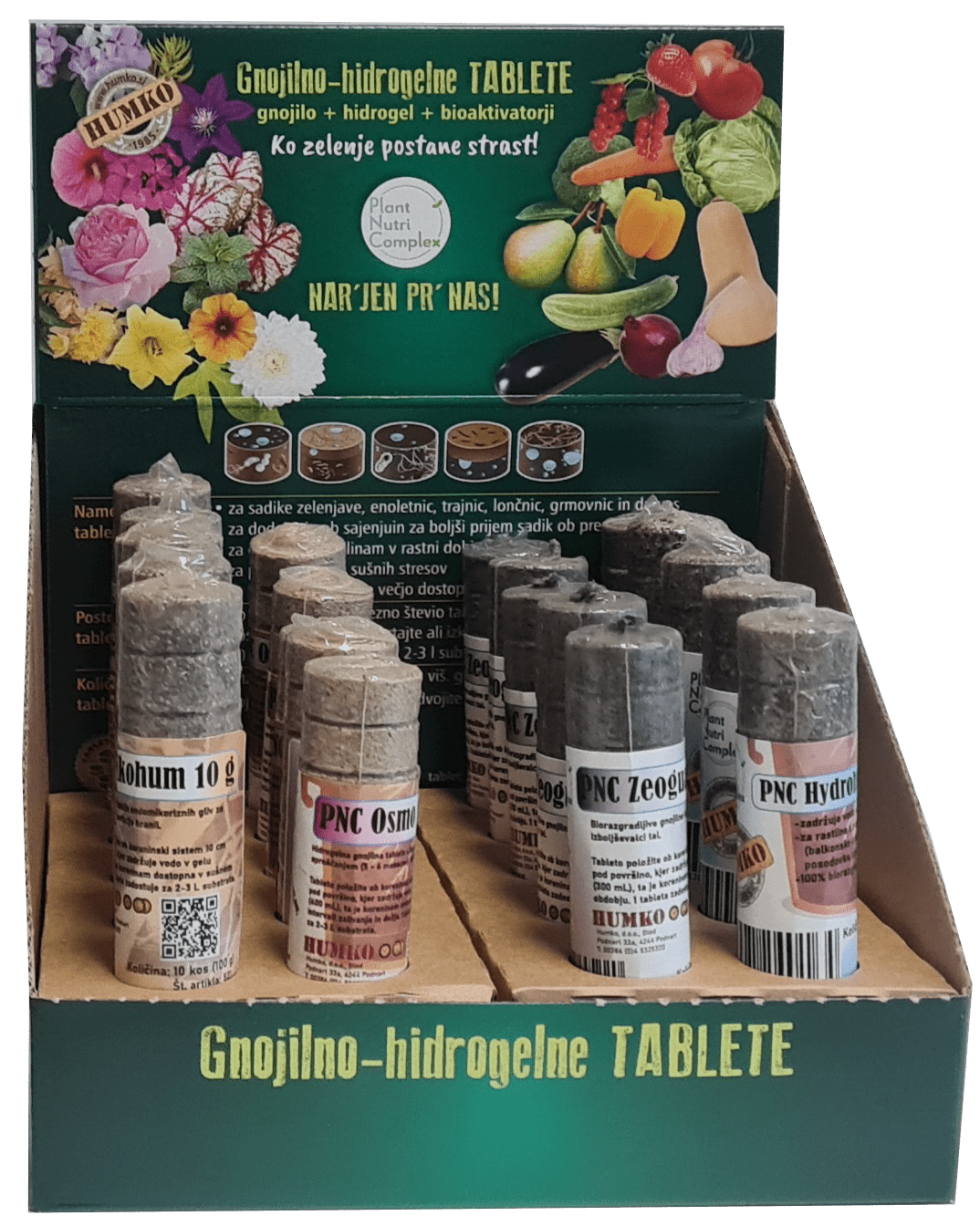
Choosing between Jobe's and Scotts fertilizers isn't just about brand preference—you're actually selecting between two completely different nutrient delivery systems. One relies on living soil organisms, while the other uses engineered polymer coatings, and understanding this difference could transform your gardening results.Key TakeawaysJobe's uses microbial release technology that depends on soil organisms to break down organic matter, while Scotts Osmocote relies on polymer-coated prills that release nutrients through temperature-controlled osmosis.Polymer-coated fertilizers ...
By Tomaz Cufer - March 26, 2026
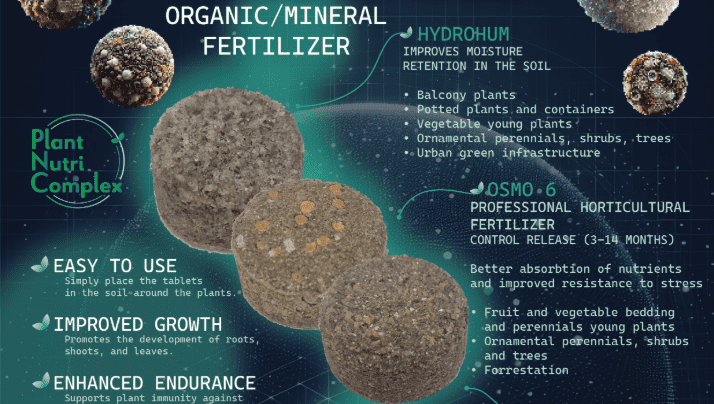
Most gardeners waste money on fertilizers that wash away after the first rain. Professional-grade slow-release tablets can cut fertilizer use by 30% while feeding plants for up to two years—but choosing the wrong type for your specific plants could be a costly mistake.Key Takeaways:Controlled-release fertilizer tablets improve nutrient use efficiency by 20-30% while reducing fertilizer requirements and lasting 6 months to 2 yearsAgriform 20-10-5 provides two-year tree nutrition, while Osmocote ...
By Humko Plant Health Expert Team - March 9, 2026
Up to 30% of newly planted fruit trees don't survive their first year—but there's a science-backed planting technique that's bringing survival rates close to zero loss. The secret lies in how and when nutrients reach vulnerable roots during those critical first twelve months.Key TakeawaysNewly planted fruit trees face mortality rates as high as 20-30% in their first year due to transplant shock, inadequate watering, and nutrient deficienciesControlled-release fertiliser tablets provide ...

By Tomaz Cufer - March 8, 2026
You've invested hundreds of euros in privacy hedge plants, but there's a hidden factor that determines whether they'll thrive or struggle for years to come. The answer lies inches beneath the surface—and it's probably not what you think.Key TakeawaysClay soils trap water and suffocate roots, while sandy soils drain too fast and lose nutrients quickly—both require specific amendments for healthy hedge growth.Organic matter works as a universal solution that improves both clay ...
By Tomaz Cufer - March 7, 2026
Most gardeners don't realize that fertilizing established hedges the wrong way can actually damage the root system you're trying to protect. The secret lies in precise tablet placement—but there's a specific zone you need to find first, and it's not where you think.Key Takeaways:Professional-grade slow-release tablets protect established hedge roots by releasing nutrients gradually, eliminating the risk of fertiliser burn common with fast-release granular productsYellowing foliage, uneven growth patterns, and ...

By Humko Plant Health Expert Team - February 28, 2026
Your expensive hedges and trees deserve better than sandy soil that drains away water and nutrients in hours. Research shows a specific three-component system can permanently transform problem sand into premium growing conditions—but traditional organic amendments aren't part of the solution.Key TakeawaysThe most effective sandy soil improvement strategy combines a 'mineral framework' (zeolite and bentonite) with biochar to create long-lasting soil enhancement that persists for decades.Zeolite creates an underground water ...
By Tomaz Cufer - February 19, 2026
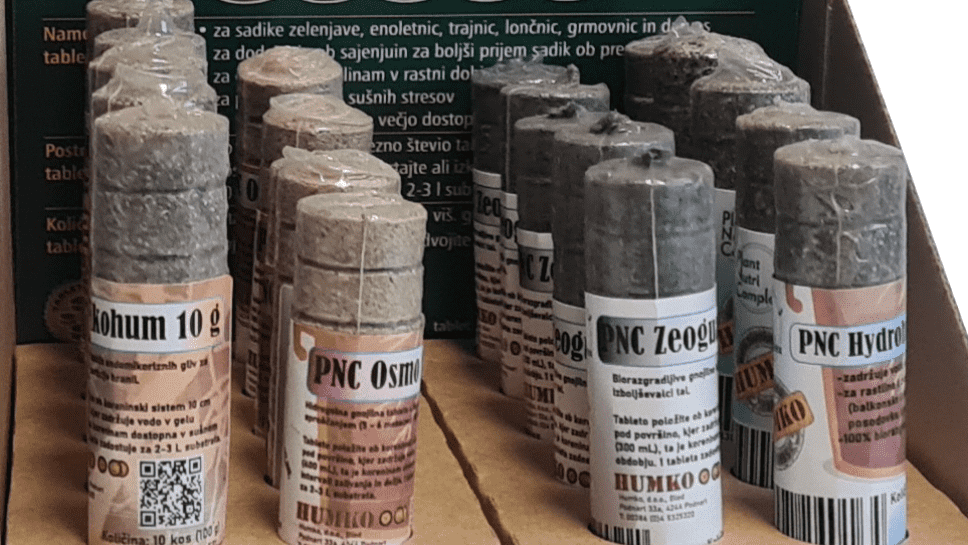
Choosing the wrong slow-release fertilizer could mean reapplying every 8 weeks while your container plants struggle between waterings. But what if one fertilizer technology holds 350ml of water per tablet while feeding plants? The release duration difference might surprise you.Key TakeawaysPNC Mikohum tablets provide extended plant nutrition cycles compared to Jobe's 2-3 month release periods, thanks to advanced hydrogel technologyHydrogel reservoirs in PNC Mikohum hold up to 350ml of water, creating ...

By Humko Plant Health Expert Team - February 18, 2026
Container nurseries spend 30-50% of their budget on labor, with traditional fertilizers demanding 3-5 applications per season. But what if a single application could eliminate that cycle entirely—and actually improve plant quality while cutting costs?Key TakeawaysContainer nurseries can significantly reduce labor costs when switching from traditional granular fertilizers to controlled-release fertilizers like Osmocote ExactSingle-application technology eliminates multiple seasonal feedings, transforming nursery operations from weekly maintenance to set-and-forget systemsTemperature-controlled release technology ...

By Humko Plant Health Expert Team - February 17, 2026
Your garden soil temperature is secretly controlling when—and how much—your plants get fed. While Osmocote's polymer coating reacts to heat, newer PNC tablets add nitrogen-fixing bacteria that keep working long after the fertiliser depletes. Here's why temperature synchronisation matters more than you think.Key TakeawaysTemperature directly controls when controlled-release fertilisers like PNC Osmo 6 and Osmocote deliver nutrients, with warmer soils triggering faster release rates when plants need feeding mostPNC Tablets ...