
PNC Mikohum vs Jobes Fertilizer Spikes: 2026 Release Duration Ranges
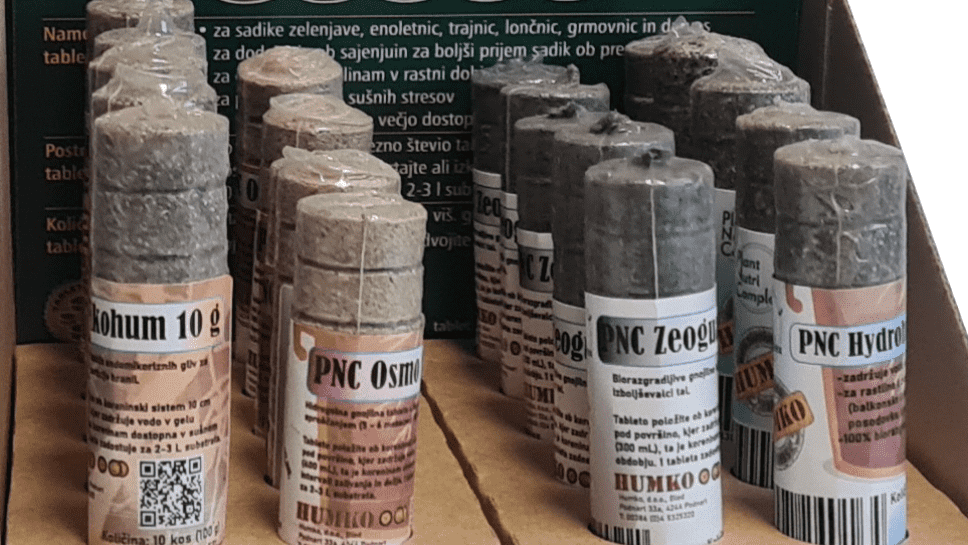
Choosing the wrong slow-release fertilizer could mean reapplying every 8 weeks while your container plants struggle between waterings. But what if one fertilizer technology holds 350ml of water per tablet while feeding plants? The release duration difference might surprise you.
Key Takeaways
- PNC Mikohum tablets provide extended plant nutrition cycles compared to Jobe's 2-3 month release periods, thanks to advanced hydrogel technology
- Hydrogel reservoirs in PNC Mikohum hold up to 350ml of water, creating drought resistance that traditional spikes cannot match
- Urban gardeners save significant labor costs with fewer applications needed throughout the growing season
- Mycorrhizal fungi in PNC Mikohum expand root access significantly while reducing fertilizer requirements by 15-30%
- 2026's rising fertilizer costs make precision delivery systems increasingly valuable for small-scale operations
Urban gardeners face a critical decision when choosing slow-release fertilizers for their container plants and hydroponic systems. The battle between advanced tablet technology and traditional spike formats has intensified in 2026, with significant differences in release duration and application efficiency becoming clear advantages for serious growers.
PNC Mikohum's Hydrogel Technology Extends Plant Nutrition Timeline
The approach behind PNC Mikohum tablets centers on dual-action technology that manages both water and nutrients simultaneously. Each tablet contains a biodegradable hydrogel reservoir capable of swelling to hold dissolved nutrients, creating an ionic pump hydration system. This technology fundamentally changes how plants receive consistent nutrition over extended periods.
Unlike traditional fertilizer delivery methods, the hydrogel component actively prevents drought conditions while maintaining steady nutrient availability. The 350ml water capacity per tablet transforms how urban gardeners approach container plant care, especially in challenging environments where consistent moisture levels prove difficult to maintain. HUMKO's PNC Mikohum system represents over 40 years of bio-innovation development specifically targeting urban growing challenges.
The extended release duration eliminates the frequent reapplication cycles that plague busy urban gardeners. This timeline varies based on environmental conditions, container size, and plant type, but consistently outperforms conventional spike formats that require replacement every 2-3 months regardless of growing conditions.
The Technology Behind Each Product's Release System
PNC Mikohum's Advanced Bio-Additives and Hydrogel Reservoir
The sophisticated composition of PNC Mikohum tablets integrates five specific mycorrhizal fungal strains within a controlled-release matrix. These biological components work synergistically with the hydrogel technology to create what scientists describe as a living nutrient highway extending far beyond natural root boundaries.
The mycorrhizal strains, including Glomus intraradices and Glomus mosseae, form lifelong partnerships with plant roots. Their microscopic filaments, called hyphae, penetrate soil pores that roots cannot reach, effectively expanding the plant's access to nutrients significantly beyond the normal soil volume. This biological amplification reduces the total fertilizer requirements while improving plant resilience during stress periods.
The hydrogel component provides moisture buffering that maintains consistent growing conditions even when irrigation schedules become irregular. In drought-prone conditions or water-sensitive hydroponic transitions, this technology provides moisture management that maintains consistent growing conditions.
Jobe's Biozome Spike Formulation
Jobe's fertilizer spikes utilize Biozome technology, incorporating a blend of beneficial bacteria, fungi, and archaea designed to improve soil health and nutrient availability. This approach focuses on creating a supportive soil microbiome rather than providing extended water management capabilities.
The compressed spike format delivers pre-measured NPK ratios, such as 13-4-5 for houseplants or 15-3-3 for trees, directly to the root zone through gradual dissolution. However, this process depends entirely on consistent soil moisture levels to activate and maintain the beneficial microbe populations. Without adequate water, the Biozome components remain dormant, reducing the spike's effectiveness.
The archaea component of Biozome technology proves particularly effective at breaking down complex minerals in depleted soils, making it valuable for restoration projects. However, the release duration varies across Jobe's product lines - houseplant spikes require reapplication every 2 months, while tree and shrub formulations may last an entire season, creating different labor and material costs throughout the growing season.
Release Duration Performance Analysis
Extended Release vs Standard Application Cycles
The fundamental difference in release duration creates significant implications for urban gardeners managing multiple container plants. PNC Mikohum's extended timeline allows for strategic application during optimal planting periods, typically spring repotting or fall preparation, without requiring mid-season interventions.
Standard application cycles with many Jobe's spike products demand attention every 8-12 weeks, creating what industry experts call "fertilizer fatigue" among small-scale growers. The frequent replacement schedule becomes particularly challenging during peak growing seasons when plant care demands already strain available time and resources.
Field trials in urban gardening projects demonstrate that fertilizers with integrated water retention capabilities significantly improve plant survival rates during unexpected dry spells. The extended release duration proves most valuable during transition periods when plants experience transplant shock or environmental stress.
Water Management Impact on Longevity
Water management capabilities directly influence the practical longevity of both fertilizer systems. PNC Mikohum's hydrogel technology creates a moisture buffer that extends effective nutrient delivery even during irregular watering schedules, while traditional spikes rely on consistent soil moisture for proper activation and dissolution.
Container plants, particularly those in smaller volumes, benefit dramatically from the water retention properties of hydrogel-enhanced fertilizers. The 350ml water capacity per tablet translates to reduced watering frequency and improved plant resilience during heat stress or vacation periods when regular care becomes impossible.
Drought-prone environments reveal the most significant performance differences between these systems. While Jobe's spikes may become inactive during dry periods, PNC Mikohum tablets continue providing nutrition through their stored water reserves, maintaining plant health when traditional methods fail.
Urban Gardening Applications and Performance
Container Plant Benefits
Container gardening presents unique challenges that highlight the advantages of advanced fertilizer technology. Limited soil volume, rapid moisture fluctuations, and restricted root expansion create conditions where traditional fertilizer approaches often fall short of providing consistent plant nutrition.
The precision delivery system of PNC Mikohum tablets addresses these container-specific challenges through targeted placement near root zones during repotting. Proper application provides complete nutrition while the hydrogel component manages moisture fluctuations that commonly stress container plants.
Urban gardeners report significant improvements in plant performance when switching from spike systems to tablet technology, particularly noting reduced wilting during hot weather and improved growth rates in smaller containers. The biological components create enhanced soil life even in sterile potting mixes, establishing beneficial relationships that persist throughout the growing season.
Hydroponic System Transitions
The transition from hydroponic systems to soil-based growing often creates nutrient management challenges that PNC Mikohum technology addresses effectively. Plants accustomed to constant nutrient availability struggle with the irregular feeding patterns of traditional soil fertilizers, making the steady release profile particularly valuable.
Hydrogel technology provides a bridge between hydroponic precision and soil-based flexibility, offering the consistent moisture and nutrient levels that transitioning plants require. This capability proves especially important for urban gardeners experimenting with different growing methods or seasonal system changes.
The mycorrhizal components help establish the beneficial soil relationships that hydroponic plants lack, creating a more robust root system capable of thriving in soil environments. This biological support system reduces transplant shock and improves long-term plant establishment success.
Drought-Prone Environment Success
Water scarcity challenges facing urban gardeners in 2026 make drought tolerance a critical factor in fertilizer selection. PNC Mikohum's integrated water management system provides active drought protection that traditional spikes cannot match, maintaining plant nutrition even when irrigation becomes inconsistent.
Case studies from urban gardening projects demonstrate significantly improved plant survival rates during dry spells when hydrogel-enhanced fertilizers are employed. The water retention capability extends beyond simple moisture storage, creating a microenvironment around roots that maintains optimal growing conditions.
Heat stress periods reveal the most dramatic performance differences, with hydrogel-supported plants maintaining growth and flowering while traditionally fertilized plants enter survival mode. This resilience translates to more productive gardens and reduced plant replacement costs throughout challenging growing seasons.
Economic Value and Application Efficiency
Cost Per Application Cycle Comparison
Economic analysis reveals significant long-term savings potential when comparing extended-release tablet systems to traditional spike applications. While PNC Mikohum tablets carry higher upfront costs, the extended duration creates favorable cost-per-application ratios over complete growing seasons.
Urban gardeners managing 20-50 container plants typically apply many Jobe's spike products 3-4 times annually, creating recurring material and labor costs that accumulate throughout the season. The precision delivery of tablet technology eliminates multiple application cycles while reducing total fertilizer consumption through improved efficiency.
Rising fertilizer costs in 2026, approaching record 2022 levels, make precision delivery systems increasingly valuable for budget-conscious gardeners. The improved nutrient use efficiency of mycorrhizal-enhanced systems translates to reduced total fertilizer requirements while maintaining superior plant performance.
Labor Savings Through Precision Delivery
Time management becomes increasingly critical for urban gardeners, balancing plant care with busy schedules. The single-application approach of PNC Mikohum tablets eliminates the ongoing maintenance requirements that make spike systems labor-intensive over complete growing seasons.
Precision placement during repotting incorporates fertilization into existing plant care routines rather than creating separate maintenance tasks. This integration reduces the mental load of remembering application schedules while ensuring plants receive consistent nutrition without ongoing intervention.
The reduced watering frequency resulting from hydrogel water retention compounds the labor savings, creating measurable time reductions in daily plant care routines. Urban gardeners report 30-50% reductions in watering frequency while maintaining superior plant health compared to traditionally fertilized containers.
Choose PNC Mikohum for Superior Long-Term Urban Plant Nutrition
The evidence clearly demonstrates PNC Mikohum's superior performance for urban gardening applications requiring extended nutrition delivery and water management. The combination of advanced hydrogel technology, biological soil enhancement, and precision delivery creates a fertilizer system specifically designed for the challenges facing modern urban gardeners.
The extended release duration eliminates the frequent reapplication cycles that make traditional spike systems labor-intensive and costly over complete growing seasons. Urban gardeners seeking organic-compatible solutions will find the biological components and sustainable design philosophy align with environmentally conscious growing practices.
For urban gardeners and small-scale horticulturalists ready to upgrade their plant nutrition systems, the investment in advanced tablet technology provides measurable improvements in plant performance, resource efficiency, and time management. The integrated approach to water and nutrient management addresses the specific challenges of container growing while supporting the transition to more sustainable urban gardening practices.
Learn how HUMKO's four decades of bio-innovation can transform your urban gardening success at humko.eu.

Tomaž Čufer is the founder of Humko d.o.o. and one of Slovenia's most experienced names in professional horticulture. He started his journey in 1985 with the Humko-Tomaž Čufer Worm Farm near Bled — a small operation focused on producing worm humus and caring for gardens in the Julian Alps region.
Over the next four decades, what began as a worm farm grew into one of Slovenia's leading horticultural innovation companies. Under Tomaž's leadership, Humko developed more than 80 proprietary products, built 30 Dutch Bosman greenhouses, established three garden centers, and completed over 1,000 professional projects — including ornamental gardens, football fields, green roofs, living walls, and indoor plant installations.
In 1996, Tomaž founded the Humko Gardeners Club, connecting professional growers across Slovenia through shared knowledge, catalogs, and annual trade presentations. That community later became the Professional Horticultural Society, a formal economic interest group that today unites 23 horticultural businesses.
Tomaž holds multiple patents in the areas of green wall systems and complex bio-fertilizer formulations. His core belief — that professional plant nutrition should be accessible, simple, and trustworthy for everyday gardeners — is the philosophy behind every Humko product.
When he's not developing new formulations or consulting on landscape projects, he's often found in the field, testing ideas the same way he always has: in the soil.
Bled, Slovenia | Founder since 1985 | Patent holder | Professional horticultural consultant