
Osmocote Exact vs. Traditional Granular: Container Nursery Labor ROI
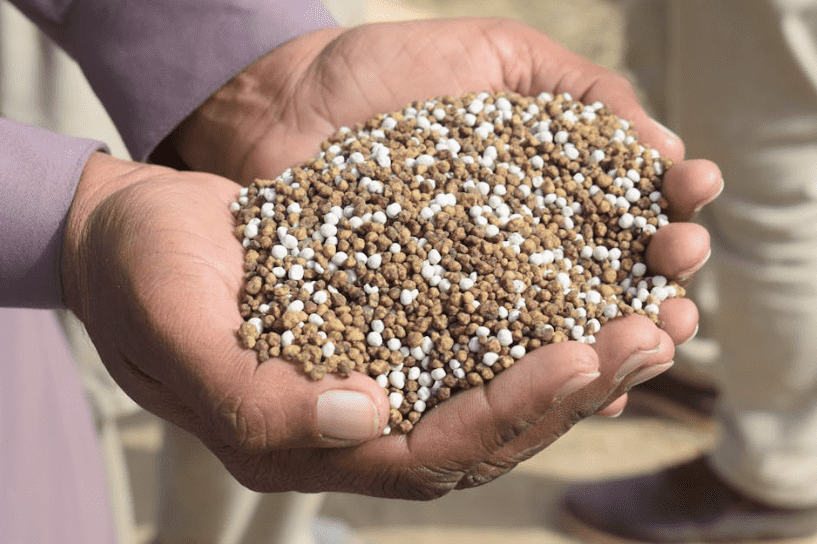
Container nurseries spend 30-50% of their budget on labor, with traditional fertilizers demanding 3-5 applications per season. But what if a single application could eliminate that cycle entirely—and actually improve plant quality while cutting costs?
Key Takeaways
- Container nurseries can significantly reduce labor costs when switching from traditional granular fertilizers to controlled-release fertilizers like Osmocote Exact
- Single-application technology eliminates multiple seasonal feedings, transforming nursery operations from weekly maintenance to set-and-forget systems
- Temperature-controlled release technology matches nutrient availability to plant growth stages, reducing waste and improving plant quality
- While upfront costs are higher, CRFs deliver superior ROI through reduced labor, minimized nutrient losses, and improved plant performance
- Bio-enhanced alternatives like PNC tablets offer specialized solutions for smaller-scale, premium production
Single Application Technology Transforms Container Nursery Operations
The economics of container nursery fertilization have shifted dramatically with the introduction of controlled-release fertilizers (CRFs). Traditional granular fertilizers require constant attention—multiple applications throughout the growing season, careful timing, and continuous monitoring to prevent nutrient burn or deficiency. This labor-intensive approach ties up staff resources and creates operational bottlenecks during peak growing seasons.
Modern CRF technology eliminates this burden through precise coating mechanisms that regulate nutrient release over extended periods. A single incorporation of Osmocote Exact at potting provides consistent nutrition for 5-14 months, depending on the formulation selected. HUMKO, d.o.o., Bled recognizes this shift toward efficiency, developing their own controlled-release solutions that complement large-scale CRF operations with bio-enhanced alternatives for specialized applications.
The transformation extends beyond simple convenience. Container nurseries using single-application systems report more uniform plant growth, reduced root burn incidents, and improved crop timing predictability. Staff can focus on propagation, pest management, and customer service rather than constant fertilizer monitoring.
One Application vs. Multiple Seasonal Feeds Economics
Application Frequency Impact on Labor Hours
Labor represents a major operational expense for most container nurseries, typically accounting for 30-50% of total production costs. Traditional granular fertilizers demand 3-5 applications per growing season, with each application requiring soil surface preparation, precise measurement, even distribution, and immediate watering-in to prevent salt accumulation.
Nurseries switching to CRFs experience significant reductions in fertilization-related labor costs. For a 10-acre operation, this translates to substantial savings in man-hours annually dedicated to fertilizer application. The time savings multiply during spring rush periods when labor demands peak across all nursery operations.
The economic impact extends beyond direct labor savings. Reduced application frequency means fewer opportunities for human error, less equipment wear from constant use, and decreased fuel consumption for machinery operation. These secondary benefits contribute to additional cost reductions.
Temperature-Controlled Release Technology
Unlike traditional fertilizers that dump nutrients based on moisture events, temperature-controlled release systems align nutrient availability with plant metabolic rates. Osmocote Exact's resin coating responds to soil temperature—releasing nutrients faster during warm, active growth periods and slower during cool, dormant phases.
This natural synchronization eliminates the feast-or-famine nutrition cycles common with granular fertilizers. Plants receive steady nutrition that matches their physiological needs, resulting in more compact, well-branched growth that commands premium retail prices. The controlled release also prevents nutrient leaching during heavy rainfall, protecting both the investment and the environment.
Controlled Release Efficiency Reduces Nutrient Waste
Coating Technology Prevents Nutrient Dumping
Traditional granular fertilizers release their entire nutrient load within days of application, creating immediate salt spikes that can burn sensitive root systems. The rapid release forces plants to either absorb excessive amounts quickly or lose nutrients to leaching, neither of which promotes optimal growth.
Advanced coating technology in Generation 3 and 4 CRFs creates a semi-permeable barrier that meters nutrient release. The coating allows water to enter and create an internal nutrient solution, but controls the rate at which this solution diffuses out to plant roots. This prevents the EC (electrical conductivity) spikes that cause root damage and ensures consistent nutrient availability.
The precision of this system reduces fertilizer waste by up to 50% compared to traditional methods. Nutrients stay in the root zone longer, giving plants multiple opportunities for uptake rather than washing away with the first heavy rain or irrigation cycle.
Minimizes Nitrogen Leaching and Runoff
Environmental regulations increasingly restrict nitrogen discharge from nursery operations, making nutrient efficiency both economically and legally critical. Traditional fertilizer programs often lose significant portions of applied nitrogen to leaching, especially in the sandy, well-draining media preferred for container production.
CRF technology cuts nitrogen losses dramatically through controlled release patterns. The coating responds to temperature rather than moisture, preventing the massive nutrient dumps that occur when traditional fertilizers encounter heavy rainfall. This controlled release keeps nitrogen in the productive root zone where plants can utilize it efficiently.
Nurseries in regulated watersheds find that CRF adoption helps them meet discharge permits while actually improving plant quality. The reduced environmental impact also appeals to increasingly eco-conscious consumers, creating marketing advantages for sustainably grown plants.
Generation 3 and 4 CRF Technology Advantages
Patterned Release Matching Growth Stages
Modern CRF formulations offer sophisticated release patterns tailored to specific crop requirements. Osmocote Exact Lo.Start provides minimal initial nutrient release, ideal for sensitive seedlings and rooting cuttings that can be damaged by early salt exposure. Standard formulations deliver consistent nutrition throughout the growing cycle, while high-end patterns provide increased late-season feeding for crops requiring extended finishing periods.
This pattern flexibility allows nurseries to optimize nutrition for diverse crops within the same production system. Woody ornamentals requiring extended establishment periods benefit from different patterns than fast-growing annuals destined for quick retail turnover. The ability to match fertilizer patterns to crop biology maximizes both plant performance and economic returns.
Advanced formulations also incorporate micronutrient packages specifically designed for container production. OTEA (Optimized Trace Element Availability) technology ensures plants receive balanced nutrition beyond the basic NPK, resulting in superior foliage color and plant vigor that justify premium pricing.
Double Coating Technology for Winter Applications
Fourth-generation CRFs like Osmocote Exact Protect feature Double Coating Technology (DCT) that delays nutrient release for 2-3 months after application. This programmed release allows nurseries to pot plants in autumn with confidence that nutrients won't leach away during the winter months when plants are metabolically inactive.
The delayed release technology transforms fall production strategies. Nurseries can complete potting operations during slower autumn periods, knowing that nutrient release will align with spring growth resumption. This timing flexibility reduces spring labor bottlenecks and ensures plants enter the growing season with optimal nutrition immediately available.
DCT also prevents salt accumulation in greenhouse environments where winter heating creates conditions conducive to fertilizer burn. The coating remains intact during low-temperature periods, then activates as soil temperatures rise in spring, providing seamless nutrition timing.
Humko PNC Tablets: Bio-Enhanced Alternative
Hydrogel Water Retention Technology
While large-scale CRF operations prioritize uniformity and efficiency, specialized applications benefit from enhanced technologies that address multiple plant needs simultaneously. PNC tablets integrate controlled-release nutrition with hydrogel water retention, creating localized reservoirs that significantly increase water-holding capacity per tablet.
This dual-function approach particularly benefits smaller-scale operations or premium plant production where individual plant care justifies the additional investment. The hydrogel component reduces watering frequency substantially, while the controlled-release fertilizer provides 3-6 months of nutrition from a single tablet placement.
The water retention capability proves especially valuable for hanging baskets, large containers, and specialty plants requiring consistent moisture. The ionic pump action of the hydrogel also prevents nutrient leaching, ensuring that dissolved fertilizers remain available in the root zone rather than washing through the drainage holes.
Mycorrhizae and Nitrogen-Fixing Bacteria Integration
PNC technology incorporates beneficial microorganisms that create lasting soil improvements beyond the fertilizer release period. Multiple strains of mycorrhizal fungi establish symbiotic relationships with plant roots, extending nutrient and water uptake capacity significantly beyond normal root reach.
The integration of nitrogen-fixing bacteria and phosphorus-mobilizing microorganisms creates a living soil ecosystem within the container. These beneficial microbes continue working long after the fertilizer component is depleted, providing ongoing plant support and soil health benefits.
This biological approach appeals to organic and sustainable production systems where soil health receives priority alongside plant nutrition. The microbial activity also improves soil structure and disease resistance, creating healthier plants that require fewer inputs over their production cycle.
When Traditional Granular Still Makes Economic Sense
Despite the advantages of controlled-release technology, traditional granular fertilizers maintain relevance in specific situations. Short-term crops with growing cycles under 6-8 weeks may not justify CRF investment, especially when rapid nutrient uptake is desired for quick finishing.
Extremely cost-sensitive operations producing commodity plants for wholesale markets might find the upfront CRF investment difficult to recover through improved plant quality or labor savings. The price differential between traditional and controlled-release fertilizers can be substantial, particularly for large-volume operations.
Traditional fertilizers also provide more immediate control over plant nutrition, allowing experienced growers to adjust feeding programs rapidly in response to environmental conditions or market demands. This flexibility can be valuable in custom growing operations or when producing crops with highly specific nutritional requirements.
Choose CRFs for Large-Scale Operations, PNC for Premium Bio-Enhanced Production
The decision between controlled-release fertilizers and traditional granular fertilizers ultimately depends on operational scale, labor costs, and production goals. Large container nurseries benefit most from CRF adoption through significant labor savings and improved crop uniformity. The upfront investment recovers quickly through reduced application costs and minimized plant losses.
Smaller operations or those focusing on premium, bio-enhanced production find greater value in specialized solutions like PNC tablets that combine multiple plant health technologies. These systems justify their higher per-unit cost through superior plant performance and reduced water requirements.
The most sophisticated operations often employ both approaches—CRFs for standard production crops and bio-enhanced alternatives for specialty plants commanding premium prices. This dual strategy maximizes operational efficiency while maintaining the flexibility to serve diverse market segments.
For professional landscapers and container nursery managers seeking advanced plant nutrition solutions, HUMKO offers cutting-edge PNC tablet technology that combines controlled-release fertilizers with biological enhancements for superior plant establishment and long-term health.

The Humko Plant Health Expert Team is a group of horticultural scientists, soil biologists, and professional gardeners based in Bled, Slovenia. With roots going back to 1985, our team brings together nearly four decades of hands-on research in mycorrhizal biology, humic acid chemistry, substrate science, and professional plant nutrition.
We've worked on over 1,000 projects — from Dutch-style commercial greenhouses and golf courses to vertical green walls, ornamental gardens, and urban rooftop installations. Our formulas have been field-tested in the most demanding growing environments on earth before we ever offered them to home gardeners.
Everything we publish is grounded in real science and real growing experience. We don't repeat what's already on the bag — we explain why plants behave the way they do, and what actually makes a difference in the soil. Our goal is simple: help you grow plants that don't just survive, but thrive — with less guessing and less anxiety.
Based in Slovenia | EU-certified products | 40 years of professional horticulture