
Mykos vs Myco vs Madness: Single-Species or Multi-Species Performance?
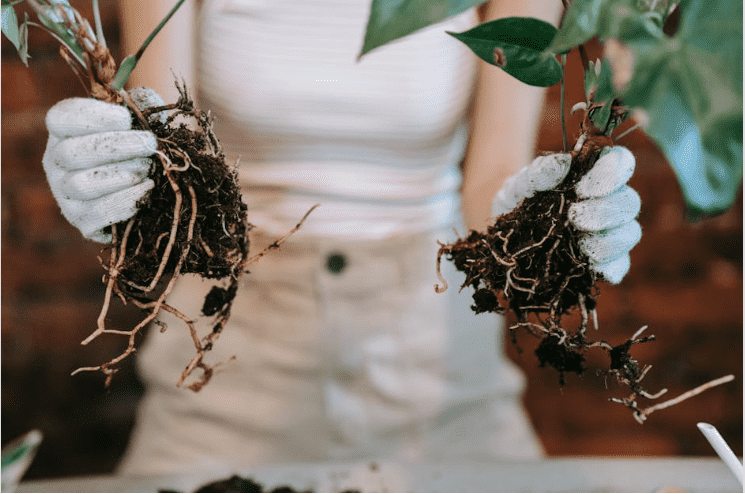
Choosing between single-species mycorrhizal products like Mykos and multi-species blends could mean the difference between thriving plants and disappointing results. Here's what 450 million years of fungal evolution reveals about matching the right inoculant to your specific growing conditions.
Key Takeaways
- Single-species inoculants like Mykos provide predictable, high-density performance (300 propagules/gram) ideal for controlled growing systems
- Multi-species blends offer broader resilience across diverse soil conditions but with less precise colonisation control
- HUMKO's PNC Mikohum tablets combine two endomycorrhizal strains with hydrogel technology for European gardens
- Application success depends on matching the inoculant complexity to your growing environment and management style
The mycorrhizal market presents gardeners with a fundamental choice: pure, single-species precision or diverse, multi-species adaptability. Both approaches deliver proven root enhancement, but understanding when each excels helps determine the best investment for your specific growing conditions.
The Pure vs Blend Debate: Why Propagule Density and Species Count Matter for Root Performance
Mycorrhizal fungi have evolved alongside plants for 450 million years, creating one of nature's most successful partnerships. Modern inoculants harness this relationship, but manufacturers take vastly different approaches to packaging these beneficial organisms. The central tension lies between biological simplicity and ecological complexity.
Propagule density—the number of viable fungal units per gram—directly impacts colonisation speed and success rates. Higher densities mean faster root penetration and quicker establishment of the symbiotic network. However, species diversity offers insurance against varying soil conditions, pH fluctuations, and different host plant preferences.
Research consistently shows that 90% of land plants naturally form these partnerships in the wild. The question becomes whether to mimic nature's complexity or focus on laboratory-proven single-strain performance.
Single-Species Champions: The Mykos Advantage in Controlled Systems
Clean Biology for Predictable Results
Mykos represents the pinnacle of single-species mycorrhizal products, containing exclusively Rhizophagus intraradices (formerly known as Glomus intraradices). This approach appeals to growers who prioritise consistency and measurable outcomes. With only one fungal strain involved, variables remain minimal, making it easier to predict colonisation patterns and optimise application timing.
The clean biology approach eliminates potential conflicts between different fungal species competing for root space. Instead, all propagules work towards establishing a uniform mycorrhizal network, leading to more predictable nutrient and water uptake improvements.
High Propagule Density (300 propagules/gram of Rhizophagus intraradices) and Fast Colonisation
Mykos delivers approximately 300 viable propagules per gram. This concentration enables rapid colonisation, with hyphal networks typically developing within several weeks under optimal conditions. The high density proves particularly valuable in sterile growing media like coco coir or rockwool, where native fungi are absent.
Fast colonisation translates to earlier nutrient mobilisation benefits. Plants inoculated with high-density single-species products often show phosphorus uptake improvements more quickly than multi-species blends, which may require additional time to establish comparable networks.
Ideal Applications for R. intraradices
Rhizophagus intraradices excels in controlled environments with consistent pH and nutrient regimes. Container production, hydroponic systems with organic components, and precision fertigation setups benefit most from this strain's predictable behaviour. The fungus thrives in pH ranges from 6.0-7.5 and tolerates moderate synthetic fertiliser levels without adverse effects, though high-phosphorus chemical fertilizers (12% or more) are not recommended as they may limit effectiveness.
Professional growers often choose single-species inoculants for mother plants, clone production, and high-value crops where standardisation matters more than environmental adaptability.
Multi-Species Powerhouses: When Complexity Beats Simplicity
Broad Spectrum Resilience Across Soil Conditions
Multi-species products like Myco Madness contain 9 different mycorrhizal fungi, creating biological redundancy that proves valuable in unpredictable growing conditions. This approach ensures that at least some species will thrive regardless of soil pH, moisture levels, or existing microbial populations. HUMKO's multi-strain approach exemplifies this philosophy for European gardeners, combining proven strains with hydrogel technology for enhanced performance.
Multi-species inoculants can provide advantages in challenging environments. During drought stress, mycorrhizal fungi enhance water uptake, while in fluctuating pH conditions, species diversity may help maintain overall network function.
Added Benefits Beyond Mycorrhizae
Premium multi-species blends incorporate beneficial bacteria like Bacillus and Pseudomonas species, plus Trichoderma fungi for pathogen suppression. These additions create synergistic effects that pure mycorrhizal products cannot match. Bacteria help mobilise nutrients and produce plant growth hormones, while Trichoderma species actively suppress root diseases.
The inclusion of root biostimulants further enhances establishment success. These compounds trigger rapid root hair development and increase exudate production, creating ideal conditions for mycorrhizal colonisation even in stressed plants.
EU Alternative: HUMKO's Multi-Strain Approach for European Gardens
Two Endomycorrhizal Strains (Glomus intraradices, Glomus mosseae) Plus Complete Root Support
HUMKO's PNC Mikohum tablets represent a middle ground between single-species purity and complex multi-species blends. By focusing on two proven endomycorrhizal strains—Glomus intraradices and Glomus mosseae—the product maintains reasonable biological simplicity while providing species redundancy for European growing conditions.
The dual-strain approach addresses different soil preferences: G. intraradices excels in slightly alkaline conditions common in many European soils, while G. mosseae thrives in more acidic environments. This combination ensures successful colonisation across the pH range typical of European gardens (5.5-7.5).
Hydrogel Integration and Support for Humus Formation
HUMKO's innovation lies in combining mycorrhizal fungi with hydrogel technology and earthworm humus. Each tablet contains hydrogel capable of holding 350ml of water, creating a moisture reservoir that supports fungal establishment during critical early stages. This integration proves particularly valuable for container plants and newly transplanted specimens.
The earthworm humus component provides organic matter that feeds beneficial microorganisms and creates ideal soil structure for hyphal growth. This biological foundation supports long-term soil health improvements that persist long after the initial inoculant has established.
Performance Scenarios: Matching Product to Growing Conditions
Coco and Peat Systems with Mineral Feeds
Sterile growing media demand high-propagule-density inoculants for rapid colonisation. Single-species products like Mykos excel here because they face no competition from native fungi and can establish quickly in the nutrient-rich environment. The predictable biology allows precise timing of fertiliser adjustments to support mycorrhizal development.
Application rates of approximately 4 grams per litre of media ensure adequate propagule density without over-inoculation. Direct root contact during transplanting maximises colonisation success rates.
Outdoor Beds and Field Crops
Field conditions favour multi-species approaches due to environmental variability and existing soil biology. Native fungal populations may compete with or complement introduced species, making diversity advantageous. Seasonal temperature fluctuations, irregular moisture, and varying pH zones all support the multi-species strategy.
Broadcast applications work well in field settings. The broader spectrum of organisms increases the likelihood of successful establishment despite unpredictable field variables.
Container Plants and Urban Gardens
Container production represents a hybrid scenario where single-species precision meets multi-species resilience needs. Premium containers benefit from high-density inoculants, but the confined root space makes species diversity valuable for long-term plant health. Products that balance these requirements often perform best.
Urban environments add complexity through pollution, compacted soils, and heat island effects. Multi-species blends with stress-tolerance organisms provide better adaptation to these challenging conditions than single-strain products.
Cost-Effectiveness and Practical Considerations for Professional Results
Application Rates and Coverage Calculations
Single-species products typically require specific application rates due to their concentrated propagule densities. Mykos applications of 1-2 tablespoons (approximately 7-20 grams) per plant or container provide adequate inoculation for most scenarios, with bulk packaging reducing per-unit costs for commercial operations.
Multi-species blends require their own specific application rates but offer broader biological coverage. The trade-off between immediate cost and long-term soil benefits often favours multi-species products for permanent plantings like trees and perennials.
Logistics and Availability Across EU Markets
European gardeners may face logistics challenges with imported mycorrhizal products. Biological materials can be temperature-sensitive, potentially adding costs and complexity. Local manufacturers like HUMKO offer advantages in product freshness, reduced shipping costs, and formulations adapted to European soil conditions.
Shelf life considerations become critical for seasonal purchasing patterns. Storage requirements vary between products, making proper handling and rotation important for maintaining propagule viability.
Choose Based on Your System: Single-Species for Control, Multi-Species for Adaptability
The choice between single-species precision and multi-species adaptability ultimately depends on growing system complexity and management philosophy. Controlled environments with consistent conditions favour single-species products for their predictable performance and standardisation benefits. Field production, landscape installations, and variable growing conditions reward multi-species diversity for its resilience and broad-spectrum benefits.
Professional growers increasingly adopt hybrid approaches, using single-species inoculants for critical stages like transplanting and multi-species blends for long-term soil building. This strategy maximises both establishment success and environmental adaptability.
Consider your primary growing challenges: if consistency and measurable outcomes matter most, single-species products deliver reliable results. If environmental variability and long-term soil health are priorities, multi-species blends provide better insurance against unpredictable conditions.
HUMKO continues developing mycorrhizal solutions that combine European soil expertise with proven biological technologies at humko.eu.

The Humko Plant Health Expert Team is a group of horticultural scientists, soil biologists, and professional gardeners based in Bled, Slovenia. With roots going back to 1985, our team brings together nearly four decades of hands-on research in mycorrhizal biology, humic acid chemistry, substrate science, and professional plant nutrition.
We've worked on over 1,000 projects — from Dutch-style commercial greenhouses and golf courses to vertical green walls, ornamental gardens, and urban rooftop installations. Our formulas have been field-tested in the most demanding growing environments on earth before we ever offered them to home gardeners.
Everything we publish is grounded in real science and real growing experience. We don't repeat what's already on the bag — we explain why plants behave the way they do, and what actually makes a difference in the soil. Our goal is simple: help you grow plants that don't just survive, but thrive — with less guessing and less anxiety.
Based in Slovenia | EU-certified products | 40 years of professional horticulture