
Mycorrhizal Fungi Powder: Propagule Count Benchmarks for 2026
Most commercial mycorrhizal products contain dead spores that won't colonize your plants—even when labels promise impressive counts. A shocking 2025 study found that none of the seven tested products actually established root symbiosis. Here's what separates effective inoculants from expensive dust.
Key Takeaways
- High propagule density (500+ per gram) ensures effective root colonization, while many commercial products contain mostly dead spores
- EU organic certification under Regulation 2018/848 provides relevant quality assurance for European organic farming practices
- Mixed endo-ecto formulations are essential for diverse gardens containing both vegetables/flowers and woodland trees
- Powder formulations achieve faster root colonization compared to granular alternatives, especially critical during transplanting
- Proper storage conditions preserve viability better than impressive label claims from products stored incorrectly
European gardeners investing in permanent plantings need mycorrhizal products that deliver living fungi to plant roots, not expensive dust. Understanding propagule count benchmarks helps distinguish effective inoculants from marketing hype in an industry where most commercial products fail to colonize roots.
High Viable Propagule Counts: The Key to Effective Root Colonization
Mycorrhizal fungi form symbiotic partnerships with plant roots, extending nutrient and water uptake significantly through microscopic fungal networks. However, these benefits only occur when living propagules successfully colonize root systems. A propagule represents any viable unit capable of establishing this partnership—including spores, hyphal fragments, and colonized root segments.
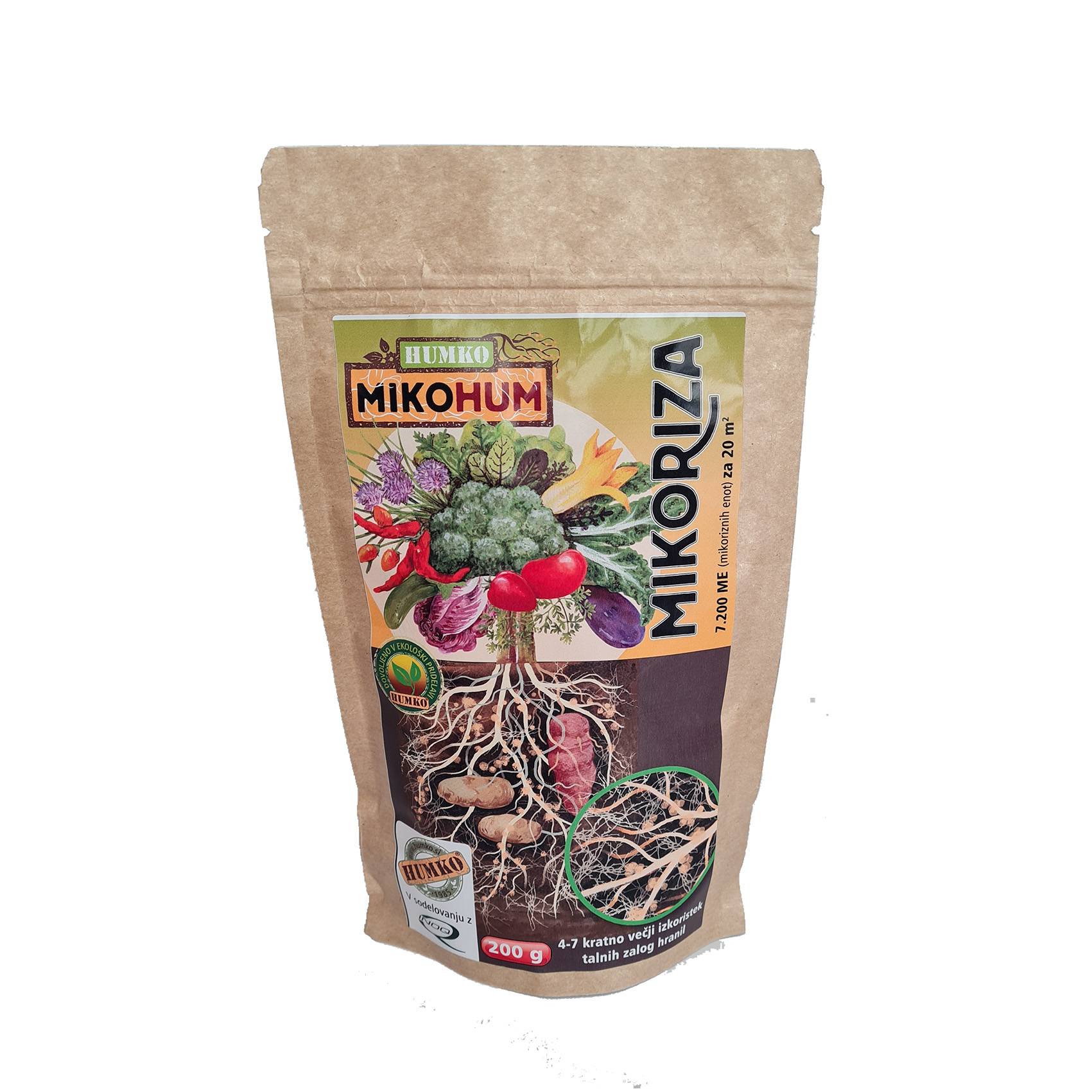
The challenge lies in propagule viability. Premium mycorrhizal products from HUMKO's Slovenian facilities demonstrate how shorter supply chains and proper handling during transport preserve propagule viability better than products degraded during long-distance shipping. Fresh, locally-produced inoculants reach gardeners with higher viable propagule counts compared to products degraded during extended transport.
Dead Spores Don't Colonize: The Viability Crisis
A 2025 study published in ZORA tested commercial mycorrhizal products across the EU and global markets. The results were shocking: none of the seven commercial home gardening products successfully established a symbiosis with plant roots despite impressive propagule count claims on their labels. Home gardening products performed worst, with most containing no living propagules whatsoever.
This viability crisis wastes significant resources annually on ineffective products. Manufacturer-claimed propagule counts consistently exceeded measured viable counts across all tested products, indicating widespread quality control failures or misleading labeling practices.
How Propagule Density Affects Root Coverage
Viable propagule density directly correlates with colonization success rates. Products containing fewer than 100 propagules per gram rarely achieve meaningful root colonization, regardless of application method. The recommended benchmark tiers break down as follows:
- Low tier (10-100 prop/g): Minimal colonization, suitable only for healthy soils with existing mycorrhizal networks
- Medium tier (100-500 prop/g): Functional colonization in most garden conditions
- High tier (500-1,000+ prop/g): Reliable colonization even in degraded or sterilized soils
Higher propagule density becomes especially critical in container gardening, newly constructed landscapes, or areas previously treated with fungicides that eliminated native soil fungi.
Standardized Testing and Clear Product Labeling Requirements
The mycorrhizal industry lacks standardized viability testing protocols, enabling misleading propagule count claims. Some manufacturers count dead spores and cellular debris alongside viable propagules, inflating numbers without improving plant benefits. Transparent labeling should specify both total propagule count and viability percentages at the time of packaging.
Independent third-party testing provides the most reliable quality verification. Products that undergo regular viability testing and publish results demonstrate manufacturing confidence and quality commitment rarely seen in this industry.
EU vs Global Standards: Where Your Product Stands
EU Fertilising Products Regulation Requirements
The EU Fertilising Products Regulation (EU) 2019/1009, in force since July 2022, explicitly includes mycorrhizal fungi under CMC 7 as approved microorganisms for microbial plant biostimulants. Products meeting FPR requirements receive CE marking, allowing unrestricted sales across all EU member states without additional national approvals.
This regulation requires the declared presence of microorganisms and third-party conformity assessment. Unlike fragmented national regulations, CE marking provides unified market access while ensuring basic quality standards.
OMRI Listed vs EU Organic Certification Frameworks
The Organic Materials Review Institute (OMRI) provides US-based certification ensuring products comply with USDA National Organic Program standards. While OMRI certification carries international recognition among organic gardeners, EU homeowners working within organic farming practices may find products certified under EU Regulation 2018/848 more directly relevant to their specific context.
EU organic certification addresses European soil conditions, climate patterns, and agricultural practices more directly than US standards. Local certification also indicates shorter supply chains, fresher products, and reduced environmental impact from international shipping.
Powder vs Granular: Optimizing Colonization for Different Applications
Root Contact Speed Comparison
Research shows powder formulations achieve faster root colonization rates compared to slower establishment with granular products. Powder's superior performance stems from immediate spore-to-root contact during application, while granular forms require spore migration through soil to reach root surfaces.
This colonization speed advantage proves especially valuable during transplanting when plants experience maximum stress. Faster mycorrhizal establishment reduces transplant shock and improves survival rates for expensive landscape investments.
Application Method Advantages
Powder formulations excel in specific application scenarios that granular products cannot match effectively:
- Root dipping: Powder adheres directly to wet root surfaces during bare-root transplanting
- Seed coating: Fine powder distributes uniformly across seed surfaces for immediate colonization upon germination
- Soil drenching: Wettable powders dissolve completely, delivering spores directly to existing root zones
- Container applications: Powder integrates evenly throughout small soil volumes without creating concentration pockets
Granular products work better for large-scale soil incorporation and provide longer-term spore release, but powder delivers faster initial results.
Storage and Viability Differences
Granular formulations typically maintain viability longer than powder forms due to the physical protection of individual spores within carrier materials. However, powder products stored correctly in cool, dry conditions achieve comparable shelf life while maintaining superior application flexibility.
Temperature stability proves more critical than formulation type. Both powder and granular products degrade rapidly when exposed to temperatures exceeding 50°C or prolonged UV exposure during storage or transport.
What High-Performing Products Actually Contain
Rhizophagus irregularis: A Widely Used and Effective Generalist Species
Rhizophagus irregularis (formerly Glomus intraradices) represents the gold standard endomycorrhizal species for commercial inoculants. This species demonstrates the broadest host plant compatibility and highest colonization success rates across diverse soil conditions and plant families.
Leading products like Mykos and Dynomyco build their formulations around R. irregularis because extensive research validates its effectiveness with vegetables, fruits, ornamentals, and most flowering plants. Single-species products containing high-quality R. irregularis often outperform multi-species blends with lower individual species concentrations.
Mixed Endo-Ecto Formulations: Tailoring to Plant Species in Gardens
European gardens typically contain both endomycorrhizal plants (roses, vegetables, fruit trees, grasses) and ectomycorrhizal plants (oaks, pines, birch, beech, hazel hedges). Single-species endo products fail completely with woodland trees, while ecto-only formulations provide no benefit to garden vegetables and ornamentals.
Effective mixed formulations contain proven endo species like R. irregularis and Funneliformis mosseae alongside ecto species such as Pisolithus tinctorius and Rhizopogon species. This combination ensures colonization success across diverse plantings while avoiding the propagule dilution common in overly complex multi-species blends.
Testing Your Mycorrhizal Product's Real Strength
Visual Root Colonization Assessment
Effective mycorrhizal colonization creates visible changes in root systems within 6-8 weeks of application. Colonized roots develop increased fine root density, appearing more branched and fibrous than untreated plants. Root tips may show slight swelling where fungal structures form.
Professional microscopic assessment reveals fungal structures within root tissues, but gardeners can evaluate success through improved plant vigor and reduced water stress symptoms during dry periods. Colonized plants maintain better leaf color and growth rates under challenging conditions.
Plant Performance Indicators
Successfully colonized plants demonstrate measurable performance improvements that indicate functional mycorrhizal partnerships:
- Enhanced drought tolerance: Plants show improved drought tolerance and reduced watering needs
- Improved nutrient efficiency: Reduced fertilizer requirements with maintained or improved growth
- Faster establishment: Transplants show reduced wilting and quicker new growth
- Disease resistance: Lower incidence of root rot and soil-borne pathogen damage
These benefits become most apparent during plant stress periods—drought, transplanting, or poor soil conditions—when mycorrhizal networks provide critical survival advantages.
Storage Conditions That Preserve Viability
Maintaining propagule viability requires specific storage protocols that many gardeners and retailers ignore. Ideal storage conditions include temperatures between 5-25°C, relative humidity below 60%, and complete protection from direct sunlight and UV exposure.
Products stored in garden sheds, garages, or vehicles frequently experience temperature extremes that kill fungal propagules within weeks. Cold storage extends viability significantly, while proper temperature control maintains product effectiveness over time.
Choose Products That Meet Established Propagule Standards and Regulatory Requirements
Effective mycorrhizal products combine high viable propagule counts with appropriate species selection for target plants and transparent quality documentation. EU gardeners benefit most from locally produced inoculants that arrive fresh with preserved viability, rather than impressive-sounding imports degraded during international shipping.
Look for products listing specific species names, propagule counts per gram, and clear application instructions. Avoid products with vague ingredient lists or unsupported marketing claims about universal plant compatibility. Quality manufacturers provide third-party testing results and specify storage requirements to maintain product effectiveness.
Professional-grade formulations meeting EU regulatory standards offer the most reliable path to successful root colonization and long-term plant health improvements in permanent landscape investments.

The Humko Plant Health Expert Team is a group of horticultural scientists, soil biologists, and professional gardeners based in Bled, Slovenia. With roots going back to 1985, our team brings together nearly four decades of hands-on research in mycorrhizal biology, humic acid chemistry, substrate science, and professional plant nutrition.
We've worked on over 1,000 projects — from Dutch-style commercial greenhouses and golf courses to vertical green walls, ornamental gardens, and urban rooftop installations. Our formulas have been field-tested in the most demanding growing environments on earth before we ever offered them to home gardeners.
Everything we publish is grounded in real science and real growing experience. We don't repeat what's already on the bag — we explain why plants behave the way they do, and what actually makes a difference in the soil. Our goal is simple: help you grow plants that don't just survive, but thrive — with less guessing and less anxiety.
Based in Slovenia | EU-certified products | 40 years of professional horticulture