
Miracle-Gro vs TerraSorb: Water Retention Comparison for Gardens
You probably think all water-retention crystals work the same way, but choosing the wrong one could waste money—or worse, harm your plants. The absorption capacity difference between consumer and professional-grade polymers is shocking, and application mistakes are surprisingly common.
Key Takeaways
- Superabsorbent polymers can hold 100-1,500 times their weight in water, dramatically reducing watering needs by 40-50% in garden applications
- Miracle-Gro's water-storing crystals work well in containers and hanging baskets for single-season use, while TerraSorb provides superior long-term soil conditioning for 3-5 years
- TerraSorb increases tomato biomass under drought conditions and offers better performance in sandy soils, making it ideal for permanent plantings
- Proper application rates are critical—overdosing can cause soil displacement and reduce plant performance rather than improve it
- Professional agricultural polymers like potassium polyacrylate offer greater stability and effectiveness compared to consumer-grade products
Water-storing polymers have transformed how gardeners manage irrigation and drought stress. These microscopic crystals change from tiny granules into gel reservoirs that can dramatically extend the time between watering sessions. Understanding which product works best for specific garden applications can mean the difference between thriving plants and disappointing results.
Superabsorbent Polymers Hold 150-1500x Their Weight
Both Miracle-Gro water-storing crystals and TerraSorb belong to a category called superabsorbent polymers (SAPs). These synthetic materials create three-dimensional networks that trap and slowly release water molecules. The absorption capacity varies dramatically based on polymer chemistry and cross-linking density.
Miracle-Gro's moisture control products can absorb significant amounts of water compared to basic potting soil, providing water storage throughout the growing season. TerraSorb, engineered for agricultural applications, absorbs approximately 150-200 times its weight in water and maintains this capacity through multiple wet-dry cycles over several years.
The key difference lies in their molecular architecture. Consumer products prioritize immediate swelling and user convenience, while agricultural hydrogels focus on repeated cycling performance and long-term stability in soil environments.
Cross-Linked Polymers vs Potassium Polyacrylate
1. Miracle-Gro's Container-Focused Chemistry
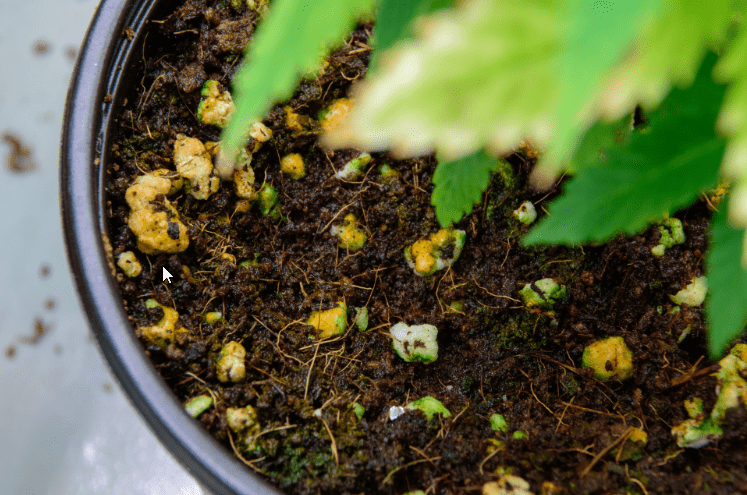
Miracle-Gro water-storing crystals use superabsorbent polymer technology designed for container gardening applications. These crystals swell rapidly when wetted, creating visible gel beads that gardeners can easily monitor. The formulation prioritizes immediate effectiveness in small soil volumes like hanging baskets and window boxes.
User reviews consistently confirm their effectiveness in reducing watering frequency for potted plants, particularly during hot summer months. However, the chemistry is optimized for single-season performance rather than multi-year soil conditioning.
2. TerraSorb's Professional Agricultural Formula
TerraSorb contains potassium polyacrylate copolymer at 93% active ingredient concentration. This professional-grade formulation incorporates potassium ions that provide dual benefits: superior water retention and gradual nutrient release as the polymer degrades naturally over 3-5 years.
The agricultural formulation maintains gel stability across a pH range from 6-8 and functions effectively in various temperature conditions. This environmental tolerance makes it suitable for diverse soil conditions and climate zones. HUMKO's soil improvement specialists recognize this stability as valuable for long-term garden performance.
3. Salt Sensitivity vs Agricultural Polymer Stability
Consumer-grade hydrogels often show reduced performance in fertilized soils due to salt sensitivity. High-salt irrigation water or frequent fertilizer applications can collapse the polymer structure, reducing water-holding capacity over time.
TerraSorb's potassium-based chemistry shows better compatibility with fertilizer applications and prevents long-term soil salinity issues that can occur with inferior hydrogel products.
Short-Term Container Use vs Long-Term Soil Conditioning
Hanging Baskets and Potted Plants
Miracle-Gro crystals work well in container applications where immediate results matter more than longevity. The visible swelling provides gardeners with confidence that the product is working, and the single-season lifespan aligns with annual potting mix replacement schedules.
Application rates follow label directions for optimal results. Over-application causes dramatic swelling that can displace soil or create jelly-like conditions harmful to root development. Following manufacturer guidelines prevents these mechanical problems.
Trees, Shrubs, and Garden Beds
TerraSorb transforms soil physics for permanent plantings. Mixed into backfill soil at planting or incorporated into garden beds, it creates microscopic water reservoirs throughout the root zone. This distributed storage system provides consistent moisture availability rather than concentrated gel pockets.
Professional landscapers use TerraSorb during transplanting because it significantly reduces establishment stress. Trees and shrubs planted with hydrogel amendments show higher survival rates and faster establishment, particularly in sandy or well-drained soils where water retention is naturally poor.
2-3 Year vs 5-Year Performance Differences
The lifespan difference reflects fundamental design philosophy. Miracle-Gro products target seasonal container gardening where annual soil replacement is expected. The polymer structure begins to degrade after 18 months to a few years of outdoor exposure.
TerraSorb's agricultural engineering provides years of soil conditioning benefits. As the polymer slowly biodegrades, it releases potassium ions that benefit plant nutrition while maintaining water-holding capacity for 3-5 years minimum.
Research Evidence Shows Measurable Plant Benefits
1. TerraSorb Increases Tomato Biomass Under Drought
Controlled research demonstrates TerraSorb's effectiveness beyond anecdotal garden experience. In tomato drought stress studies, plants grown with 0.4% TerraSorb showed increased dry biomass of stems, leaves, and roots under both adequate watering and drought conditions.
The hydrogel treatment improved stomatal conductance in plants experiencing drought cycles, indicating better physiological stress management. These measurable improvements in plant metabolism translate to better yields and quality in vegetable production.
2. Miracle-Gro User Reports from Container Gardens
While lacking peer-reviewed research, Miracle-Gro crystals have extensive user documentation supporting their container gardening effectiveness. Garden reviewers consistently report extended watering intervals and improved plant survival during vacation periods or irregular care schedules.
The practical evidence focuses on convenience and stress reduction for casual gardeners rather than optimizing plant performance. This aligns with the product's consumer market positioning and seasonal application pattern.
3. Water-Holding Capacity Performance Data
Laboratory measurements show significant differences in soil water-holding capacity improvements. TerraSorb, at recommended agricultural rates, increases soil water storage in sandy soils more dramatically than in clay soils.
Hydrogels can reduce irrigation frequency by up to 40% in turfgrass systems and increase seedling survival rates in reforestation projects. These quantified benefits demonstrate real-world water conservation potential.
Application Rates and Potential Overdosing Problems
Proper Dosing Prevents Soil Displacement
Both products can cause mechanical problems when over-applied. Miracle-Gro crystals that swell excessively can push soil out of containers or create waterlogged conditions that promote root rot. The visible nature of gel formation helps gardeners recognize overdosing.
TerraSorb requires more precise measurement since the gel formation occurs within soil pores. Professional application rates range from 1-4 pounds per 1,000 square feet, depending on soil type and irrigation management goals.
Clay vs Sandy Soil Performance Variations
Hydrogel effectiveness varies dramatically with soil texture. Sandy soils show the most dramatic improvement since the polymer fills large pore spaces that normally drain quickly. Clay soils already retain water well, so hydrogel benefits are less pronounced, and over-application can reduce drainage.
In clayey soils, excessive hydrogel can create anaerobic conditions by reducing hydraulic conductivity. This paradoxical result emphasizes the importance of soil-specific application rates rather than universal recommendations.
HUMKO's HYDROHUM Offers Professional Alternative
Professional soil management requires products engineered for specific applications rather than generic solutions. HYDROHUM crystalline hydrogel provides significant water absorption capacity with temperature stability, making it suitable for diverse climate conditions.
The cross-linked polyacrylamide formulation maintains pH stability while biodegrading safely over 3-5 years. This professional-grade chemistry bridges the gap between consumer convenience products and expensive agricultural hydrogels.
Choose Based on Garden Type and Time Horizon
The decision between Miracle-Gro and TerraSorb ultimately depends on gardening goals and time investment. Container gardeners replacing soil annually benefit from Miracle-Gro's immediate effectiveness and widespread availability at garden centers.
Permanent landscape installations justify TerraSorb's higher initial cost through multi-year performance and superior drought protection. Trees, shrubs, perennial beds, and vegetable gardens in sandy soils show the most dramatic benefits from professional hydrogel applications.
Both products require careful attention to application rates and soil conditions. Success comes from matching polymer chemistry to specific growing conditions rather than assuming all water-retention products perform equally.
For professional-grade soil conditioning solutions that bridge consumer convenience with agricultural performance, visit HUMKO's complete range of hydrogel and soil improvement products at humko.eu.

The Humko Plant Health Expert Team is a group of horticultural scientists, soil biologists, and professional gardeners based in Bled, Slovenia. With roots going back to 1985, our team brings together nearly four decades of hands-on research in mycorrhizal biology, humic acid chemistry, substrate science, and professional plant nutrition.
We've worked on over 1,000 projects — from Dutch-style commercial greenhouses and golf courses to vertical green walls, ornamental gardens, and urban rooftop installations. Our formulas have been field-tested in the most demanding growing environments on earth before we ever offered them to home gardeners.
Everything we publish is grounded in real science and real growing experience. We don't repeat what's already on the bag — we explain why plants behave the way they do, and what actually makes a difference in the soil. Our goal is simple: help you grow plants that don't just survive, but thrive — with less guessing and less anxiety.
Based in Slovenia | EU-certified products | 40 years of professional horticulture