
Hydrogen Peroxide for Root Rot: Emergency Rescue Guide
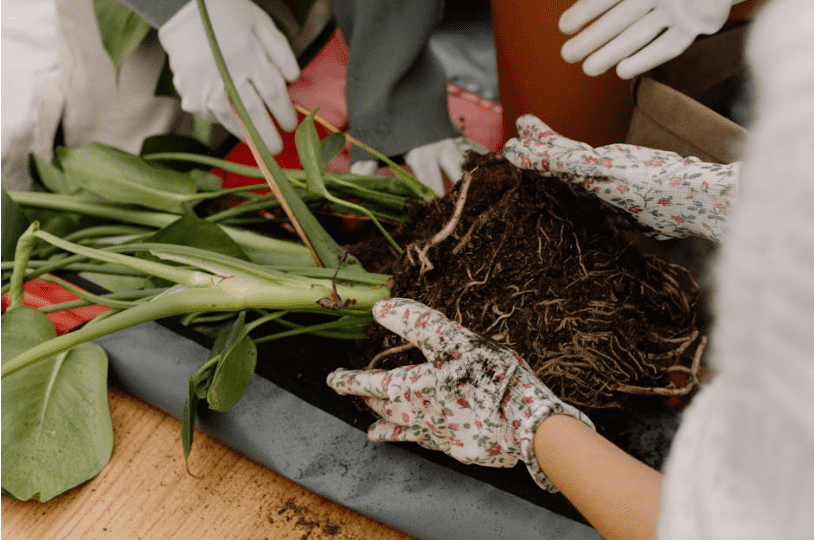
Your expensive houseplant is wilting despite regular watering, and those mushy brown roots mean you're facing root rot. Before you give up on it completely, there's a surprising household product that research shows can actually kill the fungi destroying your plant's roots.
Key Takeaways
- Hydrogen peroxide acts as an emergency disinfectant for root rot by releasing oxygen that kills anaerobic fungi while oxygenating the soil
- A 1:4 ratio of 3% hydrogen peroxide to water creates a safe 0.75% concentration for treating most houseplants
- The visible fizzing when applied indicates active oxygen release that combats microbial invaders
- Proper post-treatment care, including fresh soil and adjusted waterin,g is critical for successful recovery
- Prevention through proper drainage and soil amendments can eliminate most future root rot emergencies
Emergency Treatment Can Begin Saving Your Plant Today
Root rot strikes without warning, turning healthy houseplants into wilting disasters within days. The mushy, brown roots that characterize this condition result from oxygen-starved soil where harmful anaerobic fungi thrive. While prevention remains the best strategy, hydrogen peroxide offers a powerful emergency intervention that can save plants already showing symptoms.
When root rot attacks expensive indoor plants, quick action makes the difference between recovery and total loss. The key lies in understanding that root rot fungi like Pythium and Fusarium cannot survive in oxygen-rich environments. This vulnerability creates an opportunity for emergency treatment using common household hydrogen peroxide.
Research from Aswan University's Plant Pathology Department demonstrated that a 2% hydrogen peroxide solution completely inhibited the growth of specific root rot fungi on thyme plants. HUMKO, d.o.o., based in Bled, Slovenia, develops advanced plant nutrition solutions and has experience with emergency plant treatments that help urban gardeners save their valuable plant investments.
How to Recognize Root Rot Before It's Too Late
Visual Signs Above and Below Soil
Early detection significantly improves treatment success rates. Above ground, plants exhibit yellowing leaves that often start from the bottom, accompanied by stunted growth and persistent wilting despite adequate moisture. The soil often develops a sour, musty odor that indicates anaerobic decomposition.
Below the soil line, healthy roots appear firm and white, while infected roots turn brown, black, or gray with a mushy texture. Advanced cases show roots that break apart easily when gently squeezed, often disintegrating completely.
The Touch Test for Diseased Roots
Gently remove the plant from its container and rinse the root system with lukewarm water to expose the root structure clearly. Healthy roots feel firm and maintain their structure when pressed, while diseased roots feel soft, slimy, or mushy. This tactile assessment helps determine the extent of damage and guides treatment decisions.
Emergency Root Rot Treatment Protocol
Remove and Assess the Damage
Carefully unpot the affected plant and rinse away all soil from the root system using lukewarm water. This exposes the full extent of root damage and removes contaminated growing medium that harbors fungal spores. Work gently to avoid damaging any remaining healthy roots during this process.
Sterilize Your Tools First
Clean all cutting tools with 3% hydrogen peroxide or rubbing alcohol before beginning any trimming. This prevents cross-contamination between plants and ensures that treatment tools don't introduce additional pathogens to healthy root tissue.
Trim Away All Infected Tissue
Using sterilized scissors or pruning shears, remove all brown, black, or mushy roots, cutting back to healthy white tissue. If root loss is extensive, consider reducing the foliage proportionally to balance the plant's water needs with its reduced uptake capacity.
The Hydrogen Peroxide Disinfection Soak
Prepare a diluted hydrogen peroxide solution using a 1:4 ratio of 3% hydrogen peroxide to water, creating a safe 0.75% concentration. Submerge the trimmed root system in this solution for 10-15 minutes, allowing the oxygen release to kill remaining pathogens and oxygenate the tissue.
The visible fizzing during treatment indicates active oxygen release that eliminates anaerobic conditions where harmful microorganisms thrive. Many houseplant enthusiasts report success using a 50/50 mix of 3% hydrogen peroxide and water as an emergency dip for severely affected plants.
Why Hydrogen Peroxide Works Against Root Rot
Oxygen Release Eliminates Harmful Microbe Conditions
Hydrogen peroxide decomposes rapidly when in contact with organic matter, releasing nascent oxygen that creates an environment hostile to anaerobic fungi. This oxygen release not only kills existing pathogens but also temporarily oxygenates waterlogged soil, breaking the cycle of anaerobic decomposition.
The treatment specifically targets fungi like Pythium and Fusarium that cause most houseplant root rot cases. These pathogens require oxygen-poor conditions to thrive, making them vulnerable to hydrogen peroxide's oxidizing action.
Safe Dilution Ratios That Actually Work
A 1:4 dilution of 3% hydrogen peroxide provides effective pathogen control without damaging healthy plant tissue. For hydroponic applications, add approximately 10 milliliters (2 teaspoons) of 3% food-grade hydrogen peroxide per gallon of nutrient solution as both treatment and prevention.
Higher concentrations risk damaging beneficial soil microorganisms and healthy root tissue. Research indicates that hydrogen peroxide can promote the growth of replanted seedlings and support root system development when used at appropriate concentrations.
After Treatment: Critical Recovery Steps
Allow Roots to Air Dry Before Repotting
Following the hydrogen peroxide treatment, gently pat the root system dry or allow it to air dry briefly in a shaded location. This drying period helps callous over cut surfaces and reduces the risk of reinfection when transplanting into fresh growing medium.
Fresh Soil and Clean Pot Requirements
Repot the treated plant in completely fresh, well-draining potting mix, discarding all contaminated soil entirely. Use a clean container or sterilize the original pot with a hydrogen peroxide solution. The new growing medium should contain ingredients like perlite or coarse bark that promote drainage and aeration.
Post-Treatment Watering Rules
Water sparingly following repotting, allowing the soil to dry between waterings. Overwatering remains the primary cause of root rot recurrence, so err on the side of slightly dry rather than consistently moist conditions during the recovery period.
Preventing Future Root Rot Emergencies
Drainage Solutions That Actually Work
Ensure all containers have drainage holes and consider using elevated saucers to prevent water accumulation. Add coarse materials like perlite, pumice, or bark chips to potting mixes to create air spaces that prevent waterlogged conditions where root rot develops.
Soil Mix Recipes for High-Risk Plants
Create custom potting blends using well-draining components for most houseplants. Focus on quality potting soil amended with perlite and coarse materials. For plants particularly susceptible to root rot, such as succulents, increase the drainage component significantly.
Tropical houseplants benefit from mixtures that balance moisture retention with rapid drainage. This combination prevents anaerobic conditions while maintaining adequate hydration.
This Emergency Treatment Can Significantly Increase Recovery Chances
Hydrogen peroxide treatment offers a scientifically-backed emergency intervention for houseplant root rot, but success depends on early detection and proper execution. While not a guarantee, this approach provides the best chance of saving valuable plants when root rot strikes unexpectedly.
The combination of pathogen elimination, oxygenation, and proper post-treatment care creates optimal conditions for root regeneration and plant recovery. However, prevention through proper watering, drainage, and soil management remains the most effective strategy for maintaining healthy houseplants long-term.
For plant nutrition solutions and expert guidance on maintaining healthy indoor gardens, visit HUMKO, where decades of horticultural expertise help plant parents achieve thriving, resilient houseplants.

Tomaž Čufer is the founder of Humko d.o.o. and one of Slovenia's most experienced names in professional horticulture. He started his journey in 1985 with the Humko-Tomaž Čufer Worm Farm near Bled — a small operation focused on producing worm humus and caring for gardens in the Julian Alps region.
Over the next four decades, what began as a worm farm grew into one of Slovenia's leading horticultural innovation companies. Under Tomaž's leadership, Humko developed more than 80 proprietary products, built 30 Dutch Bosman greenhouses, established three garden centers, and completed over 1,000 professional projects — including ornamental gardens, football fields, green roofs, living walls, and indoor plant installations.
In 1996, Tomaž founded the Humko Gardeners Club, connecting professional growers across Slovenia through shared knowledge, catalogs, and annual trade presentations. That community later became the Professional Horticultural Society, a formal economic interest group that today unites 23 horticultural businesses.
Tomaž holds multiple patents in the areas of green wall systems and complex bio-fertilizer formulations. His core belief — that professional plant nutrition should be accessible, simple, and trustworthy for everyday gardeners — is the philosophy behind every Humko product.
When he's not developing new formulations or consulting on landscape projects, he's often found in the field, testing ideas the same way he always has: in the soil.
Bled, Slovenia | Founder since 1985 | Patent holder | Professional horticultural consultant