
Houseplant Fertilizer Schedule: Weekly Half-Strength Liquid Feeding
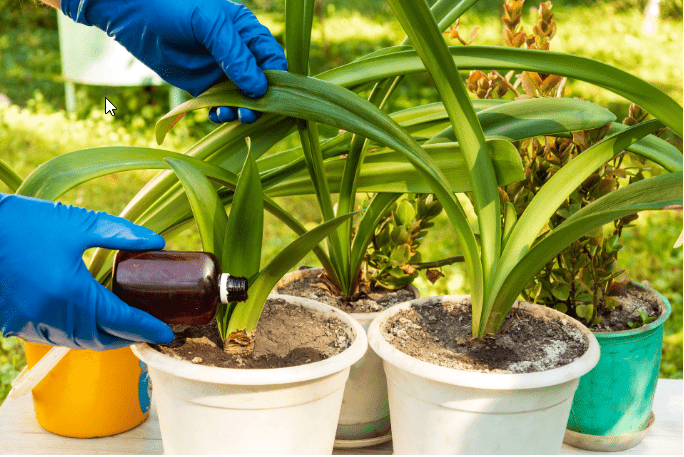
Most plant parents make the same fertilizing mistake: either skipping it entirely or overwhelming their houseplants with full-strength doses. The secret to thriving indoor plants lies in a counterintuitive approach that prevents root burn and mimics how plants actually absorb nutrients in confined spaces.
Key Takeaways:
- Weekly half-strength liquid fertilizer prevents root burn and salt buildup better than infrequent full-strength applications
- Indoor plants need gentler feeding due to lower light conditions and confined root systems compared to outdoor plants
- Seasonal adjustments are crucial: weekly feeding in spring/summer, bi-weekly in fall, and monthly or paused feeding in winter
- Monthly plain water flushing removes accumulated salts and prevents over-fertilization damage
- Different plant types require adjusted intervals while maintaining the same dilution ratio for safety
The difference between thriving houseplants and struggling ones often comes down to a simple feeding strategy that most plant parents get wrong. While many gardeners either skip fertilizing entirely or overwhelm their plants with full-strength doses, the sweet spot lies in consistent, gentle nutrition that matches how indoor plants actually grow.
Weekly Half-Strength Fertilizer Prevents Root Burn and Salt Buildup
Half-strength liquid fertilizer applied weekly creates a steady nutrient supply without the dramatic peaks and valleys that stress plant roots. This approach prevents the feast-or-famine cycle that occurs with monthly full-strength applications, where plants gorge on nutrients briefly then starve until the next feeding.
Salt accumulation becomes a serious problem when concentrated fertilizers sit in potting soil week after week. The white crusty residue that forms on soil surfaces and pot rims indicates dangerous mineral buildup that can actually pull moisture from plant roots through osmotic pressure. Professional-grade fertilization systems from companies like HUMKO have long recognized that controlled-release nutrition prevents these salt spikes while maintaining consistent plant health.
Root burn manifests as brown leaf tips, yellowing edges, and stunted growth—symptoms often mistaken for under-watering or disease. By diluting liquid fertilizer to half the recommended strength, gardeners eliminate the risk of chemical burn while still providing essential nutrients plants need for steady development.
Why Half-Strength Beats Full-Strength for Indoor Plants
Lower Light Conditions Require Gentler Feeding
Indoor plants operate at a slower metabolic rate than their outdoor counterparts due to reduced light intensity. Even near a bright window, most houseplants receive significantly less photon energy than they would outdoors, which directly impacts their ability to process nutrients efficiently.
When plants can't photosynthesize at full capacity, excess nutrients become toxic rather than beneficial. The unused minerals accumulate in soil and leaf tissues, creating the perfect conditions for root damage and nutrient lockout. Half-strength solutions match the plant's reduced appetite, ensuring every molecule of fertilizer serves a purpose rather than becoming waste.
Confined Root Systems Can't Handle Full Doses
Container-grown plants face unique challenges that field-grown plants never encounter. Limited soil volume means nutrients concentrate quickly, and there's nowhere for excess salts to migrate as they would in open ground. A 6-inch pot contains significantly less growing medium than a garden bed, intensifying every feeding decision.
Potted plants also depend entirely on their caregivers for nutrition—they can't extend roots into surrounding soil when local nutrients become depleted or toxic. This confined environment demands precision, making diluted weekly feedings far safer than gambling with full-strength monthly applications that could damage the entire root system.
Consistent Small Meals Prevent Feast-or-Famine Cycles
Plants thrive on predictability, just like any living organism. Weekly half-strength feedings create a stable nutrient baseline that supports steady growth without shocking the plant's system. This consistency becomes especially important during active growing seasons when plants rapidly develop new leaves, stems, and roots.
The feast-or-famine approach stresses plants by forcing them to adapt repeatedly to changing nutrient levels. One week they're flooded with nitrogen, causing explosive but weak growth, then they spend three weeks gradually depleting soil nutrients until the next heavy feeding. This rollercoaster pattern produces leggy, vulnerable plants that struggle with pest resistance and environmental stress.
The Complete Weekly Feeding Schedule
1. Spring and Summer: Weekly Half-Strength Applications
Begin weekly feeding when days noticeably lengthen and new growth appears, typically as spring arrives. During peak growing season, most houseplants can handle and benefit from consistent weekly nutrition as their metabolic activity reaches its highest point of the year.
Mix liquid fertilizer to exactly half the label recommendation—if the package suggests 2 teaspoons per gallon, use only 1 teaspoon. Water the soil lightly with plain water first, then apply the diluted fertilizer solution until it drains from the bottom holes. This pre-watering step prevents fertilizer from shocking dry roots and ensures even distribution throughout the root zone.
Heavy feeders in bright locations may benefit from an additional mid-week half-strength dose during summer months. Monitor plants for signs of robust growth and deep green coloration as indicators that the feeding schedule matches their needs.
2. Fall: Bi-Weekly Reduced Feeding
As daylight hours shorten and temperatures cool, plant metabolism naturally slows down. Reduce feeding frequency to every two weeks while maintaining the same half-strength dilution ratio. This adjustment prevents nutrient buildup as plants enter their dormancy preparation phase.
Fall feeding supports plants through the transition period while avoiding the excess nutrition that can interfere with natural dormancy cycles. Many houseplants use this time to strengthen existing growth rather than produce new leaves, requiring less nitrogen but still benefiting from phosphorus and potassium for root health and disease resistance.
3. Winter: Monthly or Paused Feeding
Most houseplants slow dramatically or stop growing entirely during the winter months. In low-light conditions, continue with monthly half-strength applications, or pause feeding completely if plants show no new growth for 4-6 weeks.
Plants under supplemental grow lights may maintain more active growth and can handle bi-weekly feeding throughout winter. However, always err on the side of caution—over-feeding dormant plants is far more dangerous than allowing them to rest without additional nutrition until spring growth resumes.
Preventing Salt Accumulation and Over-Fertilization
Monthly Plain Water Flushing Removes Excess Salts
Even with proper dilution, mineral salts gradually accumulate in potting soil from both fertilizer and tap water. Monthly flushing with plain water dissolves and removes these buildups before they reach harmful concentrations. Pour water slowly until approximately one-third of the pot's volume drains from the bottom, carrying dissolved salts away from the root zone.
Use filtered, distilled, or rainwater for flushing if local tap water is particularly hard or high in dissolved minerals. The runoff water should ideally run clear by the end of the flush; cloudy or colored drainage indicates that accumulated salts and other substances are being leached from the soil. Skip the next scheduled fertilizer application after flushing to allow plants to utilize remaining soil nutrients before resuming the weekly schedule.
Recognizing Over-Fertilization Warning Signs
Over-fertilization symptoms develop gradually, making early detection crucial for plant recovery. Brown or yellow leaf tips appear first, followed by overall leaf yellowing, stunted growth despite adequate light and water, and the characteristic white crust formation on soil surfaces.
Severely over-fertilized plants may exhibit leaf curl, premature leaf drop, or a general failure to thrive despite seemingly perfect care. Roots examined during repotting often appear brown or mushy rather than white and firm, indicating damage. In severe cases, the soil may also develop an unusual odor.
When over-fertilization occurs, immediately flush the soil thoroughly with plain water, remove any visible salt crusts, and pause all feeding for 2-3 weeks. Resume with a more diluted solution (quarter-strength) until the plant produces healthy new growth, then gradually return to the half-strength weekly schedule.
Application Tips for Different Plant Types
Leafy Tropicals: Weekly Balanced Nutrition
Pothos, philodendrons, monsteras, and similar aroids respond excellently to weekly half-strength feeding with balanced fertilizers like 10-10-10 or 20-20-20. These fast-growing plants utilize nitrogen efficiently for leaf production while benefiting from consistent phosphorus and potassium for root development and overall plant structure.
Focus on fertilizers with readily available nitrogen forms rather than slow-release granules, as these tropical plants prefer immediate nutrient access during active growth. Maintain soil moisture between feedings, as dry conditions can intensify fertilizer concentration and cause root damage even with properly diluted solutions.
Succulents: Extended Intervals with Same Dilution
Cacti and succulents require the same half-strength dilution but at extended intervals of 2-4 weeks during their active growing season. These drought-adapted plants store nutrients in their tissues and process them slowly, making frequent feeding both unnecessary and potentially harmful.
Apply fertilizer only when the soil is completely dry, then water thoroughly until drainage occurs. Allow the soil to dry completely between fertilizer applications, as these plants are particularly susceptible to root rot when nutrients combine with consistently moist conditions. Pause all feeding during the winter months when most succulents enter dormancy.
Flowering Plants: Adjusted NPK Ratios
African violets, peace lilies, geraniums, and other flowering houseplants benefit from fertilizers with slightly higher phosphorus content (such as 15-30-15) while maintaining the half-strength dilution principle. The extra phosphorus supports bud formation and flower development without encouraging excessive vegetative growth.
Continue weekly feeding throughout the blooming season, then reduce to bi-weekly applications during rest periods between flowering cycles. Remove spent blooms promptly to encourage continued bud production and prevent the plant from diverting energy to seed production rather than new flowers.
Slow-Release Options Have Trade-Offs for Indoor Plants
Temperature-Controlled Release May Be Too Strong Indoors
Slow-release fertilizer pellets and tablets release nutrients based on soil temperature and moisture levels, which can create unpredictable feeding patterns in indoor environments. Heating systems can cause these products to release nutrients faster than expected, while air conditioning may slow the release below plant needs.
Indoor temperature fluctuations—from sunny windowsills that heat up during the day to cooler nighttime conditions—can cause erratic nutrient release that's difficult to control or predict. This variability makes it challenging to maintain the consistent, gentle nutrition that houseplants prefer.
Limited Control Over Nutrient Timing and Dosage
Once slow-release fertilizers are incorporated into soil, there's no way to adjust dosage, pause feeding during plant stress, or flush excess nutrients if problems develop. This lack of control becomes problematic when plants experience transplant shock, pest infestations, or seasonal growth changes that require modified nutrition.
Liquid fertilizers offer complete control over timing, concentration, and application, allowing caregivers to respond immediately to changing plant needs. The ability to skip feedings, increase dilution, or flush the soil provides flexibility that pre-formulated slow-release products simply cannot match in indoor growing situations.
How Humko's Approach Fits In
Professional horticultural companies have developed sophisticated controlled-release systems that address many traditional slow-release fertilizer limitations. These advanced formulations combine multiple nutrient sources with biological activators, creating more predictable and plant-friendly feeding systems for both professional and home applications.
Modern controlled-release technologies incorporate beneficial microorganisms and organic matter that buffer nutrient release while improving soil health. This biological approach more closely mimics natural soil ecosystems, providing steady nutrition without the salt buildup and root damage associated with conventional synthetic fertilizers.
For apartment dwellers and urban jungle enthusiasts seeking professional-grade plant nutrition without the complexity, HUMKO offers specialized fertilizer solutions that simplify indoor gardening while delivering reliable results.

The Humko Plant Health Expert Team is a group of horticultural scientists, soil biologists, and professional gardeners based in Bled, Slovenia. With roots going back to 1985, our team brings together nearly four decades of hands-on research in mycorrhizal biology, humic acid chemistry, substrate science, and professional plant nutrition.
We've worked on over 1,000 projects — from Dutch-style commercial greenhouses and golf courses to vertical green walls, ornamental gardens, and urban rooftop installations. Our formulas have been field-tested in the most demanding growing environments on earth before we ever offered them to home gardeners.
Everything we publish is grounded in real science and real growing experience. We don't repeat what's already on the bag — we explain why plants behave the way they do, and what actually makes a difference in the soil. Our goal is simple: help you grow plants that don't just survive, but thrive — with less guessing and less anxiety.
Based in Slovenia | EU-certified products | 40 years of professional horticulture