
Why Professional Greenhouse Tech Stabilizes Indoor Lemon Root Zones
Are you stuck in the endless cycle of feeding your plants every week, only to watch them struggle with yellowing leaves and pest problems? Research shows that up to 60% of traditional fertilizer never even reaches plant roots—and that feast-famine pattern might be exactly why your garden keeps disappointing you.
Key Takeaways
- Manual plant feeding creates dangerous feast-famine cycles that stress plants and make them vulnerable to pests and diseases
- Fertigation delivers nutrients precisely when plants need them, matching plant metabolism to growing conditions
- Hydrogel technology creates water reservoirs while mycorrhizal networks expand nutrient uptake capacity
- Temperature-responsive coatings and calibrated release systems significantly reduce plant failures and associated costs by providing optimal nutrition
- Advanced controlled-release fertilizer technologies offer "plant once, feed once" convenience for extended periods
Home gardeners often struggle with the boom-bust cycles of plant nutrition. One week, plants receive a heavy dose of fertilizer, the next, they're starving as nutrients leach away or become locked in the soil. This inconsistent feeding pattern mirrors the challenges many face when trying to maintain healthy, thriving plants in containers and garden beds.
Manual Feeding Creates Dangerous Feast-Famine Cycles
Traditional manual fertilisation creates a rollercoaster of nutrient availability that weakens plants over time. When gardeners apply granular fertilisers or liquid feeds, plants experience an immediate surge of available nutrients—particularly nitrogen—that triggers rapid, often unbalanced growth. This "sugar rush" effect produces lush, soft foliage that attracts pests and lacks structural integrity.
Within days or weeks, these readily available nutrients either leach away through watering or become chemically bound to soil particles. Plants then enter a period of deficiency, slowing growth and reducing their ability to resist environmental stresses. Research from agricultural extension services shows that this feast-famine pattern makes plants significantly more susceptible to fungal diseases, insect damage, and drought stress.
The problem compounds in container gardens, where nutrients wash away even faster. HUMKO's specialists have documented how traditional feeding schedules often leave plants malnourished for significant portions of the growing season, despite regular applications.
Fertigation Delivers Nutrients When Plants Actually Need Them
Fertigation—the practice of delivering fertilizers through irrigation systems—synchronizes nutrient availability with plant demand. Unlike broadcast fertilisation that floods the root zone with nutrients regardless of plant needs, fertigation provides measured doses that align with growth cycles and environmental conditions.
Dynamic Adjustments Based on Growth Conditions
Modern fertigation systems can be programmed to adjust nutrient delivery based on soil temperature, moisture levels, and seasonal growth patterns. When soil temperatures rise and plant metabolism accelerates, controlled-release fertilizers used within fertigation systems respond by increasing nutrient release proportionally. During cooler periods when root activity slows, fertigation systems can be programmed to reduce delivery to prevent accumulation and root burn.
This responsive approach means plants receive optimal nutrition throughout their development cycle. Spring transplants get gentle establishment feeding, summer growth periods receive increased nitrogen and potassium, and autumn preparations reduce feeding to encourage proper dormancy preparation.
Root Zone Precision vs. Surface Broadcasting
Traditional surface application wastes significant amounts of fertiliser through surface runoff and placement away from active roots. Fertigation delivers nutrients directly to the rhizosphere—the biologically active zone surrounding roots where nutrient exchange occurs most efficiently.
This precision placement increases nutrient use efficiency by 30-50% compared to broadcast methods. Plants can access fertiliser elements immediately upon release, reducing the lag time between application and uptake that characterises surface feeding methods.
The Science Behind Controlled-Release Systems
1. Hydrogel Technology Creates Water Reservoirs
Hydrogels represent a breakthrough in water management for plant nutrition. These super-absorbent polymers can hold up to 100 times their weight in water, creating microscopic reservoirs throughout the growing medium. As soil moisture decreases, hydrogels gradually release stored water and dissolved nutrients directly to root zones.
The technology prevents the rapid wet-dry cycles that stress container plants and cause nutrient leaching. Studies demonstrate that hydrogel-amended substrates reduce watering frequency by up to 50% while maintaining consistent moisture levels that support steady nutrient uptake.
2. Mycorrhizal Networks Expand Uptake Capacity
Mycorrhizal fungi form symbiotic relationships with plant roots, significantly extending the effective root system beyond its natural reach. These fungal networks access soil volumes and nutrients that plant roots cannot reach independently, particularly in container environments where root expansion is limited.
The fungi trade soil nutrients for plant carbohydrates, creating an efficient biological marketplace that buffers plants against nutrient deficiencies. Research shows that mycorrhizal inoculation can improve nutrient uptake efficiency and plant resilience, potentially reducing fertilizer needs while improving plant stress tolerance and disease resistance.
3. Temperature-Responsive Coatings Match Plant Metabolism
Advanced controlled-release fertilisers use polymer coatings that respond to soil temperature changes. These semi-permeable membranes allow nutrient diffusion rates to increase significantly with rising soil temperatures, naturally matching fertiliser release to plant metabolic activity.
Cool spring conditions slow nutrient release when young plants need gentle feeding for establishment. Summer heat accelerates release during peak growing periods when plants can process higher nutrient levels. This biological synchronisation prevents both deficiency stress and toxicity problems.
Why Traditional Fertilisers Cause More Harm Than Good
Rapid Unbalanced Growth Weakens Plant Structure
Fast-release nitrogen fertilisers stimulate rapid cell division and expansion, producing soft, watery tissues with reduced structural strength. Plants grown with excessive quick-release nitrogen develop longer internodes, thinner cell walls, and higher water content, which makes them vulnerable to physical damage and disease penetration.
This "forced" growth pattern depletes plant energy reserves and reduces the production of defensive compounds. Plants become dependent on continuous high nitrogen levels to maintain their artificially stimulated growth rate, creating dependency cycles that require increasingly frequent applications.
Leaching Wastes Money and Harms the Environment
Conventional fertilisers applied to the soil surface face significant losses through leaching, especially in sandy soils or frequent irrigation conditions. Nitrogen compounds can contaminate groundwater, while phosphorus runoff contributes to water body eutrophication.
Economic analysis reveals that up to 60% of broadcast fertiliser applications never reach plant roots, representing substantial waste of gardening budgets. Container gardens experience even higher losses, with nutrients washing out drainage holes after heavy watering or rainfall.
Professional Results with Advanced Tablet Technology
Plant Once, Feed Once for Extended Periods
Advanced controlled-release fertilizer technologies combine hydrogel water storage, controlled-release nutrition, and biological soil amendments in a single application. These biodegradable systems provide complete plant nutrition for extended periods, depending on soil conditions and plant requirements.
The systems eliminate the guesswork and timing challenges of manual feeding schedules. Gardeners simply place tablets near root zones at planting time, then focus on proper watering and plant care without worrying about fertiliser timing or dosage calculations.
Greenhouse-Grade Performance for Home Gardens
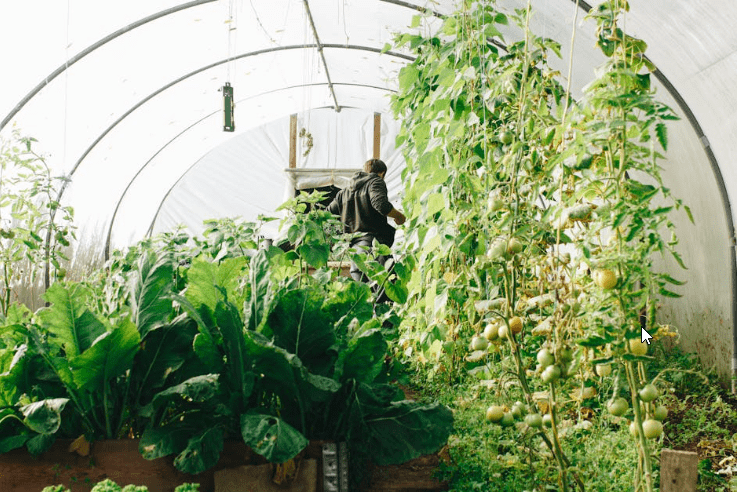
Professional greenhouse operations have used controlled-release fertigation for decades to achieve consistent, predictable plant performance. Advanced controlled-release fertilizer technologies adapt these commercial principles for home garden applications, providing the same biological advantages in convenient tablet form.
The system has proven particularly effective for high-value plantings like hedge installations, where fertigation significantly improves establishment success rates and reduces plant loss compared to traditional fertilisation methods.
Calibrated Systems Prevent Common Plant Failures
Inconsistent or inadequate nutrition is a major contributing factor to many plant health problems, rather than watering mistakes or pest pressures. Calibrated fertigation addresses root causes of common failures: nutrient deficiency stress that weakens disease resistance, drought sensitivity from poor root development, and transplant shock from disrupted feeding patterns.
Container gardens benefit particularly from fertigation approaches, as the limited soil volume makes conventional fertiliser applications ineffective. Hanging baskets, balcony plants, and potted vegetables thrive when nutrition delivery matches their intensive growing conditions and rapid moisture fluctuations.
Professional landscapers report dramatically improved establishment success rates and reduced maintenance requirements when controlled-release systems replace traditional fertilisation schedules. Plants develop stronger root systems, better drought tolerance, and more consistent flowering or fruiting performance throughout the growing season.
For reliable, professional-grade plant nutrition that eliminates feeding cycles and ensures consistent results, visit HUMKO's range of controlled-release fertilisation solutions designed for home gardeners seeking greenhouse-quality performance.

The Humko Plant Health Expert Team is a group of horticultural scientists, soil biologists, and professional gardeners based in Bled, Slovenia. With roots going back to 1985, our team brings together nearly four decades of hands-on research in mycorrhizal biology, humic acid chemistry, substrate science, and professional plant nutrition.
We've worked on over 1,000 projects — from Dutch-style commercial greenhouses and golf courses to vertical green walls, ornamental gardens, and urban rooftop installations. Our formulas have been field-tested in the most demanding growing environments on earth before we ever offered them to home gardeners.
Everything we publish is grounded in real science and real growing experience. We don't repeat what's already on the bag — we explain why plants behave the way they do, and what actually makes a difference in the soil. Our goal is simple: help you grow plants that don't just survive, but thrive — with less guessing and less anxiety.
Based in Slovenia | EU-certified products | 40 years of professional horticulture