
First-Year Fruit Tree Survival Rate Tablets? Near 0% Loss Explained
Up to 30% of newly planted fruit trees don't survive their first year—but there's a science-backed planting technique that's bringing survival rates close to zero loss. The secret lies in how and when nutrients reach vulnerable roots during those critical first twelve months.
Key Takeaways
- Newly planted fruit trees face mortality rates as high as 20-30% in their first year due to transplant shock, inadequate watering, and nutrient deficiencies
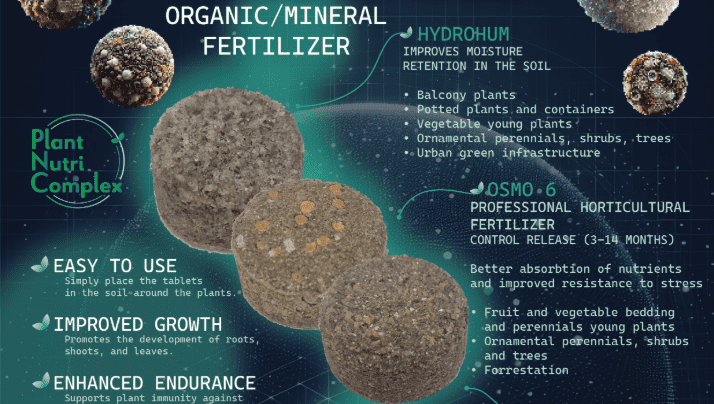
- Controlled-release fertiliser tablets provide steady nutrition for 3-14 months, significantly improving first-year establishment rates compared to traditional fertilisation methods
- Professional-grade planting tablets combine temperature-responsive nutrient release with biological soil enhancement to create optimal root establishment conditions
- Strategic placement and consistent irrigation maximise tablet effectiveness across different climatic conditions throughout Europe
The first year after planting determines whether your expensive fruit tree investment thrives or becomes another costly failure. Traditional approaches to feeding newly planted trees often leave critical gaps in nutrition precisely when trees are most vulnerable, but breakthrough tablet technology is changing establishment rates dramatically.
The Critical First-Year Survival Problem
Young fruit trees face an uphill battle during their initial establishment period. Research indicates that newly planted fruit trees can experience mortality rates between 20-30% in their first year due to various environmental stresses and care challenges. The primary culprits include transplant shock, which disrupts the delicate root system's ability to absorb water and nutrients effectively.
Inadequate watering compounds these problems, especially during summer heat waves when consistent moisture becomes critical for survival. Many homeowners struggle with maintaining optimal soil moisture levels, either overwatering and causing root rot or allowing dangerous dry periods that stress already vulnerable trees. Nutrient deficiencies add another layer of complexity, as young trees require steady, balanced nutrition to develop robust root systems and establish strong growth patterns.
Traditional fertilisation methods often fail during this critical period because they either deliver nutrients too quickly, causing root burn, or wash away before trees can utilise them effectively. The result is expensive trees that struggle through their first season, often succumbing to stress factors that proper nutrition could have prevented. Professional-grade controlled-release planting tablets address these fundamental challenges by providing consistent, controlled nutrition release over extended periods.
How Controlled-Release Tablets Significantly Improve Establishment Rates
1. Temperature-Responsive Nutrient Release
Controlled-release fertiliser tablets feature sophisticated coating technologies that respond directly to soil temperature and moisture conditions. This intelligent release mechanism ensures nutrients become available precisely when trees can utilise them most effectively. During warmer growing periods, when metabolic activity increases, the coatings allow faster nutrient release to match heightened demand.
Conversely, during cooler periods when tree growth naturally slows, nutrient release decreases accordingly, preventing waste and potential root damage from excess salts. This temperature-responsive characteristic eliminates the guesswork from fertilisation timing whilst protecting against the boom-and-bust nutrition cycles that stress young trees.
2. Biological Soil Enhancement
Advanced planting tablets incorporate beneficial microorganisms, including nitrogen-fixing bacteria and phosphorus-mobilising fungi, which establish symbiotic relationships with tree roots. These biological components continue working long after the initial fertiliser nutrients are depleted, creating lasting improvements to soil fertility and structure.
Earthworm humus and mycorrhizal fungi included in premium formulations significantly expand the root zone's effective reach, dramatically improving water and nutrient uptake efficiency. This biological enhancement proves particularly valuable in challenging soil conditions common in suburban developments and renovated landscapes.
3. Extended 3-14 Month Feeding Cycle
Unlike conventional fertilisers requiring multiple applications throughout the growing season, controlled-release tablets provide continuous nutrition for three to fourteen months, depending on formulation. This extended feeding cycle eliminates the risk of missing critical fertilisation windows whilst reducing labour and potential application errors.
The steady nutrient supply supports consistent root development and helps trees build reserves for overwintering, significantly improving cold tolerance and spring vigour. Research demonstrates that trees receiving steady, long-term nutrition show markedly better establishment rates compared to those fed with traditional quick-release fertilisers.
The Science Behind Controlled-Release Success
Why Standard Fertilisers Fail Young Trees
Traditional granular fertilisers create sharp nutrient peaks immediately after application, followed by rapid depletion as nutrients leach away or become bound to soil particles. Young trees cannot effectively utilise these sudden surges, often resulting in luxury consumption of some nutrients whilst experiencing deficiencies in others.
Quick-release nitrogen, in particular, can cause vigorous shoot growth at the expense of root development, leaving trees with inadequate underground infrastructure to support their above-ground growth. This imbalance makes trees more susceptible to drought stress, wind damage, and winter injury. Additionally, concentrated salt levels from conventional fertilisers can damage tender feeder roots, further compromising establishment success.
Professional-Grade Formulations for Home Growers
Commercial nurseries and professional landscapers have long utilised controlled-release technologies to ensure consistent establishment success. These professional formulations feature balanced nutrient ratios specifically designed for woody plants, incorporating essential micronutrients often omitted from consumer products.
Professional tablets typically contain chelated micronutrients, which remain available to plants even in alkaline soils where iron, manganese, and zinc commonly become locked up. The inclusion of calcium and magnesium supports proper cell wall development, whilst carefully balanced NPK ratios promote both root and shoot growth without creating dangerous imbalances.
Practical Application for Diverse Climatic Conditions
1. Optimal Placement and Timing
Proper tablet placement proves crucial for maximising effectiveness. Tablets should be positioned approximately 10-15 centimetres away from the root ball and roughly 10 centimetres deep to avoid direct contact with tender roots whilst ensuring nutrients reach the developing root zone. Spring application before bud break provides optimal timing, allowing tablets to begin releasing nutrients as soil temperatures rise and growth commences.
For autumn plantings, tablets continue releasing nutrients throughout winter, ensuring trees have adequate nutrition available for early spring growth initiation. This timing proves particularly beneficial in regions with unpredictable spring weather, where delayed fertiliser applications might miss critical growth windows.
2. Optimising Effectiveness Through Consistent Irrigation
Controlled-release mechanisms depend on adequate soil moisture to function properly. Consistent irrigation ensures steady nutrient release whilst preventing the salt accumulation that can occur in dry soil conditions. Drip irrigation or soaker hoses provide ideal moisture management, delivering water directly to the root zone without wasting water on surrounding areas.
Mulching around newly planted trees helps maintain consistent soil moisture levels whilst suppressing competing weeds. Organic mulches gradually decompose, adding beneficial organic matter that works synergistically with tablet nutrients to improve overall soil conditions.
3. Dosage for Different Tree Types
Fruit tree species vary in their nutritional requirements, necessitating adjustments in tablet application rates. Apple and pear trees typically require balanced nutrition with moderate nitrogen levels to promote fruit production rather than excessive vegetative growth. Stone fruits like cherries and plums benefit from slightly higher potassium levels to support fruit quality and disease resistance.
Dwarf rootstocks generally require lower application rates than standard-sized trees, reflecting their reduced growth potential and smaller root systems. Container-grown trees need careful dosage calculation based on root ball size rather than canopy dimensions, as their confined root systems can be more sensitive to nutrient concentrations.
Investment Protection: Cost vs. Tree Replacement
Real-World Success Stories
Case studies show remarkable improvements in establishment success rates when professional-grade tablets are utilised. Homeowners who planted privacy hedging using controlled-release tablets at planting time report significantly higher survival rates compared to neighbouring plantings that experienced losses due to conventional fertilisation approaches.
Similarly, balcony gardeners using controlled-release nutrition report extended flowering periods lasting until frost, rather than the typical decline by mid-August associated with nutrient depletion in containers. These success stories highlight the economic wisdom of investing in premium nutrition to protect valuable plant investments.
Environmental Benefits
Controlled-release fertilisers significantly reduce nutrient runoff compared to conventional fertilisers, supporting environmental sustainability goals. The precise release mechanisms prevent excess nutrients from leaching into groundwater or washing into surface water bodies, reducing potential environmental impacts.
Lower application frequencies mean reduced packaging waste and transportation impacts, whilst the improved nutrient efficiency means less total fertiliser required over time. These environmental advantages align with increasing consumer awareness about sustainable gardening practices and responsible resource use.
Professional Plant Nutrition Now Available for Home Growers
The convergence of professional horticultural technology with consumer accessibility represents a significant advancement for home fruit tree growers. Products previously available only to commercial operations now come in appropriately sized packages for residential use, bringing professional-level results within reach of dedicated home gardeners.
This democratisation of professional plant nutrition technology empowers homeowners to achieve establishment success rates previously limited to commercial nurseries and landscaping professionals. The investment in premium nutrition tablets often pays for itself by eliminating the need for tree replacement and reducing long-term maintenance requirements.
For European homeowners seeking professional-grade plant nutrition solutions, specialised controlled-release tablets designed to maximise fruit tree establishment success whilst simplifying care requirements offer proven results backed by decades of horticultural research.
For more details, visit https://humko.eu

The Humko Plant Health Expert Team is a group of horticultural scientists, soil biologists, and professional gardeners based in Bled, Slovenia. With roots going back to 1985, our team brings together nearly four decades of hands-on research in mycorrhizal biology, humic acid chemistry, substrate science, and professional plant nutrition.
We've worked on over 1,000 projects — from Dutch-style commercial greenhouses and golf courses to vertical green walls, ornamental gardens, and urban rooftop installations. Our formulas have been field-tested in the most demanding growing environments on earth before we ever offered them to home gardeners.
Everything we publish is grounded in real science and real growing experience. We don't repeat what's already on the bag — we explain why plants behave the way they do, and what actually makes a difference in the soil. Our goal is simple: help you grow plants that don't just survive, but thrive — with less guessing and less anxiety.
Based in Slovenia | EU-certified products | 40 years of professional horticulture