
How to Apply PNC Tablets to Established Hedges Without Root Damage
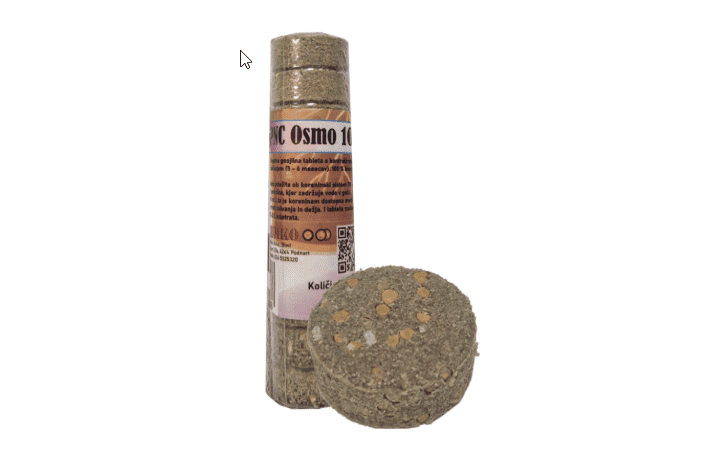
Most gardeners don't realize that fertilizing established hedges the wrong way can actually damage the root system you're trying to protect. The secret lies in precise tablet placement—but there's a specific zone you need to find first, and it's not where you think.
Key Takeaways:
- Professional-grade slow-release tablets protect established hedge roots by releasing nutrients gradually, eliminating the risk of fertiliser burn common with fast-release granular products
- Yellowing foliage, uneven growth patterns, and reduced density in 5-15-year-old hedges indicate nutrient deficiency requiring targeted fertilisation
- Proper tablet placement requires finding the drip line and positioning tablets a hand's width from stems at appropriate depths
- Common mistakes like clustering tablets together or combining with fast-release fertilisers can cause root damage in mature hedges
Why Professional-Grade Slow-Release Tablets Protect Established Hedge Roots
Established hedges face a unique challenge that many homeowners don't recognise: continuous nutrient depletion in a confined growing area. Hedges develop shallow, spreading root networks that extract nutrients from narrow soil strips, creating concentrated demand that quickly exhausts available resources. This depletion intensifies with competition from nearby lawns and trees, leaving mature hedges chronically undernourished despite appearing established.
Professional-grade slow-release tablets fundamentally differ from conventional granular fertilisers in their approach to nutrient delivery. Whilst fast-release products dump high concentrations of salts into the soil immediately, causing potential root burn, slow-release technology meters nutrients gradually over extended periods. This controlled release aligns with natural plant uptake patterns, providing steady nutrition without overwhelming delicate feeder roots.
The biological components found in advanced tablet formulations can add another layer of protection. Some professional-grade tablets incorporate beneficial bacteria and mycorrhizal fungi that form protective relationships with plant roots, enhancing nutrient absorption whilst creating natural barriers against pathogens that could exploit fertiliser-stressed plants.
Signs Your Established Hedge Actually Needs Fertilisation
Recognising nutrient deficiency in mature hedges requires understanding the subtle indicators that distinguish natural ageing from nutritional stress. These signs often develop gradually, making them easy to overlook until the deficiency becomes severe.
1. Yellowing or browning foliage despite adequate watering
When hedge foliage shifts from vibrant green to yellow or brown while soil moisture remains adequate, nitrogen deficiency is the likely culprit. This chlorosis typically begins with older, interior leaves as the plant redirects available nitrogen to new growth. Unlike drought stress, which affects entire sections uniformly, nutrient-related discolouration appears patchy and progressive.
2. Uneven or stunted growth patterns
Healthy hedges maintain consistent growth rates across their length, creating uniform density and height. Nutrient-deficient hedges develop irregular growth patterns, with some sections outpacing others or overall growth slowing dramatically. This inconsistency often reflects uneven nutrient distribution in the soil or varying root health along the hedge line.
3. Reduced density indicating nutrient deficiency
Established hedges should naturally thicken over time, developing dense branching that creates effective screening. When nutrient supplies diminish, hedges prioritise height over density, producing sparse, leggy growth with visible gaps. This response conserves limited resources but compromises the hedge's primary function.
4. Slower growth compared to newly planted sections
Mature hedges should continue growing steadily, albeit more slowly than juveniles. When established sections show markedly slower growth than recently planted additions receiving identical care, soil nutrient depletion becomes the most probable explanation. This comparison provides clear evidence of localised nutritional stress.
Locating the Safe Root Zone for Tablet Placement
Understanding hedge root architecture is crucial for safe fertiliser placement. While some trees develop deep taproot systems, many, like hedge plants, develop shallow, spreading root networks that extend well beyond the visible canopy. These feeder roots, responsible for nutrient absorption, concentrate in predictable zones that can be targeted safely.
Finding the drip line on established hedges
The drip line represents the ground area directly beneath a hedge's outermost foliage. For established hedges, feeder roots can extend significantly beyond this visible canopy edge, often 20-40 centimetres or more, varying with species and growing conditions. Feeder roots concentrate most densely within this zone, making it the optimal area for nutrient placement.
To locate the drip line accurately, stand at hedge level and observe where rainwater naturally falls from the outermost branches. This area receives maximum water infiltration and consequently develops the highest concentration of active roots. Mark these zones along the hedge length to guide tablet placement.
Avoiding the dangerous stem-adjacent area
The zone within 15-20 centimetres of hedge stems presents the highest risk for root damage during fertiliser application. This area contains structural roots rather than nutrient-absorbing feeder roots, and any fertiliser placed here creates concentrated salt loads that can burn these critical support systems.
Additionally, stems often have thin bark at the soil level, making them vulnerable to fertiliser burn if tablets dissolve nearby. Maintaining adequate distance from stems ensures that nutrients reach feeder roots without exposing structural components to potentially harmful concentrations.
Step-by-Step Root-Safe Application Method
A proper tablet application requires systematic preparation and precise execution to maximise effectiveness whilst eliminating root damage risks. This methodical approach ensures consistent results across the entire hedge length.
1. Prepare the hedge area and mark positions
Begin by thoroughly watering the hedge area 24 hours before application if soil appears dry. This pre-watering activates root systems and reduces their sensitivity to disturbance. Clear any surface debris, weeds, or mulch from the intended application zones to ensure clean working conditions.
Mark tablet positions along the hedge using biodegradable spray paint or stakes, spacing them according to product recommendations, typically 40-50 centimetres apart for normal maintenance or 30-40 centimetres for hedges showing deficiency symptoms. Position these marks at the drip line, maintaining a consistent distance from stems throughout the hedge length.
2. Create proper-depth holes a hand's width from stems
Using a narrow soil auger, planting bar, or sturdy screwdriver, create vertical holes 5-10 centimetres deep in average soil conditions, extending to 15-20 centimetres in sandy or loose soils. The hole diameter should accommodate tablets without crushing whilst allowing easy backfilling.
Maintain the hand's width rule: position each hole approximately 15-20 centimetres from the nearest stem. This distance places tablets within the active root zone whilst preventing direct contact with structural roots or stem tissue.
3. Place tablets and backfill correctly
Drop one tablet per hole without crushing or breaking the coating, as damage compromises the controlled-release mechanism. Avoid placing multiple tablets in a single hole, as this creates nutrient hot spots that can overwhelm local root systems.
Backfill each hole completely with the original soil, firming gently to eliminate air pockets whilst maintaining natural soil structure. Proper backfilling prevents tablet exposure to light, pets, and children whilst ensuring optimal moisture contact for activation.
4. Water thoroughly to activate the slow release
Apply deep watering immediately after tablet placement to initiate the dissolution process and begin nutrient movement into the surrounding soil. This initial watering creates the moisture conditions necessary for controlled release whilst helping nutrients penetrate the active root zone.
Continue regular watering according to normal hedge maintenance schedules. The tablets will continue releasing nutrients with each watering cycle, providing sustained nutrition throughout the growing season.
Common Root Damage Mistakes to Avoid
Even with proper technique, specific mistakes can compromise hedge health and reduce fertiliser effectiveness. Understanding these common errors helps prevent costly damage to established plantings.
Exercise caution when combining with fast-release fertilisers
The most dangerous mistake involves combining slow-release tablets with fast-acting granular fertilisers in the same root zone. This combination creates unpredictable nutrient concentrations that can overwhelm hedge roots, particularly during periods of high moisture when both products are released simultaneously.
If supplemental feeding seems necessary, apply granular products as surface applications away from tablet locations, never in the same holes. This separation allows controlled management of nutrient timing and prevents dangerous concentration spikes.
Avoid clustering multiple tablets together
Clustering tablets creates localised nutrient hot spots that exceed root absorption capacity, leading to salt accumulation and potential burn damage. Even slow-release products can cause problems when concentrated inappropriately, as their cumulative output overwhelms local soil chemistry.
Maintain proper spacing between tablets, following recommended distances even in areas showing severe deficiency symptoms. Consistent, even distribution provides superior results compared to concentrated applications.
Expected Timeline and Long-Term Hedge Health Benefits
Understanding the timeline for visible improvements helps set realistic expectations whilst recognising the long-term value of professional-grade nutrition. Unlike fast-acting fertilisers that show immediate but temporary results, slow-release systems work gradually to build sustainable hedge health.
Initial changes become apparent within 4-6 weeks of application, beginning with subtle improvements in foliage colour and density. New growth appears more vigorous and uniformly green, whilst existing foliage develops deeper, richer colouration. These early indicators signal successful nutrient uptake and improved plant metabolism.
Long-term benefits develop over multiple growing seasons, creating cumulative improvements in hedge performance. Properly nourished hedges develop superior drought tolerance, improved winter hardiness, and enhanced resistance to pest and disease pressure. Dense, healthy growth provides better screening whilst requiring less remedial care over time.
Some Professional-Grade Tablets Provide Up to Two Years of Nutrition
Some advanced tablet formulations offer extended release cycles, providing sustained nutrition for well beyond a single growing season, potentially up to two years. These long-lasting nutrition cycles can align perfectly with hedge management schedules, allowing homeowners to apply tablets during major maintenance periods rather than remembering multiple feeding dates. This convenience factor, combined with superior plant performance, makes professional-grade tablets an investment in both hedge health and management simplicity.
The sustained release also provides insurance against seasonal variations in care, ensuring hedges receive adequate nutrition even during periods of reduced maintenance attention. This reliability proves particularly valuable for homeowners managing multiple landscape areas or dealing with varying seasonal schedules.
For professional-grade slow-release fertiliser tablets that offer long-term nutrition for your established hedges, consider solutions designed specifically for sustained plant health.

Tomaž Čufer is the founder of Humko d.o.o. and one of Slovenia's most experienced names in professional horticulture. He started his journey in 1985 with the Humko-Tomaž Čufer Worm Farm near Bled — a small operation focused on producing worm humus and caring for gardens in the Julian Alps region.
Over the next four decades, what began as a worm farm grew into one of Slovenia's leading horticultural innovation companies. Under Tomaž's leadership, Humko developed more than 80 proprietary products, built 30 Dutch Bosman greenhouses, established three garden centers, and completed over 1,000 professional projects — including ornamental gardens, football fields, green roofs, living walls, and indoor plant installations.
In 1996, Tomaž founded the Humko Gardeners Club, connecting professional growers across Slovenia through shared knowledge, catalogs, and annual trade presentations. That community later became the Professional Horticultural Society, a formal economic interest group that today unites 23 horticultural businesses.
Tomaž holds multiple patents in the areas of green wall systems and complex bio-fertilizer formulations. His core belief — that professional plant nutrition should be accessible, simple, and trustworthy for everyday gardeners — is the philosophy behind every Humko product.
When he's not developing new formulations or consulting on landscape projects, he's often found in the field, testing ideas the same way he always has: in the soil.
Bled, Slovenia | Founder since 1985 | Patent holder | Professional horticultural consultant