
Controlled-Release vs Soluble NPK: 2026 Drought-Resistant Fertilizers
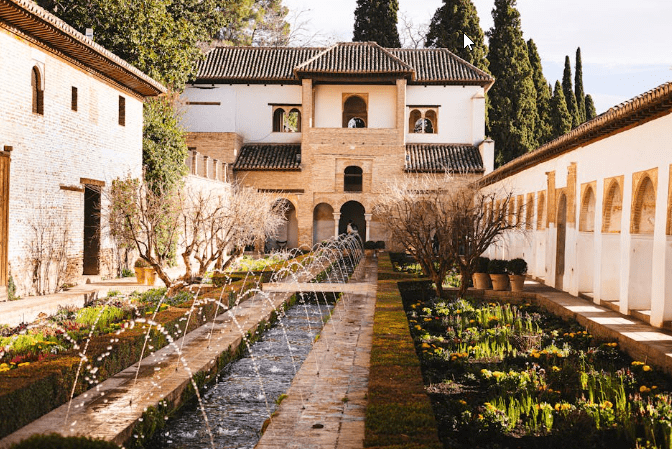
Your Mediterranean garden could be dying not from lack of water, but from the fertilizer you're using. Traditional soluble NPK actually worsens drought stress by creating toxic salt concentrations around roots—but temperature-responsive alternatives work with your plants instead of against them.
Key Takeaways
- Controlled-release fertilizers (CRFs) outperform traditional soluble NPK fertilizers in drought-prone regions by providing steady nutrition whilst preventing salt accumulation around roots
- Temperature-responsive coating technology ensures nutrients release when plants need them most, matching natural growth cycles throughout the growing season
- Advanced multi-component tablets combine water retention, mycorrhizal fungi, and extended nutrition in a single application, with some components lasting up to two years while mycorrhizal benefits persist for the plant's lifetime
- EU regulations favor nutrient-efficient solutions, making professional-grade formulations more accessible and desirable for home gardeners
- Strategic application timing and soil enhancement technologies can significantly improve plant survival rates, with some trials reporting near 100% success in optimal conditions compared to typical rates of 80-85%
As climate patterns shift across Southern Europe, traditional fertilisation approaches are proving inadequate for the new reality of extended droughts, water restrictions, and extreme heat events. The solution lies not in more fertilizer applications, but in fundamentally different approaches to plant nutrition that work with natural systems rather than against them.
Why Mediterranean Gardens Are Shifting Towards Smart Fertilizers
Mediterranean regions from Spain's Costa del Sol to Croatia's Dalmatian coast are experiencing unprecedented gardening challenges. Water restrictions now affect millions of homeowners during peak growing seasons, whilst rising temperatures stress even traditionally drought-tolerant plants. The old approach of regular liquid feeding becomes not just impractical, but counterproductive when water is scarce, and salts accumulate in bone-dry soils.
Professional growers have long understood that plant nutrition must work in harmony with water availability. Golf course superintendents and commercial nurseries abandoned frequent liquid feeding years ago, switching to controlled-release systems that deliver consistent nutrition regardless of irrigation schedules. Now this technology is becoming essential for home gardeners investing hundreds of euros in hedges, fruit trees, and permanent plantings.
HUMKO's advanced fertiliser tablets leverage extensive research into biological plant nutrition, offering homeowners the same professional-grade solutions used in demanding growing environments across Europe.
The Salt Accumulation Problem: How Soluble Fertilizers Worsen Drought Stress
When Water Evaporates, Salts Concentrate Around Roots
The fundamental problem with soluble NPK fertilisers in drought conditions lies in basic chemistry. When irrigation water evaporates from soil surfaces, it leaves behind concentrated mineral salts around root zones. These salts create an osmotic barrier that actually prevents plants from absorbing available water, effectively creating drought stress even when soil moisture is present.
Research in Spanish olive groves demonstrated that plots treated with regular liquid fertilisers showed significantly higher soil salinity levels than those using controlled-release formulations. The salt-stressed trees required substantially more irrigation water to maintain the same growth rates, creating a vicious cycle of increasing water demand during the very periods when water is most scarce.
Leading to Damaging Salt Concentrations That Harm Plants During Heat
Salt stress manifests most severely during heat waves, precisely when plants need maximum water uptake for cooling. Leaf margins brown and curl as cellular dehydration occurs, even in well-watered gardens. The damage compounds over time, with repeated salt exposure weakening root systems and reducing plants' natural drought tolerance mechanisms.
Mediterranean fruit trees are particularly vulnerable. Citrus leaves develop characteristic yellowing between veins, whilst olive trees drop leaves prematurely to conserve water. These stress responses reduce photosynthetic capacity, creating a downward spiral of weakening plant health that makes future drought episodes even more damaging.
The Nutrient Leaching Cycle That Wastes Money
Traditional fertilisers face a cruel irony in Mediterranean climates: either they wash away during intense autumn and spring rains, or they concentrate into damaging salt deposits during dry summers. Homeowners find themselves trapped in expensive cycles of repeated applications, never achieving consistent plant nutrition.
Studies tracking nutrient movement in typical Mediterranean soils found that a significant portion of soluble nitrogen applied in spring had leached beyond root zones by mid-summer. This waste not only increases costs but also contributes to groundwater contamination, making controlled-release alternatives both economically and environmentally superior.
Temperature-Responsive Release: How CRFs Match Plant Metabolism
Coating Technology That Responds to Soil Temperature
The breakthrough innovation in controlled-release fertilisers lies in polymer coating technology that responds directly to soil temperature changes. These semi-permeable membranes allow water to enter the fertiliser granule whilst controlling nutrient diffusion outward. As soil temperatures rise, molecular movement increases, accelerating nutrient release precisely when plant metabolism and growth rates peak.
This temperature response creates natural synchronisation between nutrient availability and plant demand. During cool spring periods when growth is slow, release rates remain low, preventing nutrient waste and salt accumulation. As summer heat intensifies, plant growth and release rates automatically increase to meet higher nutritional requirements.
Preventing Over-Supply in Cool Springs and Under-Supply in Summer
Traditional fertilisation schedules often create nutritional mismatches, providing excess nutrients during slow-growth periods whilst leaving plants undernourished during peak demand phases. Temperature-responsive release eliminates this problem by automatically adjusting the supply to match seasonal plant metabolism patterns.
Field trials in Italian vineyards showed that temperature-controlled release fertilisers maintained optimal leaf nitrogen levels throughout the growing season, whilst conventionally fertilised vines experienced early-season excess followed by mid-summer deficiency. The controlled-release plots produced higher yields with significantly improved fruit quality metrics.
Beyond Fertilizers: Soil Amendments That Build Drought Resilience
Humic Substances and Water Retention
Humic substances extracted from earthworm castings represent one of nature's most effective soil conditioners. These complex organic molecules increase the soil's cation exchange capacity, allowing greater nutrient retention whilst improving water-holding characteristics. Research shows that humic-treated soils can hold significantly more plant-available water than untreated substrates.
The molecular structure of earthworm-derived humic acids features optimal hydrogen-to-carbon ratios that promote soil aggregation. This enhanced soil structure creates micropore spaces that store water whilst maintaining the macropore drainage essential for root health. The result is soil that acts like a sponge, holding moisture during dry periods whilst preventing waterlogging during heavy rains.
Mycorrhizal Networks for Extended Root Systems
Mycorrhizal fungi form symbiotic partnerships with plant roots, extending the effective root system up to seven times its natural reach. These fungal networks access soil moisture and nutrients from areas far beyond the plant's root zone, dramatically improving drought tolerance and nutrient uptake efficiency.
Common and effective strains of endomycorrhizal fungi, such as Rhizophagus irregulare and multiple Glomus species, provide a broad spectrum of plant compatibility. Once established, these partnerships persist for the plant's lifetime, requiring no repeated applications whilst continuously improving soil biology and plant resilience.
Hydrogel Technology for Water Reservoirs
Modern hydrogel crystals can absorb many times their weight in water (up to 100 times or more, depending on the specific product), creating microscopic reservoirs within the soil matrix. Unlike simple water retention, hydrogels act as ionic pumps, storing dissolved nutrients alongside water and releasing both gradually as soil moisture levels decline.
Biodegradable hydrogel polymers, such as certain polyacrylamides, are designed to maintain stability across a wide range of pH and temperatures (e.g., from 4 to 9 pH and -5°C to 40°C), making them suitable for diverse European growing conditions. As biodegradable hydrogels slowly degrade over several years (typically three to five years), they continue providing soil conditioning benefits, minimizing permanent polymer accumulation.
Advanced Multi-Component Tablets: Water Retention Plus Long-Term Nutrition
Hydrogel-Enhanced Tablets: Water Retention Plus 6-Month Nutrition
The latest innovation combines hydrogel water storage with controlled-release fertiliser in a single tablet form. Some advanced tablets are designed to hold a significant amount of water (e.g., up to 350 millilitres) and provide balanced NPK nutrition for several months (e.g., three to six months). This dual-action approach addresses both immediate transplant stress and long-term nutritional requirements in one simple application.
Placement 10 centimetres deep near root zones creates localised moisture and nutrient reserves that plants can access during stress periods. The hydrogel component prevents dramatic soil moisture swings, whilst the fertiliser coating responds to temperature changes to match nutrient release with plant growth patterns.
Mycorrhizal Inoculant Tablets: Beneficial Fungi Plus Hydrogel Technology
Advanced tablets incorporating five mycorrhizal species with hydrogel technology and earthworm humus create complete root zone enhancement systems. The hydrogel provides immediate water security, mycorrhizal spores establish long-term biological partnerships, and humus supplies beneficial microorganisms to support fungal colonisation.
This combination addresses the three critical factors for plant establishment success: hydration, biology, and structure. The mycorrhizal networks grow into hydrogel reservoirs, accessing stored water and nutrients with remarkable efficiency. Field trials have shown significantly improved plant survival rates, with some studies reporting near 100% survival when these tablets are used at transplanting, compared to typical rates of 80-85% with conventional fertilisation.
Ultra-Long Release Formulations: Extended Feeding for Woody Plants
Osmotic-release tablets designed for woody plants can provide extended nutrition, typically ranging from several months to over a year (e.g., 3 to 14 months), depending on soil temperatures and specific formulation. The extended release period makes them ideal for fruit trees, ornamental shrubs, and reforestation projects where repeated applications are impractical.
Some advanced ultra-long release formulations also incorporate beneficial microorganisms, such as nitrogen-fixing bacteria and phosphorus-mobilising microorganisms, which can continue to enhance soil fertility even after the primary tablet nutrients are depleted. The biological components establish self-sustaining soil ecosystems that enhance long-term fertility, reducing future fertilisation requirements whilst building soil health.
EU Regulations and Market Trends Supporting Nutrient-Efficient Solutions
The European Union's Fertilising Products Regulation (FPR) actively encourages innovative fertilising products that improve nutrient use efficiency whilst reducing environmental impact. This regulatory framework specifically supports controlled-release fertilisers and biostimulants that align with sustainability goals and climate adaptation needs.
Market analysis indicates that specialty fertilisers, including controlled-release and organo-mineral products, are a rapidly growing segment in European agriculture and horticulture. Environmental awareness and the practical challenges of Mediterranean climate gardening are driving consumer demand for more efficient, sustainable solutions that deliver professional results with minimal environmental footprint.
Protecting Your Valuable Plant Investments with Professional-Grade Nutrition That Lasts
The shift towards controlled-release fertilisation represents more than a technological upgrade - it's a fundamental change in how gardeners approach plant nutrition in an era of climate uncertainty. When individual hedge plants cost €15-25, and complete landscape installations run into thousands of euros, the insurance provided by professional-grade nutrition becomes not just worthwhile, but essential.
Success stories from across Southern Europe demonstrate the transformative power of matching fertilisation technology to climate realities. Near-zero plant loss rates, extended flowering seasons, and dramatic improvements in drought tolerance are becoming standard outcomes for gardeners who adopt these advanced approaches.
The integration of water retention, biological enhancement, and temperature-responsive nutrition in single-application systems represents the future of home horticulture. As climate challenges intensify, the gap between traditional and advanced fertilisation approaches will only widen, making early adoption of these technologies a competitive advantage for serious gardeners.
For homeowners ready to protect their valuable plant investments with the same professional-grade solutions used in Europe's most demanding growing environments, HUMKO offers the complete range of advanced fertiliser tablets and biological soil enhancers that transform garden success rates from hopeful to guaranteed.

The Humko Plant Health Expert Team is a group of horticultural scientists, soil biologists, and professional gardeners based in Bled, Slovenia. With roots going back to 1985, our team brings together nearly four decades of hands-on research in mycorrhizal biology, humic acid chemistry, substrate science, and professional plant nutrition.
We've worked on over 1,000 projects — from Dutch-style commercial greenhouses and golf courses to vertical green walls, ornamental gardens, and urban rooftop installations. Our formulas have been field-tested in the most demanding growing environments on earth before we ever offered them to home gardeners.
Everything we publish is grounded in real science and real growing experience. We don't repeat what's already on the bag — we explain why plants behave the way they do, and what actually makes a difference in the soil. Our goal is simple: help you grow plants that don't just survive, but thrive — with less guessing and less anxiety.
Based in Slovenia | EU-certified products | 40 years of professional horticulture