
Why Biochar: Decades-Long Soil Stability Buffer for Gardening Mistakes
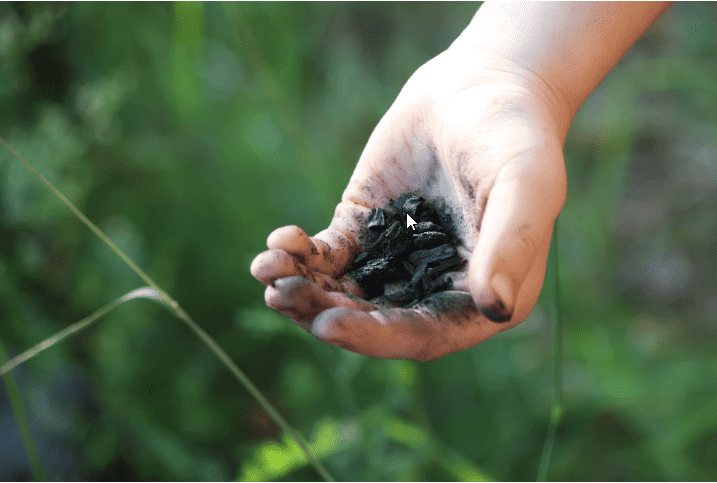
Most gardeners battle the same frustrating cycle: plants that thrive initially, then mysteriously decline despite constant care. The problem isn't your technique; it's that typical soil amendments fail within months. But there's one ancient material that stabilizes soil for decades, essentially creating a permanent buffer against your most common mistakes.
Key Takeaways
- Biochar creates a permanent soil stability system that prevents the three most common gardening failures: overwatering, nutrient deficiency, and poor soil structure
- Unlike other soil amendments that break down within seasons, biochar's carbon structure remains stable for many decades, often hundreds of years, creating lasting soil improvement
- The porous structure holds water and nutrients while housing beneficial microorganisms, effectively acting as a living soil buffer system
- Proper application rates vary by use: 5-20% for containers and 5-10% for garden beds, but biochar must be "charged" before use to prevent nutrient lockup
- This ancient soil technology offers modern gardeners a one-time investment that solves ongoing soil management challenges
For countless gardeners, the cycle feels endless: plants thrive initially, then slowly decline despite careful attention. The problem often isn't technique—it's that most soil amendments provide temporary fixes while the underlying soil structure remains unstable. Biochar breaks this cycle by creating a permanent foundation for soil health that continues working for decades.
Biochar Creates Decades of Soil Forgiveness for Common Plant Failures
Biochar transforms ordinary soil into a self-regulating system that compensates for common mistakes that are significant causes of plant failure, such as overwatering, nutrient deficiency, and poor soil structure. When organic matter burns without oxygen—a process called pyrolysis—it creates a highly porous carbon structure that acts like a microscopic sponge system throughout the soil.
This isn't just another soil amendment. Research shows biochar's effects persist in soil for many decades, often hundreds to thousands of years, making it essentially a permanent upgrade to soil stability. The key lies in its unique molecular structure: while compost and peat decompose within 1-3 years, biochar's carbon bonds resist breakdown, continuing to improve soil function season after season.
The agricultural experts at HUMKO have spent decades developing biochar-enhanced soil solutions that address the root causes of plant failure rather than just treating symptoms.
The Three Critical Ways Biochar Prevents "Black Thumb" Disasters
1. Water Management: Prevents Both Overwatering and Drought Stress
Most plant deaths stem from water-related stress—either too much or too little. Biochar's porous structure can hold several times its weight in water, with some studies showing up to 5-9 times its weight, while simultaneously improving drainage through better soil aggregation. This creates what soil scientists call "available water capacity"—moisture that plants can access without waterlogged roots.
The microscopic pores act as tiny reservoirs, releasing water slowly as soil dries while preventing the rapid moisture swings that stress plant roots. Container plants treated with biochar can extend watering intervals and show improved drought tolerance during hot weather.
2. Nutrient Buffering: Reduces Fertilizer Mistakes and Leaching
Biochar's high cation exchange capacity (CEC) allows it to hold positively charged nutrients like potassium, calcium, and ammonium in plant-available forms. Instead of washing away with the next heavy rain, these essential elements remain in the root zone until plants need them.
This buffering effect means fertilizer applications become more forgiving. Over-fertilization causes less damage because excess nutrients bind to biochar surfaces rather than burning roots. Under-fertilization becomes less problematic because biochar slowly releases stored nutrients during low-input periods.
3. Root Zone Stability: Creates Optimal Growing Environment
Healthy soil contains roughly 50% pore space filled with air and water in constantly changing ratios. Biochar's rigid structure maintains these pore spaces even when the soil gets compacted from foot traffic or heavy watering. This consistent aeration prevents the anaerobic conditions that lead to root rot and fungal problems.
The stable pore network also creates an ideal habitat for beneficial soil microorganisms. These microscopic partners help plant roots absorb nutrients, fight off pathogens, and communicate stress responses throughout the root system.
Why Biochar Works for Decades While Other Amendments Break Down
Carbon Structure Resists Decomposition for Many Decades
The pyrolysis process that creates biochar transforms organic carbon into aromatic ring structures that resist microbial decomposition. While soil microbes quickly break down fresh organic matter like compost, they cannot easily digest biochar's stable carbon bonds.
Archaeological evidence from Amazonian "terra preta" soils shows biochar remaining active for many centuries, with evidence showing persistence for 500-2,000 years. Modern field studies consistently find measurable soil improvements for many years, with no decline in effectiveness over time, and its benefits are known to persist for many decades, often centuries.
Long-Term Applications Sustain and Enhance Soil Performance
Unlike decomposing amendments that require constant replenishment, biochar actually improves with age. Over months and years, beneficial microorganisms colonize its porous surface, creating biofilms that enhance nutrient cycling and plant communication networks.
The biochar matrix also captures and concentrates organic matter from plant roots, earthworm castings, and decomposing leaves, gradually building soil organic matter levels around each particle. This creates microenvironments of enhanced fertility that expand over time.
The Science Behind Biochar's Soil Stability Powers
High Cation Exchange Capacity Locks in Nutrients
Quality biochar typically exhibits CEC values of 20-80 meq/100g—comparable to clay soils but with much better drainage characteristics. This electrical capacity allows biochar particles to attract and hold positively charged nutrients, preventing them from leaching away during irrigation or rainfall.
The exchange process works both ways: when plant roots release hydrogen ions during nutrient uptake, biochar responds by releasing stored nutrients in equivalent amounts. This creates a responsive nutrient supply system that matches plant demand rather than flooding the root zone.
Porous Structure Houses Beneficial Microorganisms
Scanning electron microscopy reveals biochar's intricate pore network, with spaces ranging from nanometers to micrometers in diameter. These varied pore sizes accommodate different microbial communities: bacteria colonize smaller spaces while fungal hyphae thread through larger channels.
The protected environment inside biochar pores allows beneficial microorganisms to establish stable populations even during periods of soil disturbance or drought. These microbial communities continue processing nutrients, suppressing pathogens, and supporting plant health throughout challenging conditions.
pH Buffering Prevents Soil Chemistry Swings
Most biochar exhibits a slightly alkaline pH (7-9) that gradually moderates acidic soil conditions without causing rapid pH swings that stress plants. This buffering capacity helps maintain the pH range (6.0-7.5) where most nutrients remain available to plant roots.
The buffering effect works gradually over months rather than days, allowing plant roots to adapt to slowly improving conditions. This prevents the shock that can occur when lime or other fast-acting pH amendments create sudden chemical changes in the root environment.
Container vs Garden Applications: Getting the Mix Right
Houseplants and Containers: 5-20% Biochar Ratio
Container growing intensifies both water and nutrient management challenges, making biochar's buffering capacity especially valuable. For houseplants and patio containers, mix charged biochar at 5-20% of total potting volume, with 10-20% being suitable for certain plants or conditions.
Succulents and cacti can handle higher biochar percentages because they prefer well-draining soils, while moisture-loving plants like ferns perform better with lower ratios. Always ensure containers have adequate drainage holes to prevent waterlogging despite improved water retention.
Garden Beds: 5-10% Mixed into Top Soil Layer
For permanent garden plantings, incorporate biochar into the top 6-8 inches of soil where most feeder roots develop. Application rates of 5-10% by volume provide significant benefits without dramatically altering existing soil texture or drainage patterns.
In heavy clay soils, biochar improves drainage and aeration, while in sandy soils, it increases water and nutrient retention. The ideal approach involves mixing biochar with compost before incorporation, creating an enhanced organic matter blend that addresses multiple soil limitations simultaneously.
Always Charge Biochar Before Use
Fresh biochar can temporarily tie up soil nutrients as its surfaces become saturated with essential elements. Prevent this by "charging" biochar before application: soak it in diluted liquid fertilizer, compost tea, or mix it with finished compost for 1-2 weeks before use.
The charging process pre-loads biochar's exchange sites with nutrients, ensuring it begins releasing rather than absorbing elements immediately after soil incorporation. Pre-charged biochar products eliminate this step but cost more than raw biochar that requires home preparation.
Biochar as Your Permanent Solution for Gardening Confidence
The beauty of biochar lies not in what it does immediately, but in what it prevents over years of gardening. By creating stable soil structure, consistent moisture availability, and reliable nutrient cycling, it eliminates the major variables that cause gardening anxiety and plant failure.
This stability transforms gardening from a constant battle against soil limitations into a more predictable, enjoyable activity. Plants grown in biochar-amended soils show greater resilience to weather extremes, recover faster from transplant shock, and maintain consistent growth rates throughout the season.
Most importantly, biochar's permanent nature means the investment pays dividends for decades. While other soil amendments require annual replenishment, a properly applied biochar treatment continues improving soil function year after year, creating an increasingly forgiving growing environment.
For gardeners ready to move beyond temporary fixes to permanent soil solutions, HUMKO offers professional-grade biochar and soil enhancement products designed for long-term growing success.

The Humko Plant Health Expert Team is a group of horticultural scientists, soil biologists, and professional gardeners based in Bled, Slovenia. With roots going back to 1985, our team brings together nearly four decades of hands-on research in mycorrhizal biology, humic acid chemistry, substrate science, and professional plant nutrition.
We've worked on over 1,000 projects — from Dutch-style commercial greenhouses and golf courses to vertical green walls, ornamental gardens, and urban rooftop installations. Our formulas have been field-tested in the most demanding growing environments on earth before we ever offered them to home gardeners.
Everything we publish is grounded in real science and real growing experience. We don't repeat what's already on the bag — we explain why plants behave the way they do, and what actually makes a difference in the soil. Our goal is simple: help you grow plants that don't just survive, but thrive — with less guessing and less anxiety.
Based in Slovenia | EU-certified products | 40 years of professional horticulture