
Top 5 Mycorrhizal Inoculants: EU Propagule Count Specifications
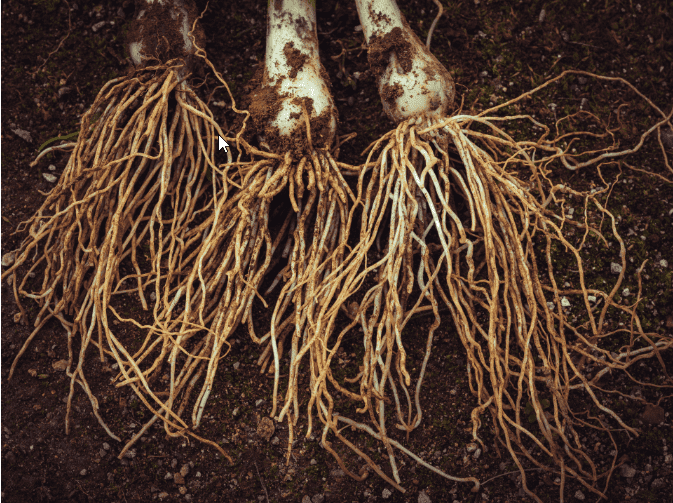
Nearly half the mycorrhizal products in EU garden centres contain dead or ineffective fungi—meaning your €15 investment could cost you hundreds in failed plants. Here's how to identify which inoculants actually work and which are pure marketing.
Key Takeaways:
- Nearly half of the garden centre mycorrhizal products lack viable inoculum due to poor storage conditions and manufacturing practices, making propagule count verification essential for effective plant colonisation.
- EU quality standards under Regulation 2019/1009 and CEN/TS 17722:2022 require transparent labelling of viable propagule concentrations, but enforcement remains inconsistent across member states.
- Professional-grade mycorrhizal inoculants with high viable propagule concentrations significantly outperform generic products in challenging soil conditions.
- Proper root zone placement and avoiding high-phosphorus fertiliser interference are critical application techniques that determine colonisation success rates.
- Integrated plant nutrition systems combining mycorrhizae with slow-release nutrients and water retention technologies provide superior long-term plant establishment compared to standalone inoculants.
For EU homeowners investing hundreds of euros in permanent landscaping, the difference between success and failure often lies in the quality of mycorrhizal inoculants used during planting. Understanding what separates effective products from marketing gimmicks can protect significant plant investments.
Why Half of Garden Centre Mycorrhizal Products Contain No Viable Inoculum
Independent testing across European garden centres reveals a troubling reality: approximately 50% of mycorrhizal products on retail shelves contain insufficient viable propagules to establish effective root colonisation. The primary culprits include improper storage temperatures, extended shelf life without viability testing, and manufacturing processes that prioritise cost over biological activity.
Many products sitting under fluorescent lights in heated retail environments lose viability within months. While some mycorrhizal spores can maintain viability for extended periods under proper conditions, temperature fluctuations and poor storage significantly reduce their effectiveness. Products manufactured with inadequate quality controls often contain dormant or dead propagules that appear legitimate on packaging labels but fail to colonise plant roots in practical applications.
The European Biostimulants Industry Council (EBIC) advocates for clearer labelling standards, recognising that consumers cannot visually distinguish between viable and non-viable inoculum. Companies like HUMKO have responded by developing integrated nutrition solutions that combine mycorrhizal fungi with controlled-release fertilisers in tablet form, ensuring biological viability through protective formulations and proper storage protocols.
Understanding EU Quality Control Standards for Mycorrhizal Products
1. What Actually Counts as a Viable Propagule
A propagule encompasses any fungal structure capable of initiating root colonisation, including spores, colonised root fragments, and viable hyphal segments. The distinction between total propagules and viable propagules represents the difference between marketing numbers and actual field performance. Viable propagules must demonstrate germination capacity under laboratory conditions and maintain infectivity when applied to plant roots.
Research indicates that propagule viability decreases over time with storage and environmental stress. Products stored under suboptimal conditions typically show significant viability loss, regardless of initial propagule counts. This explains why fresh, properly stored inoculants consistently outperform older products with higher stated concentrations.
2. EU Regulation 2019/1009 and CEN/TS 17722:2022 Requirements
EU Regulation 2019/1009 establishes minimum requirements for microbial plant biostimulants, including mycorrhizal inoculants. The regulation requires manufacturers to meet strict quality, safety, and labelling standards whilst demonstrating efficacy through standardised testing protocols. CEN/TS 17722:2022 provides technical specifications for measuring and declaring mycorrhizal propagule viability.
However, enforcement varies significantly across member states. Some authorities conduct regular market surveillance testing, whilst enforcement in other regions remains sporadic. This regulatory patchwork allows substandard products to reach consumers, particularly through online channels that bypass local oversight.
3. How Non-Viable Propagule Claims Waste Your Investment
When mycorrhizal products fail to establish root colonisation, plants miss critical benefits during their most vulnerable establishment period. Young trees and shrubs particularly suffer from reduced drought tolerance and nutrient uptake efficiency. For a homeowner investing €400 in hedge plants, a €15 inoculant that fails to work represents not just wasted product cost, but potential plant replacement expenses exceeding €200.
The economic impact extends beyond immediate plant loss. Failed colonisation means plants require more frequent watering, additional fertilisation, and extended establishment periods. Over two growing seasons, the cumulative cost of supporting poorly established plants often exceeds the price difference between budget and professional-grade inoculants.
Characteristics of Professional-Grade EU Mycorrhizal Inoculants
1. High Viable Propagule Concentrations in Endomycorrhizal Products
Professional-grade endomycorrhizal inoculants typically contain higher viable propagule concentrations compared to generic retail products. Higher concentrations increase colonisation probability, particularly important in challenging conditions such as sandy soils, container plantings, or disturbed landscapes.
The most effective products focus on endomycorrhizal species (Rhizophagus irregularis, Glomus intraradices) suitable for the majority of common garden plants, including vegetables, ornamentals, and fruit trees. Concentration matters because successful colonisation requires propagules in close proximity to developing root tips, and higher propagule density improves placement odds.
2. Multi-Species Blends: Benefits and Applications
Quality multi-species inoculants combine different mycorrhizal types to accommodate diverse planting scenarios. Endomycorrhizal species serve most garden plants, whilst ectomycorrhizal species benefit conifers and some hardwood trees. The most sophisticated blends include complementary beneficial bacteria that enhance nutrient mobilisation and root development.
However, species diversity means little without proper ratios and viability. Premium blends maintain viable populations of each species throughout storage and application, whilst inferior products often show dramatic species-specific viability losses that compromise overall effectiveness.
3. Certified Organic Options with Transparent Labelling
EU organic certification ensures mycorrhizal products meet strict production and contamination standards. Certified products undergo regular testing for pathogens, heavy metals, and synthetic residues. Transparent labelling includes species identification, viable propagule counts, storage requirements, and application rates.
The best organic inoculants clearly state production methods, carrier materials, and quality control procedures. Products from established manufacturers often include batch-specific viability data and storage recommendations that maintain biological activity throughout the product's shelf life.
Application Techniques That Maximise Colonisation Success
1. Root Zone Placement for New Plantings
Direct root zone application significantly outperforms broadcast spreading or surface application. For transplants, the most effective method involves dusting bare roots or root balls with inoculant powder immediately before planting. This ensures maximum propagule-to-root contact during the critical establishment window.
When planting trees or shrubs, create a shallow depression around the root ball and mix inoculant with backfill soil. This technique maintains propagule proximity to expanding roots whilst protecting the inoculum from surface desiccation and UV degradation. Proper placement can dramatically improve colonisation rates compared to broadcast application methods.
2. Avoiding High-Phosphorus Fertiliser Interference
Excessive soluble phosphorus suppresses mycorrhizal colonisation by reducing the plant's biological incentive to form symbiotic relationships. High phosphorus fertilisation can significantly reduce colonisation even with a viable inoculant, as plants receive adequate phosphorus without fungal assistance.
Instead, use balanced, slow-release fertilisers that provide moderate phosphorus availability over extended periods. This approach supports both plant nutrition and mycorrhizal development, creating synergistic benefits that exceed either treatment alone.
Integrated Plant Nutrition: The Complete Root Support Approach
Beyond Basic Inoculation
Modern plant establishment strategies move beyond standalone mycorrhizal application towards integrated root zone management. This approach combines biological inoculants with water retention technologies, controlled-release nutrition, and soil structure improvements in coordinated systems.
Research demonstrates that integrated approaches achieve higher plant establishment success compared to conventional methods. The synergistic effects occur because mycorrhizal fungi enhance nutrient and water uptake, whilst proper nutrition and hydration support fungal development and colonisation.
Professional Systems for Long-Term Plant Health
Professional landscaping operations increasingly adopt tablet-based nutrition systems that integrate mycorrhizal inoculants with controlled-release fertilisers. These systems provide extended plant support from a single application, reducing labour costs whilst improving establishment success rates.
Advanced systems adjust nutrient release rates based on soil temperature and moisture, synchronising nutrition delivery with plant growth patterns and mycorrhizal activity cycles. This precision approach maximises biological efficiency whilst minimising environmental impact through reduced nutrient leaching.
Protect Significant Plant Investments with Professional-Grade Biology
For EU homeowners investing in permanent landscaping, the choice between budget and professional-grade mycorrhizal inoculants often determines long-term success. Quality products with verified propagule concentrations, proper storage protocols, and integration with supporting technologies provide measurable insurance for expensive plant investments.
The most successful applications combine high-quality inoculants with proper placement techniques and compatible nutrition systems. This approach addresses all aspects of plant establishment, from initial root development through long-term growth and stress tolerance.
Studies from European urban greening projects show that professional-grade mycorrhizal systems achieve superior plant survival rates compared to conventional approaches. For homeowners investing €500-2000 in landscaping projects, this difference represents significant financial protection and peace of mind.
The investment in quality biological products pays dividends through improved plant establishment, reduced maintenance requirements, and enhanced long-term landscape value. When viewed as insurance for significant plant investments, professional-grade mycorrhizal inoculants represent one of the most cost-effective risk reduction strategies available to European gardeners.
For plant nutrition solutions that integrate mycorrhizal technology with advanced root support systems, consider the professional-grade options available at HUMKO's plant nutrition platform.

Tomaž Čufer is the founder of Humko d.o.o. and one of Slovenia's most experienced names in professional horticulture. He started his journey in 1985 with the Humko-Tomaž Čufer Worm Farm near Bled — a small operation focused on producing worm humus and caring for gardens in the Julian Alps region.
Over the next four decades, what began as a worm farm grew into one of Slovenia's leading horticultural innovation companies. Under Tomaž's leadership, Humko developed more than 80 proprietary products, built 30 Dutch Bosman greenhouses, established three garden centers, and completed over 1,000 professional projects — including ornamental gardens, football fields, green roofs, living walls, and indoor plant installations.
In 1996, Tomaž founded the Humko Gardeners Club, connecting professional growers across Slovenia through shared knowledge, catalogs, and annual trade presentations. That community later became the Professional Horticultural Society, a formal economic interest group that today unites 23 horticultural businesses.
Tomaž holds multiple patents in the areas of green wall systems and complex bio-fertilizer formulations. His core belief — that professional plant nutrition should be accessible, simple, and trustworthy for everyday gardeners — is the philosophy behind every Humko product.
When he's not developing new formulations or consulting on landscape projects, he's often found in the field, testing ideas the same way he always has: in the soil.
Bled, Slovenia | Founder since 1985 | Patent holder | Professional horticultural consultant