
AgroVerm's 2-4 kDa Molecules: Immediate Absorption vs Biobizz 30+ kDa
Not all humic acids work the same way in your garden, and choosing the wrong one could mean missing months of growth potential. The molecular weight of your humic acid determines whether you'll see results in hours or have to wait weeks, but there's a catch most growers don't know about.
Key Takeaways
- Vermicompost-derived humic acids like AgroVerm exhibit superior immediate bioactivity with low molecular weights (2,000-4,000 Daltons) compared to leonardite-based products that excel at long-term soil conditioning
- AgroVerm's concentrated liquid delivers amino acid content and auxin-like plant stimulation effects that differ from mined leonardite sources
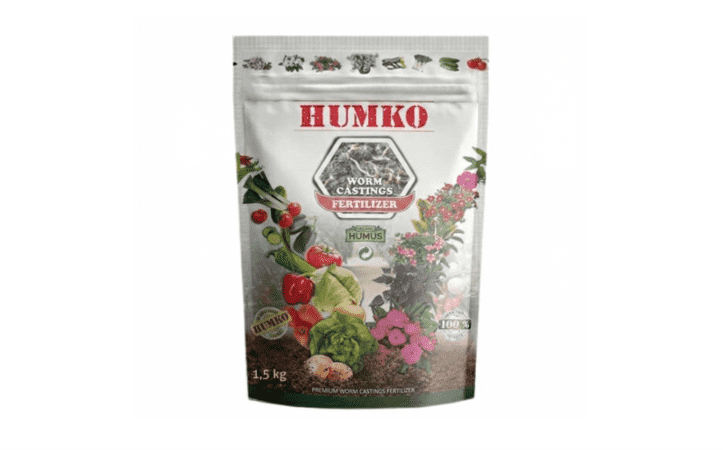
- HUMKO integrates multiple technologies, including PNC tablets with controlled-release nutrition, hydrogel water retention, and beneficial microorganisms for complete ecosystem engineering
- Choosing between immediate bioactivity and long-term soil health goals determines which humic acid source delivers optimal plant performance
Vermicompost-Derived Humic Acids Show Superior Bioactivity
The molecular structure of humic acids fundamentally determines how quickly plants can access and utilize these bioactive compounds. Earthworm-processed organic matter creates humic substances with distinctly different properties than those extracted from ancient geological deposits. When Eisenia fetida earthworms digest organic materials in their specialized gut environment, microorganisms and enzymes break down plant residues in ways that promote the formation of highly accessible humic compounds.
These vermicompost-derived humic acids possess significantly lower molecular weights, typically ranging from 2,000 to 4,000 Daltons, compared to leonardite-based humic acids that can range from hundreds to over a million Daltons, though they often exceed 30,000 Daltons. This dramatic size difference translates directly into absorption speed and cellular availability. The smaller molecular structure allows immediate penetration through plant cell walls and rapid transport within plant tissues, delivering bioactive signals that trigger growth responses within hours rather than days or weeks.
The biological origin of vermicompost humic acids also creates unique functional groups that are largely absent in mined sources. Research from Slovenia's leading plant nutrition specialists at HUMKO demonstrates how earthworm gut processes generate humic compounds with high concentrations of hydroxyl and carboxyl groups, creating stable amino acid complexes that directly activate plant growth mechanisms.
Earthworm Processing Creates Auxin-Like Plant Stimulation
Root elongation and lateral root formation enhancement
Scientific studies confirm that humic acids isolated from earthworm compost exhibit auxin-like activity that fundamentally alters root architecture. These compounds stimulate the formation of lateral roots and enhance primary root elongation in ways that synthetic fertilizers cannot replicate. The mechanism involves direct interaction with plant growth hormone pathways, essentially tricking the plant into producing more extensive root systems than would occur naturally.
Research with maize shows that vermicompost-derived humic acids can increase lateral root emergence compared to untreated controls. This enhanced root branching creates exponentially more surface area for nutrient and water absorption, establishing the foundation for superior plant performance throughout the growing season.
Plasma membrane H+-ATPase enzyme activation
The cellular mechanism behind enhanced nutrient uptake involves activation of plasma membrane H+-ATPase enzymes in plant root cells. These specialized proteins function as molecular pumps, using energy to transport hydrogen ions across cell membranes and create the electrical gradient necessary for nutrient absorption. Vermicompost humic acids stimulate these enzymes more effectively than leonardite-based alternatives.
Laboratory research shows that low molecular weight humic acid fractions can enhance nutrient uptake by 30-50% through direct enzyme stimulation. This biochemical advantage explains why plants treated with vermicompost-derived products often demonstrate rapid greening and vigorous growth even in marginal soil conditions.
Growth hormone effects differ from Leonardite sources
The distinction between living and fossilized humic sources becomes apparent in their hormone-like activity profiles. Vermicompost humic acids contain plant growth regulators, including auxins and gibberellins, that are developed during the biological processing phase. These compounds retain their bioactive properties when properly extracted and formulated.
Leonardite, formed over millions of years through geological processes, lacks these fresh biological signals. While leonardite humic acids excel at soil conditioning and long-term nutrient chelation, they cannot replicate the immediate growth stimulation provided by biologically active vermicompost derivatives.
AgroVerm's Concentrated Liquid Delivers Immediate Availability
Low molecular weight fractions for enhanced plant uptake
AgroVerm's liquid formulation contains humic and fulvic acid complexes in the 2,000-4,000 atomic mass unit range, optimal for rapid cellular absorption. This molecular size allows foliar application, fertigation, and root zone treatments with predictable bioactive responses.
The concentrated liquid format eliminates the variability inherent in solid vermicompost applications. Each milliliter delivers a precise dose of bioactive compounds, enabling controlled experiments and consistent commercial results. Professional growers value this predictability when managing high-value crops or time-sensitive production schedules.
Amino acid content of total organic compounds
AgroVerm contains amino acids naturally created during earthworm digestion processes. These amino acids serve dual functions: providing direct nutrition to plants and enhancing the bioactivity of humic acid complexes.
The amino acid spectrum mirrors that found in deciduous forest humus, indicating ecological compatibility and optimal biological activity. Glycine, valine, alanine, leucine, and other amino acids work synergistically with humic structures to accelerate protein synthesis and photosynthetic efficiency in treated plants.
Bio-fungicidal properties from vermicompost origin
Unlike synthetic or mined humic products, vermicompost-derived extracts possess inherent bio-fungicidal properties that provide plant protection beyond nutrition. These protective properties originate from beneficial microbial metabolites and signaling molecules produced during the earthworm gut process.
The bio-fungicidal activity provides natural disease suppression while supporting plant immunity through enhanced cellular metabolism and stress response mechanisms.
Biobizz Leonardite Excels at Soil Structure Building
Higher molecular weight compounds for nutrient chelation
Leonardite-based products like Biobizz offer distinct advantages for long-term soil health and nutrient management. The higher molecular weight humic acids create stable chelation complexes that bind micronutrients, including iron, zinc, manganese, and copper, in plant-available forms. These large molecular structures resist breakdown and provide sustained nutrient-holding capacity.
The chelation mechanism prevents nutrient lockup in alkaline soils and reduces leaching in sandy conditions. While slower to deliver immediate bioactive signals, leonardite humic acids establish the chemical foundation for consistent long-term plant nutrition and soil fertility improvement.
Long-term cation exchange capacity improvement
Biobizz's leonardite-derived humic acids excel at building soil cation exchange capacity (CEC), the measure of a soil's ability to hold and exchange positively charged nutrients. The stable, high-carbon molecular structures add permanent negative charge sites that attract and retain calcium, magnesium, potassium, and ammonium ions.
This structural benefit accumulates over multiple growing seasons, creating soils with enhanced buffering capacity and nutrient retention. Gardens and agricultural systems treated with leonardite-based products develop improved soil chemistry that supports plant health even during periods without active fertilization.
Humko Integrates Multiple Technologies for Complete Systems
PNC Hydrohum tablets provide 3-6 months of water retention plus nutrition
HUMKO's PNC (Plant Nutri Complex) tablet system combines vermicompost-derived humic acids with hydrogel technology and controlled-release fertilizers. Each Hydrohum tablet contains hydrogel polymers that absorb water while simultaneously releasing balanced nutrition over 3-6 months.
The dual-action approach addresses both immediate bioactivity through humic acid signaling and long-term plant support through sustained nutrition and drought protection. Professional landscapers report improved plant survival rates when using PNC tablets during establishment phases compared to conventional approaches.
PNC Osmo 6 delivers 3-14 month controlled release with soil microorganisms
The Osmo 6 tablet formulation extends nutrition release to 3-14 months, depending on soil temperature, making it ideal for woody plants, fruit trees, and perennial installations. The osmotic coating responds to soil moisture and temperature, naturally synchronizing nutrient release with plant growth cycles and metabolic activity.
Beyond controlled nutrition, Osmo 6 tablets include nitrogen-fixing bacteria and phosphorus-mobilizing microorganisms that establish beneficial soil biology. These microbial communities continue working long after the tablet nutrients are depleted, creating lasting improvements in soil fertility and plant health.
A coordinated approach combines humics, minerals, and beneficial microbes
HUMKO's system-level design integrates earthworm-derived humics as one component of root zone engineering. The approach combines immediate bioactivity from liquid humic extracts, sustained nutrition from PNC tablets, water management through hydrogels, and biological enhancement via mycorrhizal fungi and beneficial bacteria.
This coordinated strategy addresses plant needs across multiple timeframes: hours (humic acid signaling), days (microbial establishment), weeks (controlled nutrition release), and months (soil structure improvement). Professional results become achievable for home gardeners through simplified application protocols that leverage decades of horticultural research.
Select Based on Immediate Bioactivity vs Long-Term Soil Health Goals
The choice between vermicompost-derived and leonardite-based humic products depends on specific plant performance objectives and timeframes. For immediate bioactivity, stress response, and rapid establishment, AgroVerm's concentrated liquid vermicompost extract delivers auxin-like growth stimulation and bio-fungicidal protection that cannot be replicated by mined sources.
When long-term soil building and sustained nutrient chelation are priorities, Biobizz's leonardite-based products provide superior structural benefits and CEC improvement. The higher molecular weight compounds create lasting chemical improvements that support plant health across multiple growing seasons.
HUMKO's integrated approach offers the best of both worlds through systematically combining immediate bioactivity with long-term soil enhancement. The PNC tablet system delivers concentrated humic acid benefits while establishing the biological and chemical foundation for sustained plant performance.
Smart growers recognize that optimal plant nutrition requires both immediate biological signals and long-term soil health development. HUMKO's ecosystem engineering approach provides professional-grade results through products that address complete plant needs rather than single nutritional components. Visit HUMKO's complete plant nutrition ecosystem for scientifically-backed solutions that deliver both immediate bioactivity and lasting soil health benefits.

The Humko Plant Health Expert Team is a group of horticultural scientists, soil biologists, and professional gardeners based in Bled, Slovenia. With roots going back to 1985, our team brings together nearly four decades of hands-on research in mycorrhizal biology, humic acid chemistry, substrate science, and professional plant nutrition.
We've worked on over 1,000 projects — from Dutch-style commercial greenhouses and golf courses to vertical green walls, ornamental gardens, and urban rooftop installations. Our formulas have been field-tested in the most demanding growing environments on earth before we ever offered them to home gardeners.
Everything we publish is grounded in real science and real growing experience. We don't repeat what's already on the bag — we explain why plants behave the way they do, and what actually makes a difference in the soil. Our goal is simple: help you grow plants that don't just survive, but thrive — with less guessing and less anxiety.
Based in Slovenia | EU-certified products | 40 years of professional horticulture