
Can You Add Mycorrhizal Fungi After Planting? (Apple, Citrus & Stone Fruit)
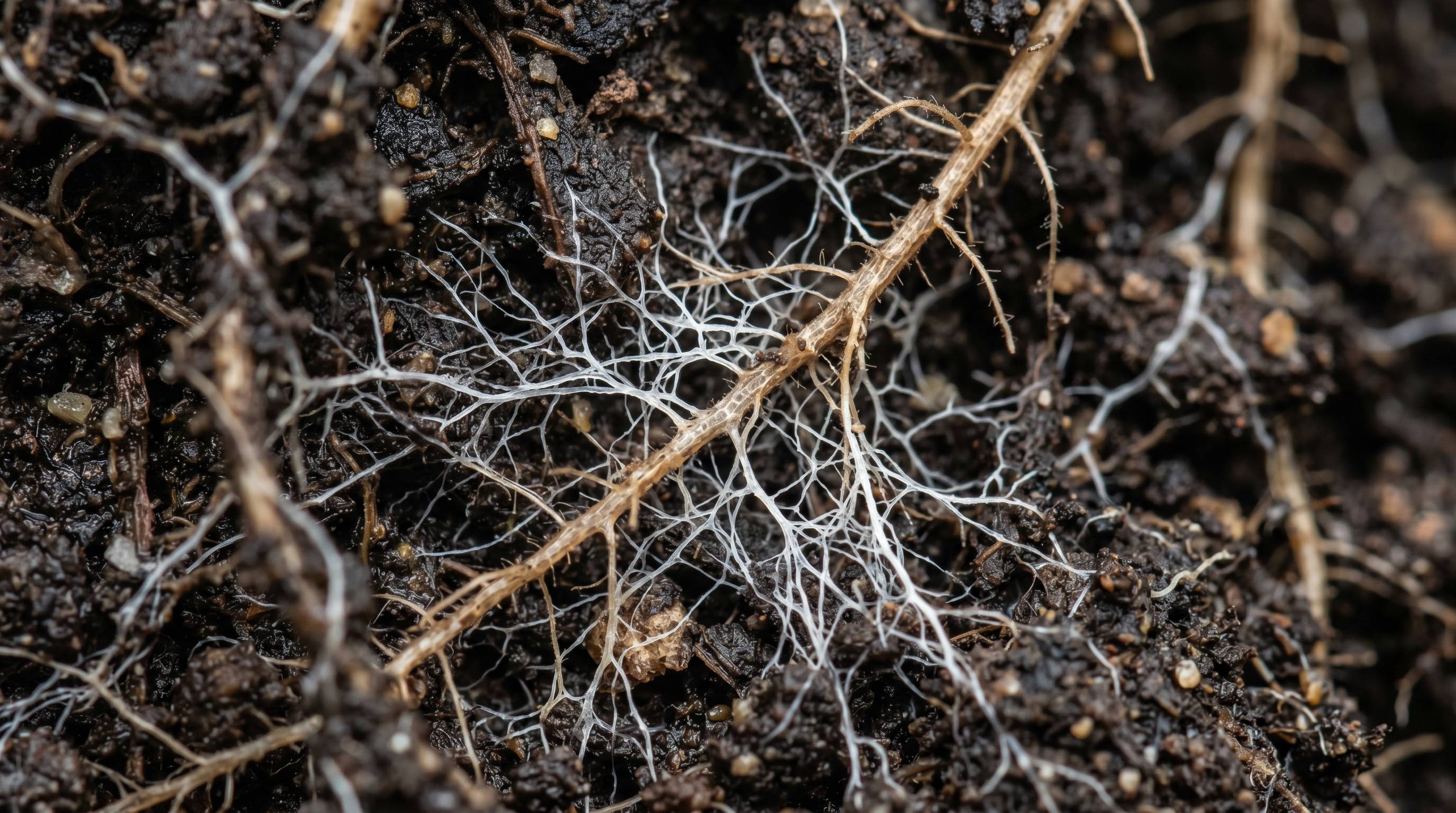
If you added your fruit trees to the ground before learning about mycorrhizal fungi, you're not alone—and you're not too late. But success depends on choosing the right fungal species and applying them at precise times most gardeners miss.
Key Takeaways
Mycorrhizal fungi can be successfully applied to established apple, citrus, and stone fruit trees after planting through soil drench or subsurface injection methods
Apple, citrus, and stone fruit trees exclusively form partnerships with arbuscular (endomycorrhizal) fungi—not ectomycorrhizal types commonly sold for conifers
Multi-species mycorrhizal inoculants consistently outperform single-species products, with citrus trees showing the strongest response in field trials
Organic and low-phosphorus soil conditions provide the best environment for mycorrhizal establishment, especially during spring and early autumn application windows
Post-planting inoculation works best when applied at the drip line, where feeder roots are most active, though colonization rates will be lower than at initial planting
Many home orchardists face the frustrating reality of discovering mycorrhizal fungi benefits after their fruit trees are already established. The good news is that retrofitting your orchard with beneficial fungi remains not only possible but highly effective when done correctly. Understanding the specific requirements of different fruit tree species can transform struggling trees into thriving, productive specimens.
Yes, You Can Successfully Add Mycorrhizal Fungi to Established Fruit Trees
Post-planting mycorrhizal inoculation delivers significant benefits to established fruit trees, though the approach differs from planting-time application. Research from commercial citrus orchards in China demonstrated that field inoculation of 3-year-old Ponkan mandarin trees resulted in improved fruit quality, enhanced root vitality, and increased soil biological activity over a two-year period. While colonization rates won't match those achieved during initial planting, established trees still form meaningful fungal partnerships that enhance nutrient uptake and stress tolerance.
The key lies in understanding that fruit trees continuously develop new feeder roots throughout their growing season. These young, white roots readily accept mycorrhizal colonization when inoculum reaches them through proper application techniques. European organic apple orchards have documented 24% greater trunk cross-section area over four years when mycorrhizal inoculants were applied to established trees, alongside doubled colonization frequency compared to uninoculated controls.
Success depends on the timing of application during active root growth periods and ensuring direct contact between the inoculum and the root zone. Unlike at-planting applications, where roots are exposed, post-planting inoculation requires strategic placement to reach the tree's feeding zone effectively.
Best Methods for Applying Mycorrhizae to Planted Trees
1. Soil Drench Application at the Drip Line
Soil drenching represents the most practical method for inoculating established fruit trees. Mix soluble mycorrhizal inoculant in water according to product specifications—typically 1-5 grams per liter—and apply directly to the drip line area where the tree's canopy edge meets the ground. This zone contains the highest concentration of active feeder roots responsible for nutrient absorption.
Apply the drench slowly to allow soil penetration rather than surface runoff. Professional-grade mycorrhizal inoculants designed for fruit tree applications ensure optimal spore density and viability for successful colonization. The application should thoroughly saturate the top 6-8 inches of soil where most feeder roots concentrate.
Water the treated area lightly after application to improve soil-to-root contact. Avoid heavy watering that might wash the inoculant away from the root zone before colonization can begin.
2. Subsurface Injection for Deeper Root Contact
For larger established trees, subsurface injection delivers inoculum directly to deeper root systems. Create holes approximately 12-18 inches deep using a soil auger or metal rod at roughly 2-3 foot intervals around the drip line. Fill each hole with diluted mycorrhizal solution, allowing it to penetrate into the root zone.
This method proves particularly effective for trees planted in heavy clay soils where surface applications struggle to reach root depth. The injection points should be sealed with loose soil after application to prevent water loss and maintain soil contact with the inoculum.
Timing injection during periods of active soil moisture helps ensure the mycorrhizal spores remain viable and can effectively colonize newly encountered roots.
3. Timing Application During Active Root Growth
Root activity peaks during specific periods when trees allocate energy to underground growth rather than fruit production. Early spring applications coincide with the initial root flush as soil temperatures rise above 50°F (10°C). This timing allows mycorrhizal establishment before the tree's major nutrient demands during flowering and fruit set.
Early autumn represents another optimal window, particularly after harvest, when trees focus on root development and nutrient storage for winter. September through October applications in temperate climates allow colonization to establish before dormancy and become active immediately when spring growth resumes.
Avoid mid-summer applications when hot, dry soil conditions reduce spore viability and root activity. If summer application becomes necessary, irrigate thoroughly before and after inoculation to maintain favorable soil moisture conditions.
Why Apple, Citrus, and Stone Fruits Need Arbuscular Mycorrhizae
All Commercial Fruit Trees Form Endomycorrhizal Partnerships
Apple, citrus, and stone fruit trees exclusively form arbuscular mycorrhizal (AM) relationships with fungi from the Glomeromycota phylum. These endomycorrhizal associations differ fundamentally from the ectomycorrhizal relationships formed by conifers and forest trees. The fungal hyphae actually penetrate root cell walls, forming tree-like structures called arbuscules that facilitate nutrient exchange.
This biological specificity means that mycorrhizal products designed for pine, oak, or other forest trees provide zero benefit to fruit crops. Successful fruit tree inoculation requires products containing species like Rhizophagus irregularis, Funneliformis mosseae, or Diversispora versiformis—all arbuscular mycorrhizal fungi that naturally partner with agricultural crops.
The symbiotic relationship significantly extends the tree's effective root system beyond its natural reach, accessing soil nutrients and water from areas impossible for roots alone to exploit. This expanded access becomes crucial during drought periods and in nutrient-poor soils where trees struggle to meet their biological needs.
Citrus Trees Are Most Dependent on Mycorrhizal Networks
Among all fruit crops, citrus demonstrates the highest dependence on mycorrhizal partnerships due to its unusual root morphology. Citrus roots produce fewer and shorter root hairs compared to other fruit trees, severely limiting their ability to absorb nutrients through direct root contact. This structural limitation makes mycorrhizal networks essential rather than merely beneficial.
Research has identified 45 different arbuscular mycorrhizal species across seven genera naturally occurring in citrus rhizospheres worldwide. However, commercial citrus orchards typically show colonization rates below 20%, representing a significant opportunity for inoculation to bridge this biological gap.
Field studies on Ponkan mandarin trees demonstrated that mixed-species mycorrhizal inoculants consistently outperformed single-species applications across all measured parameters, including fruit weight, soluble solids content, and root vitality. This superior performance highlights the importance of biodiversity in mycorrhizal products designed for citrus applications.
Proven Benefits for Established Fruit Trees
Enhanced Nutrient Uptake in Apple Orchards
Polish research on organic apple orchards revealed dramatic improvements in tree nutrition following mycorrhizal inoculation of established trees. Over a four-year period, inoculated trees showed 64% higher leaf magnesium content and 7.8% increased nitrogen levels compared to uninoculated controls. These nutritional improvements translated directly into enhanced tree vigor and trunk development.
The study specifically noted doubled mycorrhizal colonization frequency in inoculated trees, demonstrating successful establishment even in previously uncolonized root systems. Phosphorus and potassium levels actually decreased in inoculated trees—a positive sign indicating improved nutrient use efficiency rather than simple accumulation.
Liquid mycorrhizal applications proved most effective in apple replant soils, where trees typically struggle due to soil-borne pathogens and depleted biological activity. This finding particularly benefits orchardists dealing with replant disease challenges in established operations.
Improved Fruit Quality in Citrus Trees
Commercial citrus trials in Jingzhou, China, documented wide-ranging fruit quality improvements following field inoculation of three-year-old mandarin trees. Treated trees produced fruit with significantly increased polar and equatorial diameters, higher single fruit weight, and enhanced coloration values compared to uninoculated controls.
Soluble solids content—a key indicator of fruit sweetness and market value—increased measurably in mycorrhizal-treated trees. These quality improvements occurred alongside enhanced root physiological activity and increased glomalin-related soil protein production, indicating broad tree and soil health improvements.
The trial specifically compared single-species versus mixed-species mycorrhizal inoculants, with the diverse mixture delivering superior results across all measured parameters. This finding emphasizes the value of mycorrhizal biodiversity in commercial fruit production systems.
Improved Vigor and Nutrient Uptake in Stone Fruits
Stone fruit research has focused primarily on nursery and young tree applications, but results consistently demonstrate significant benefits for Prunus species. Rhizophagus irregularis inoculation of sour cherry, sweet cherry, and plum rootstock cuttings showed increased growth rates and phosphorus content during the critical establishment phase, though responses can vary by rootstock genotype.
Peach tree studies revealed that mycorrhizal inoculation improved root system architecture through enhanced glucose and sucrose allocation to root development. This improved root structure creates lasting benefits for nutrient and water uptake throughout the tree's productive life.
Field trials on young nectarine trees using Glomus iranicum var. tenuihypharum confirmed significant growth stimulation and nutrient acquisition benefits, representing the first documented field study specifically targeting stone fruit mycorrhizal applications.
When Post-Planting Application Works Best
Organic and Low-Phosphorus Soil Conditions
Mycorrhizal fungi provide maximum benefit in phosphorus-limited soil conditions where trees cannot access adequate nutrition through root uptake alone. High soil phosphorus levels—particularly when Bray-P exceeds 50 mg/kg—actually suppress mycorrhizal colonization as trees lose biological incentive to support fungal partners.
Organic farming systems often maintain lower soil phosphorus levels compared to conventional operations, creating favorable conditions for mycorrhizal establishment and function. However, some organic practices involving regular compost or manure applications can also lead to elevated soil phosphorus that may inhibit mycorrhizal fungi. European research confirms that organically managed apple orchards generally harbor significantly higher mycorrhizal diversity than conventionally managed plots, creating a beneficial cycle where organic practices preserve natural fungal communities while inoculation enhances colonization rates.
Sandy soils with low nutrient-holding capacity represent another prime candidate for post-planting mycorrhizal applications. The extensive hyphal networks created by arbuscular mycorrhizal fungi dramatically improve nutrient retention and availability in these challenging soil types.
Spring and Early Autumn Application Windows
Timing applications to coincide with natural root growth cycles maximizes colonization success and long-term benefits. Spring applications should target the period immediately following bud break when soil temperatures consistently remain above 50°F (10°C) and root activity resumes after winter dormancy.
Early autumn applications—typically September through October in temperate climates—capitalize on the post-harvest root growth period when trees allocate energy to root development and nutrient storage. This timing allows mycorrhizal establishment before winter dormancy and immediate activation when spring growth begins.
Soil moisture plays a critical role in application success. Both spring and autumn windows typically provide adequate natural soil moisture for spore germination and initial colonization. Supplemental irrigation may be necessary during dry periods to maintain optimal conditions for fungal establishment.
Multi-Species Mycorrhizal Products Deliver Superior Results for Fruit Trees
Field research consistently demonstrates that mycorrhizal inoculants containing multiple arbuscular mycorrhizal species outperform single-species products across all fruit tree applications. The Chinese citrus study that compared Funneliformis mosseae alone versus a mixture containing Diversispora versiformis, F. mosseae, and Rhizophagus intraradices found superior performance from the mixed inoculant across every measured parameter.
This superior performance stems from functional diversity among mycorrhizal species. Different fungi excel at accessing various nutrient forms, tolerate different soil conditions, and provide varying levels of disease suppression. Rhizophagus irregularis demonstrates exceptional phosphorus mobilization capabilities, while Funneliformis mosseae excels in nutrient cycling and soil structure improvement.
Multi-species products also provide biological insurance against environmental variations and soil-specific challenges. If one fungal species struggles to establish due to soil pH, moisture, or other factors, alternative species in the mixture can successfully colonize and provide benefits. This redundancy proves particularly valuable in post-planting applications where soil conditions may not be optimal for mycorrhizal establishment.
The research foundation supporting multi-species applications continues growing as more field trials document their superior performance. For home orchardists investing in post-planting mycorrhizal applications, products containing three or more compatible arbuscular mycorrhizal species offer the best probability of successful colonization and long-term benefits.

The Humko Plant Health Expert Team is a group of horticultural scientists, soil biologists, and professional gardeners based in Bled, Slovenia. With roots going back to 1985, our team brings together nearly four decades of hands-on research in mycorrhizal biology, humic acid chemistry, substrate science, and professional plant nutrition.
We've worked on over 1,000 projects — from Dutch-style commercial greenhouses and golf courses to vertical green walls, ornamental gardens, and urban rooftop installations. Our formulas have been field-tested in the most demanding growing environments on earth before we ever offered them to home gardeners.
Everything we publish is grounded in real science and real growing experience. We don't repeat what's already on the bag — we explain why plants behave the way they do, and what actually makes a difference in the soil. Our goal is simple: help you grow plants that don't just survive, but thrive — with less guessing and less anxiety.
Based in Slovenia | EU-certified products | 40 years of professional horticulture