
5 Analytical Standard Updates: Liquid Humic Acid Fertilizers 2026
If you're a professional grower using liquid humic fertilizers, you might be wasting money on products with inflated claims. Here's what lab tests actually reveal about humic acid content—and why the source material matters more than the percentage on the label.
Key Takeaways
- The HPTA Test Method provides a widely recognized and adopted standard for verifying humic and fulvic acid content in fertilizers, with its method accepted by U.S. state fertilizer regulators, AAPFCO, and the International Organization for Standardization (ISO)
- Source material dramatically impacts performance: vermicompost-derived humic acids offer superior bioactivity with distinct molecular characteristics compared to traditional leonardite extractions
- pH compatibility testing prevents costly tank mix failures, with many liquid humic products running alkaline (pH 10-11) and requiring jar tests before application
- The 2026 EU Organic Regulation updates include postponed equivalency deadlines that affect compliance timelines for professional operations
- Professional-grade products with verified analytics outperform cheaper alternatives by delivering consistent nutrition without the boom-bust cycles that plague container plants and field crops
Professional gardeners and agricultural users face mounting pressure to deliver consistent results while navigating evolving regulatory frameworks. The landscape of liquid humic acid fertilizers continues to mature, with new analytical standards emerging alongside updated EU organic regulations that reshape product selection criteria for 2026.
HPTA Test Method: Advancing Industry Standards
The Humic Products Trade Association (HPTA) has established a widely recognized standard for testing humic and fulvic acid content in commercial fertilizers. This standardized methodology addresses a critical industry problem: wildly inconsistent labeling that makes product comparison nearly impossible. The HPTA Test Method Certified seal indicates verified content testing, offering professionals a reliable benchmark for quality assurance.
Unlike some traditional methods, HPTA protocols provide precise characterization by determining humic and fulvic acid concentrations gravimetrically on an ash-free basis, a method accepted by U.S. state fertilizer regulators and moving through ISO validation. Products carrying HPTA certification display actual percentages—typically ranging from 7-15% humic acid in quality liquid concentrates—rather than inflated figures that include inert carriers and fillers.
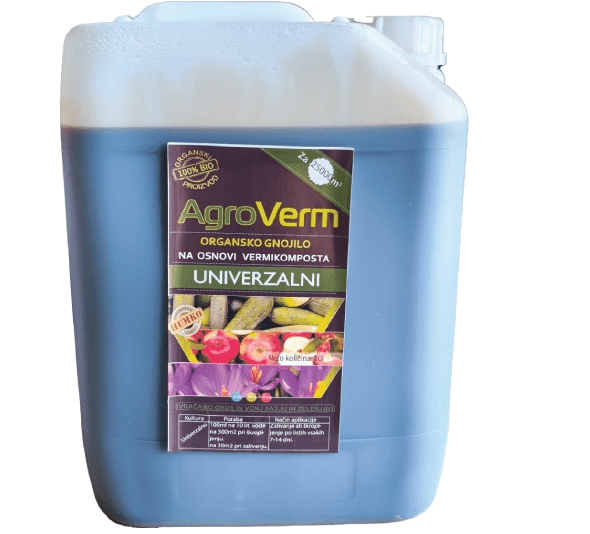
Regulatory bodies worldwide increasingly scrutinize fertilizer labels to ensure accurate representation of active ingredients. HUMKO, d.o.o., Bled, in their marketing of earthworm-derived humic products, states a commitment to transparency and verifiable analytics. The shift toward standardized testing methods protects professional users from products that promise much but deliver little.
Source Material Quality Drives Performance Differences
1. Vermicompost vs. Leonardite: Distinct Molecular Characteristics and Performance
The source material fundamentally determines a liquid humic product's effectiveness. Vermicompost-derived humic acids possess a distinct molecular structure, characterized by higher aliphatic content, which is associated with greater bioactivity compared to the more aromatic and condensed structure of traditional leonardite extractions. Earthworm processing creates humic compounds with high aliphatic content and rich functional groups, such as carboxyl and hydroxyl groups, which contribute to their beneficial properties in soil.
Vermicompost humic acids are recognized for their bioactivity and beneficial effects on plant growth, while leonardite products also enhance nutrient availability and plant development, often through chelation and long-lasting soil improvement. This biological processing advantage explains why vermicompost-based products frequently outperform higher-percentage leonardite concentrates in practical applications, despite potentially lower numerical humic content on labels.
2. H/C Ratio: Correlating Molecular Structure with Bioactivity Potential
The hydrogen-to-carbon (H/C) atomic ratio serves as a critical indicator of humic acid bioactivity. Vermicompost-derived humic acids typically exhibit characteristics indicating high aliphatic chain presence and lower aromatization—features associated with greater biological activity. The presence of abundant oxygen functional groups in vermicompost-derived humic acids is essential for nutrient chelation and plant signaling.
This molecular profile contrasts sharply with heavily processed or aged humic sources that display higher aromatization and reduced functional group density. Professional users monitoring plant response often observe faster root development and improved nutrient uptake when using products with favorable H/C ratios, regardless of total humic percentage claims.
3. Professional-Grade Extraction Methods
Extraction methodology significantly impacts final product quality and consistency. Controlled vermiculture operations produce humic acids through biological processing rather than harsh chemical extraction. This gentler approach helps preserve delicate molecular structures and beneficial organic compounds, which can be degraded by harsh chemical extraction methods.
Professional-grade extraction maintains the living character of humic substances, retaining beneficial enzymes and microorganisms that contribute to soil health beyond simple nutrient provision. This biological complexity explains why some "lower-analysis" vermicompost products often outperform numerically superior leonardite concentrates in field trials.
Critical Lab Specifications Every Professional Should Verify
1. Quantified Humic and Fulvic Content Requirements
Quality liquid humic products display specific percentages rather than vague "contains humic acids" language. Standard concentrations for general-purpose applications typically range from 7-10% humic acid with 1-6% fulvic acid. Concentrate-tier products may reach 12-15% humic content, offering greater value for large-scale operations despite higher upfront costs.
The test method matters as much as the numbers. Products tested via HPTA, GB/T 33804-2017, or equivalent standardized methods provide reliable baselines for comparison. Avoid products listing only "humic substances" without differentiation between humic and fulvic fractions, as this often indicates lower-quality manufacturing or extraction processes.
2. Third-Party COA Documentation Standards
Certificate of Analysis (COA) documents should specify the testing laboratory, the methodology used, and complete nutrient profiles, including trace elements. Professional-grade products provide batch-specific COAs rather than generic specifications that may not reflect actual product composition. Look for documentation of inherited solids content, as high solid percentages can indicate incomplete extraction or diluted formulations.
Independent laboratory verification adds credibility to manufacturer claims. COAs should include testing dates within reasonable timeframes—typically within 12 months for liquid products—to ensure data relevance to current inventory batches.
3. Heavy Metal Testing Protocols
Heavy metal testing protocols vary significantly between manufacturers, with some providing thorough screening while others test only for lead and cadmium. Complete heavy metal panels should include testing for common contaminants such as arsenic, cadmium, lead, and mercury to meet organic certification requirements and protect end-user safety.
Acceptable limits vary by intended use and regulatory framework. EU organic regulations maintain stringent heavy metal thresholds, making thorough testing essential for professional operations serving organic markets or sensitive crops like leafy greens and herbs.
pH Compatibility Issues That Destroy Tank Mixes
1. Acidic Product Precipitation Problems
Many liquid humic products, often formulated as potassium humate, maintain alkaline pH levels (typically 9-11) for stability and shelf life, creating compatibility challenges when mixed with acidic fertilizers or micronutrient solutions. Alkaline humic products can precipitate calcium, magnesium, and phosphorus when combined with acidic solutions, creating sediment that clogs injection systems and reduces nutrient availability.
pH-related precipitation problems intensify in hard water conditions where high calcium and magnesium concentrations exacerbate mineral interactions. Professional applicators in regions with alkaline irrigation water face particular challenges when combining humic products with acidic micronutrient packages or plant protection products.
2. Jar Testing Before Large-Scale Application
Jar testing prevents costly tank mix failures and equipment damage. Mix small quantities of proposed combinations in clear containers, allowing 30 minutes for potential reactions to develop. Observable precipitation, color changes, or gel formation indicate incompatibility requiring either product substitution or sequential application timing.
Sequential application—applying humic products separately from other inputs—often provides superior results compared to tank mixing, particularly for foliar applications where product interactions can reduce efficacy or cause phytotoxicity. Professional operations frequently schedule humic applications 24-48 hours before or after primary fertilizer programs to maximize effectiveness.
2026 EU Organic Regulation Revisions: Equivalency Deadline Postponement and Compliance Changes
The European Union's organic farming regulations governing humic substances face significant updates in 2026, including postponed equivalency deadlines that affect product approval timelines. EU Regulation 2018/848 continues to govern humic substance use in organic agriculture, but implementation delays have created uncertainty for professional operations planning product transitions.
Equivalency deadline postponements affect third-country product approvals, potentially limiting access to certain humic products from non-EU manufacturers. Professional operations should verify current certification status with suppliers and maintain backup product sources to ensure continuity during regulatory transitions. The evolving regulatory landscape favors producers with established EU manufacturing bases and organic certification history.
Compliance changes emphasize traceability and documentation requirements, making COA verification and supplier certification more critical for professional users. Operations serving organic markets must maintain detailed records of humic product sourcing, application rates, and batch tracking to demonstrate regulatory compliance during inspections.
Choose Products with Verified Analytics Over Marketing Claims
The difference between marketing claims and verified performance becomes apparent under professional growing conditions where consistent results matter. Products with transparent lab testing, standardized methodologies, and third-party certification deliver predictable outcomes that support reliable crop planning and client expectations.
Verified analytics provide cost-per-unit-of-humic calculations that reveal true product value beyond initial purchase price. A 15% humic concentrate may cost more upfront than a 7% product, but delivers superior value when calculated on an active ingredient basis. Professional buyers increasingly evaluate products based on verified content rather than promotional pricing or marketing narratives.
The shift toward analytical verification reflects industry maturation, where professional users demand scientific substantiation rather than testimonial-based marketing. Products that survive this analytical scrutiny typically demonstrate superior field performance and justify premium pricing through consistent, measurable results in professional applications.
For professional-grade plant nutrition solutions backed by rigorous quality controls and transparent analytics, view the earthworm-derived humic products available at HUMKO, d.o.o., Bled.

The Humko Plant Health Expert Team is a group of horticultural scientists, soil biologists, and professional gardeners based in Bled, Slovenia. With roots going back to 1985, our team brings together nearly four decades of hands-on research in mycorrhizal biology, humic acid chemistry, substrate science, and professional plant nutrition.
We've worked on over 1,000 projects — from Dutch-style commercial greenhouses and golf courses to vertical green walls, ornamental gardens, and urban rooftop installations. Our formulas have been field-tested in the most demanding growing environments on earth before we ever offered them to home gardeners.
Everything we publish is grounded in real science and real growing experience. We don't repeat what's already on the bag — we explain why plants behave the way they do, and what actually makes a difference in the soil. Our goal is simple: help you grow plants that don't just survive, but thrive — with less guessing and less anxiety.
Based in Slovenia | EU-certified products | 40 years of professional horticulture