
30-Day Garden Setup: Week-by-Week Physical Plan for Low-Maintenance Yards
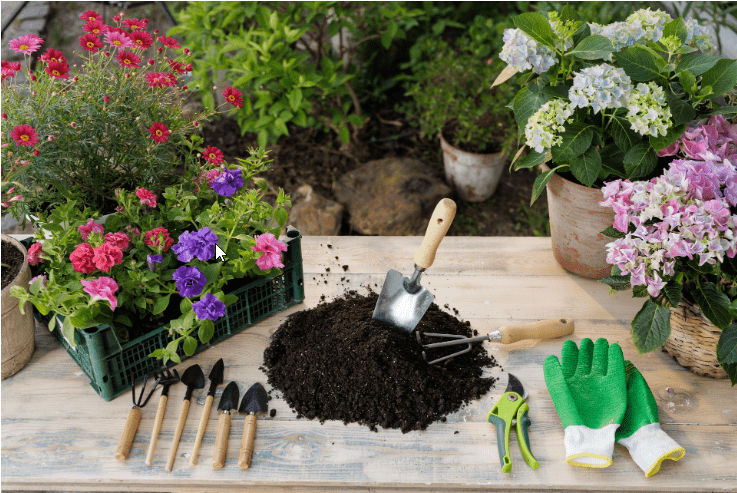
Most garden failures happen within two years—but not because of poor maintenance. The real culprit lies in what happens during the first 30 days of setup. Learn which three underground factors determine whether your garden will thrive or become a constant time drain.
Key Takeaways
- A structured 30-day approach can transform any yard into a low-maintenance garden by focusing on smart design, infrastructure, and automation systems in the first month.
- Strategic soil preparation with professional-grade amendments and mycorrhizal networks creates a foundation that reduces watering needs by up to 50% long-term.
- Combining native plant selection with automated irrigation systems significantly reduces daily garden tasks while ensuring plants thrive for years.
- Most garden failures stem from poor initial setup rather than ongoing maintenance issues—investing time upfront prevents costly plant replacements.
Creating a sustainable, low-maintenance garden doesn't require years of trial and error. With the right systematic approach, busy homeowners can establish a thriving outdoor space in just one month, then enjoy minimal upkeep for years to come. This proven framework has helped thousands of European gardeners achieve professional results without becoming full-time horticulturists.
Why Most Garden Setups Fail Within Two Years
Garden failures rarely happen overnight. Instead, they follow a predictable pattern that begins with enthusiastic planting and ends with brown, struggling plants by the second season. The primary culprit isn't lack of care—it's inadequate foundation work during the critical setup phase.
Most homeowners focus on the visible elements: selecting attractive plants, arranging them aesthetically, and ensuring adequate watering during the first few weeks. However, they overlook the underground infrastructure that determines long-term success. Poor soil structure, inadequate drainage, mismatched plant-to-site conditions, and lack of automated systems create a maintenance burden that becomes overwhelming within 18-24 months.
According to HUMKO's four decades of experience in professional horticulture, successful low-maintenance gardens share three critical characteristics: superior soil biology, strategic water management, and plant selections matched to local microclimates. Gardens lacking these foundational elements require constant intervention to survive, eventually leading to plant loss and homeowner frustration.
The solution lies in front-loading the work during a focused 30-day setup period. This approach mirrors how professional landscapers establish commercial installations that must thrive with minimal ongoing maintenance. By investing concentrated effort in infrastructure, soil biology, and automation systems during the initial month, homeowners create a self-sustaining ecosystem that requires only weekly check-ins rather than daily attention.
Week 1: Strategic Site Assessment and Design Framework
1. Map Microclimates and Water Flow Patterns
Every garden contains multiple microclimates that dramatically affect plant survival and maintenance requirements. Spend the first three days observing your space at different times, noting where the morning sun hits, which areas stay shaded, and how water moves during rain. These patterns dictate where different plant types will thrive with minimal intervention.
Document wind patterns, especially winter winds that can desiccate evergreen hedges and container plants. Mark areas that stay consistently moist versus those that dry quickly after watering. This mapping exercise prevents the common mistake of placing water-loving plants in drought-prone spots, which creates ongoing maintenance headaches and plant stress.
2. Eliminate High-Maintenance Problem Areas
Identify and eliminate the garden's biggest time-wasters during this first week. Narrow lawn strips that require tedious edge trimming, awkward corners where the mower barely fits, and shaded areas where grass struggles to grow all create weekly maintenance burdens without adding functional value.
Replace these problematic zones with hard landscaping or low-maintenance alternatives. Wide gravel paths, mulched planting beds, and groundcover installations require initial investment but eliminate ongoing mowing, edging, and replanting cycles. This single decision can reduce weekly garden maintenance by 30-40%.
3. Create Functional Zones That Minimize Daily Tasks
Organize your garden into clear functional zones: high-traffic pathways, seating areas, productive beds, and ornamental borders. Each zone should have a distinct maintenance strategy and plant palette. This organization allows you to concentrate resources where they'll have maximum impact while minimizing scattered plantings that require individual attention.
Design pathways wide enough for wheelbarrows and maintenance equipment. Position seating areas to overlook the garden's most attractive features while providing easy access for the brief weekly maintenance tasks. Group plants with similar water and nutrient requirements together, enabling efficient care routines and automated irrigation coverage.
Week 2: Infrastructure That Reduces Future Workload
1. Install Raised Beds and Hardscaping Elements
Raised beds represent one of the most effective maintenance-reduction strategies available to home gardeners. Elevating growing areas 30-45 centimeters above ground level improves drainage, soil warming, and accessibility while containing soil amendments and mulch materials more effectively than ground-level beds.
Choose durable materials like cedar boards, composite lumber, or steel edging that won't require replacement within 5-7 years. Size beds no wider than 1.2 meters to allow comfortable reach from both sides without stepping on soil. This accessibility prevents soil compaction while making planting, weeding, and harvesting more efficient.
Install permanent pathways between beds using materials that suppress weeds while providing a stable footing in all weather conditions. Decomposed granite, gravel, or rubber mulch paths eliminate muddy walking surfaces and clearly define growing areas versus access routes.
2. Establish Clear Pathways and Access Routes
Well-designed pathways reduce maintenance time while protecting planted areas from compaction damage. Create main circulation routes at least 90 centimeters wide to accommodate wheelbarrows, maintenance equipment, and comfortable two-person walking.
Edge all pathways with permanent materials like metal strips, brick soldiers, or buried boards to prevent gravel migration and maintain clean lines with minimal maintenance. Properly edged paths stay defined for years without requiring frequent re-establishment, unlike informal paths that gradually disappear into surrounding plantings.
3. Prepare Soil Foundation with Professional-Grade Amendments
Soil preparation determines plant performance for the entire garden's lifespan. Rather than working with existing poor soil, create a superior growing medium using professional-grade organic amendments that improve structure, water retention, and biological activity simultaneously.
Incorporate mycorrhizal fungi inoculants during soil preparation to establish beneficial root symbioses from day one. These microscopic partners can extend the effective root surface area by up to 50 to 1,000 times, dramatically improving drought tolerance and nutrient uptake efficiency. Plants with established mycorrhizal networks require less supplemental watering and fertilization throughout their lives.
Add water-retention technologies like hydrogel crystals that absorb hundreds of times their weight in moisture, creating soil reservoirs that release water gradually as conditions dry. This technology, used in various agricultural and horticultural settings including greenhouses, was originally developed for cultivation in extreme conditions such as sandy soil and on slopes, and reduces irrigation frequency by up to 50% while preventing the boom-bust water cycles that stress plants and encourage pest problems.
Week 3: Plant Selection and Soil Biology Enhancement
1. Choose Native and Drought-Tolerant Species That Require Less Intervention
Native plants represent the ultimate low-maintenance choice because they're genetically adapted to local climate conditions, soil types, and natural precipitation patterns. However, "native" doesn't automatically mean "maintenance-free"—choose species appropriate to your specific site conditions rather than simply selecting any indigenous plant.
Prioritize plants with demonstrated drought tolerance once established, even if they require regular watering during their first growing season. Mediterranean herbs like rosemary, thyme, and oregano; ornamental grasses like fountain grass and feather reed grass; and flowering perennials like black-eyed Susan and purple coneflower typically thrive with minimal supplemental irrigation after their second year.
Avoid plants described as requiring "constant moisture," "perfect drainage," or "frequent feeding" unless you're prepared to provide ongoing intensive care. These high-maintenance species may look attractive initially, but create perpetual management obligations that defeat the low-maintenance objective.
2. Group Plants by Water and Maintenance Requirements
Hydrozoning—grouping plants with similar water requirements—enables efficient irrigation while preventing overwatering drought-tolerant species or underwatering moisture-loving plants. Create distinct zones for high-water vegetables and annuals, moderate-water perennials and shrubs, and low-water drought-tolerant plantings.
This organization allows you to install different irrigation methods for each zone: drip lines for vegetable beds, soaker hoses for perennial borders, and minimal or no supplemental water for drought-adapted areas. The result is more efficient water usage and healthier plants that aren't stressed by inappropriate moisture levels.
3. Integrate Mycorrhizal Networks and Long-Term Nutrition Systems
Establish soil biology that continues working long after planting by inoculating root zones with beneficial mycorrhizal fungi and installing controlled-release nutrition systems. These biological partnerships and slow-release technologies reduce ongoing fertilization requirements while improving plant resilience.
Apply mycorrhizal inoculants directly to root balls during planting, ensuring intimate contact between fungi and feeder roots. These symbiotic relationships take 4-6 weeks to establish but continue benefiting plants for their entire lifespan, essentially creating an underground nutrient-gathering network that functions independently of human intervention.
Install controlled-release fertilizer systems that provide consistent nutrition for 6-12 months without requiring reapplication. Professional-grade slow-release formulations prevent the feast-or-famine nutrition cycles created by quick-release fertilizers, resulting in steady growth without excessive flushes that attract pests and require additional pruning.
Week 4: Automation Systems and Water Management
1. Install Smart Irrigation with Drip Lines and Timers
Automated irrigation represents the single most effective upgrade for reducing garden maintenance while improving plant health. Modern battery-powered timers connected to simple drip line systems eliminate daily watering decisions while delivering precise moisture amounts directly to root zones.
Install separate irrigation zones for different plant groups: frequent watering for vegetables and containers, moderate watering for perennials and new plantings, and minimal watering for established drought-tolerant areas. This zoned approach prevents water waste while ensuring each plant receives appropriate moisture levels automatically.
Program timers for deep, less frequent watering sessions rather than daily light applications. Most established plants benefit from 2-3 thorough watering sessions per week rather than daily surface moistening, which encourages shallow root development and increased maintenance dependencies.
2. Apply Strategic Mulching and Water Retention Technology
Organic mulch functions as the garden's insurance policy, suppressing weeds, conserving soil moisture, moderating temperature extremes, and gradually improving soil structure as it decomposes. Apply 5-8 centimeters of quality organic mulch around all plantings, leaving small gaps around plant stems to prevent moisture-related disease problems.
Choose mulch materials appropriate to each garden zone: shredded hardwood bark for perennial beds, straw for vegetable gardens, and decorative stone mulch for drought-tolerant areas. Each material provides specific benefits while requiring different replacement schedules, typically ranging from annual renewal for straw to biennial refreshing for bark mulches.
Incorporate water-retention gels into container plantings and newly planted trees or shrubs where automated irrigation isn't practical. These crystalline polymers absorb excess water during irrigation or rainfall, then release moisture gradually as soil conditions dry, extending the time between watering sessions while preventing drought stress.
Low-Effort Weekly Maintenance Protocol
1. Essential Weekly Checks and Quick Interventions
Effective low-maintenance gardening requires consistent but brief weekly attention rather than sporadic intensive sessions. Establish a 15-20 minute weekly routine that addresses small problems before they become major issues requiring extensive intervention.
Walk the same route each week, checking irrigation system function, noting any plant stress signals, and removing obvious weeds while they're still small. Pull or cut weeds when the soil is moist from recent irrigation, making removal effortless compared to dealing with established weeds during dry periods.
Deadhead spent flowers on key ornamental plants to extend blooming periods and prevent unwanted self-seeding. Focus this effort on high-impact locations visible from seating areas and main pathways rather than attempting to deadhead every plant in the garden.
2. Seasonal Adjustments That Keep Systems Running
Adjust automated irrigation schedules seasonally to match changing plant needs and weather patterns. Spring and fall typically require less frequent watering than mid-summer, while winter may require shutting off automated systems entirely in frost-prone climates.
Refresh mulch layers annually or biannually, adding material where decomposition has thinned coverage below effective levels. This preventive maintenance prevents weed establishment and moisture loss that would require significantly more effort to address after problems develop.
Conduct quarterly system maintenance checks: cleaning drip emitters, testing timer batteries, and inspecting irrigation lines for damage. These brief preventive measures prevent system failures that could result in plant loss and extensive replacement costs.
Your Garden Will Be Sustainable for Years with Reduced Effort
The 30-day intensive setup approach creates compound benefits that increase over time. Well-established mycorrhizal networks become more effective as they mature, automated systems require less frequent attention as you fine-tune schedules, and carefully chosen plants become increasingly drought-tolerant and self-sufficient with each passing season.
Plants installed using this systematic approach typically show improved performance in their second year as root systems establish, soil biology develops, and automated systems provide consistent care without human intervention. The initial time investment pays dividends for years, transforming garden maintenance from a demanding weekly obligation into brief, enjoyable check-ins with a thriving ecosystem.
Most importantly, this approach eliminates the anxiety and frustration that drives many homeowners to abandon their gardens or resort to high-maintenance solutions that create ongoing burdens. Instead, you'll develop confidence in your garden's self-sufficiency while retaining the flexibility to make changes and improvements as your interests evolve.
For professional-grade soil amendments and plant nutrition technologies that support long-term garden sustainability, visit HUMKO, where four decades of horticultural expertise have developed solutions for creating thriving, low-maintenance gardens across Europe.
